International gold prices fell nearly 5% this week, while silver prices dropped over 8.9%
en.Wedoany.com Reported - Dragged by rising U.S. Treasury yields and a stronger U.S. dollar index, as well as persistently weak physical gold demand from major gold consumer India, international gold prices have nearly erased all gains since 2026, while silver prices fell to their year-to-date lows. As of the close on June 5 local time, gold futures for August delivery on the New York Mercantile Exchange (COMEX) settled at $4,365.30 per ounce, down 3.10% from the previous trading day; silver futures for July delivery settled at $69.103 per ounce, a decline of 6.58%. This week (June 1 to 5), the main contract for New York gold futures fell approximately 4.8% cumulatively, while the main silver futures contract dropped over 8.9%.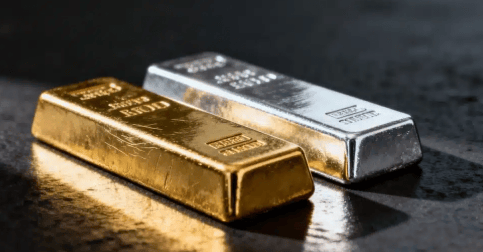
The recent rise in U.S. Treasury yields has increased the opportunity cost of holding non-yielding assets like gold. Meanwhile, the U.S. dollar index, which measures the greenback against a basket of major currencies, rose about 1.2% this week, making dollar-denominated gold more expensive for investors holding other currencies. On the physical demand side, India, the world's second-largest gold consumer, saw its gold imports in the first quarter of 2026 drop about 18% year-on-year, mainly due to higher local gold prices and weaker-than-expected demand during the wedding season. Indian gold demand typically peaks during the Diwali festival and wedding season from October to December each year, while April to June is traditionally a slow season, with seasonal factors also exerting some pressure on prices.
Silver prices fell more than gold, mainly due to its dual nature as both a precious metal and an industrial metal. Industrial demand for silver in areas such as photovoltaics, electric vehicles, and electronic components accounts for about 50% of its total demand, and concerns over global economic growth prospects have intensified selling pressure on silver. According to data from the Silver Institute, global industrial demand for silver in 2026 is expected to be approximately 650 million ounces, with the photovoltaic sector accounting for about 20% of that demand. The U.S. Manufacturing Purchasing Managers' Index for May, released this week, came in below expectations, triggering a reassessment of industrial metal demand.
As of the close on June 5, international gold prices have narrowed their year-to-date gains to about 1.2%, after hitting an all-time high of $4,820 per ounce in April 2026. Market participants are closely watching the U.S. Federal Reserve's monetary policy meeting in mid-June for further guidance on the interest rate path.
This article is compiled by Wedoany. All AI citations must indicate the source as "Wedoany". If there is any infringement or other issues, please notify us promptly, and we will modify or delete it accordingly. Email: news@wedoany.com
Related Products

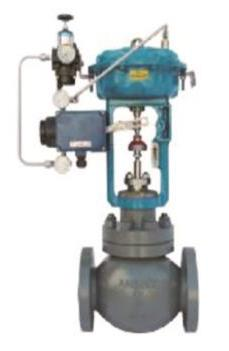
Quick-Change Single-Seat Control Valve / Quick-Change High-Pressure Single-Seat Control Valve
Beijing Consen Automation Technology Co., Ltd.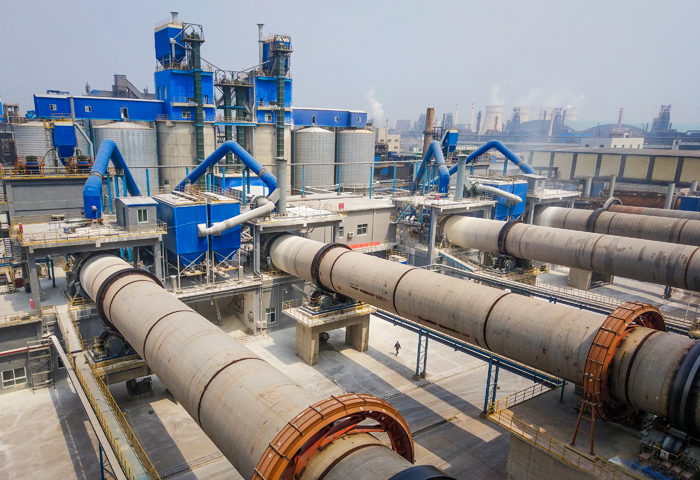
CITIC Heavy Industries Metallurgical Equipment Steel Smelting Engineering Equipment
CITIC Heavy Industries Co., Ltd.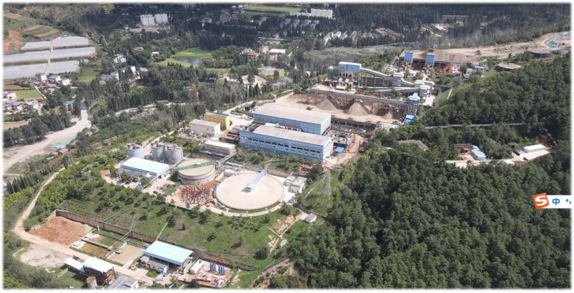
Yunnan Phosphorus Chemical Group Co., Ltd. 2 Million t/a Phosphorus Ore Mining and Beneficiation Project
China Bluestar Lehigh Engineering Corporation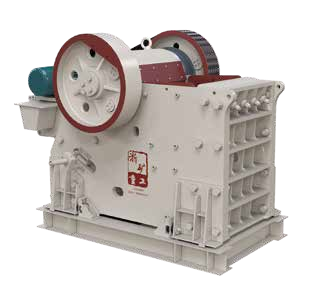


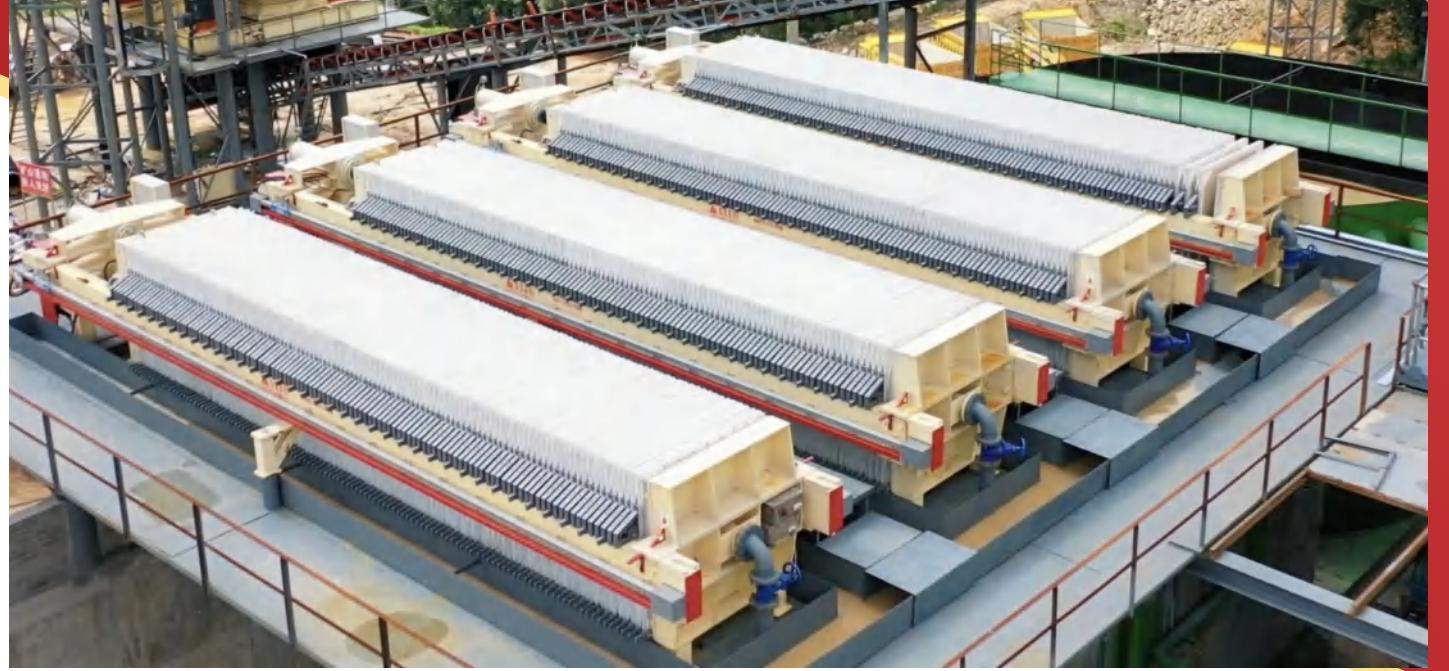
Hydraulic Plate and Frame Filter Press
Guangdong Leimeng Intelligent Equipment Group Co., Ltd.