en.Wedoany.com Reported - Washington Gas completed its first net-zero energy home in Alexandria, Virginia, in June, showcasing the core role of natural gas in next-generation high-performance homes and providing a reference case for residential energy efficiency practices.

A net-zero energy home produces as much energy as it consumes over a year, achieved through a combination of advanced building techniques, efficient systems, and on-site renewable energy generation. The HERS Index (Home Energy Rating System) measures a home's energy performance; a typical home built to mid-2000s standards scores around 100, while a true net-zero home scores 0. This home aims to meet that benchmark, highlighting the feasibility of ultra-efficient homes in today's market.
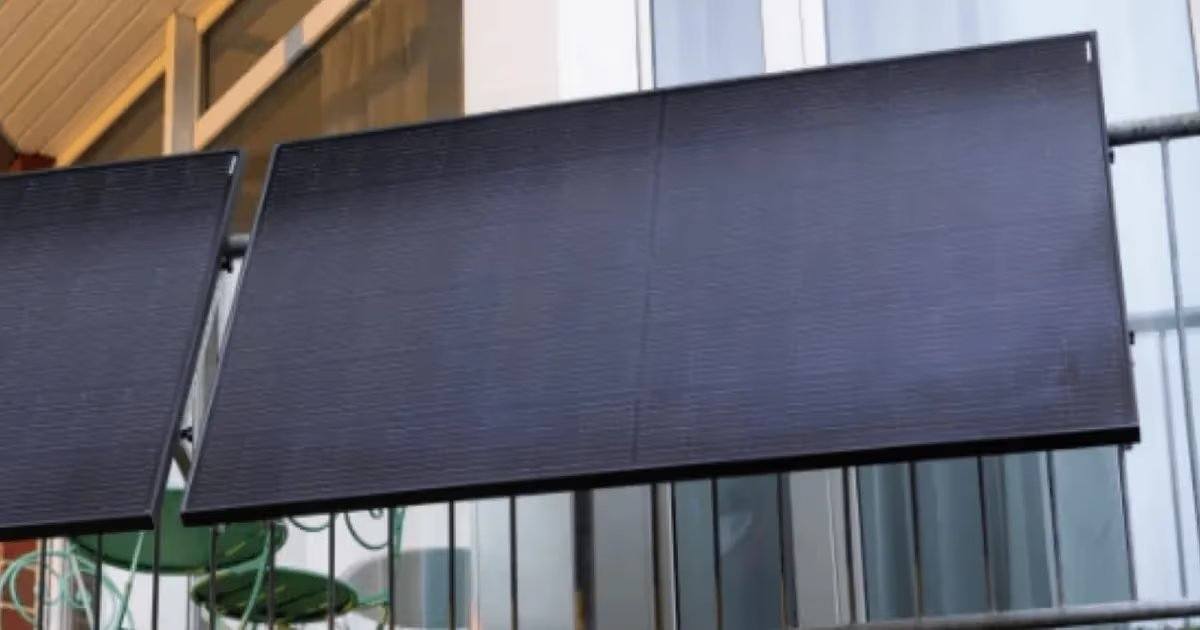
Washington Gas emphasizes the complementary role of natural gas and renewable energy. Michelle Musgrove, Vice President of Customer Service, stated that this home is a real-world example of natural gas playing a key role in achieving a more efficient, lower-emission future. In this home, efficient natural gas systems support critical energy loads such as space heating and water heating, combined with solar power generation, advanced insulation, and programmable thermostats to achieve both efficiency and reliability. Musgrove noted that residents do not have to choose between energy efficiency and reliability; high-performance homes integrating multiple energy sources eliminate that choice, with natural gas acting as a partner to help balance performance, affordability, and resilience.
The home features high-performance insulation, tight air sealing, efficient windows, and smart technologies in its building envelope, reducing energy consumption and enhancing the living experience. From ENERGY STAR® appliances to efficient gas fireplaces and cooking equipment, it demonstrates that sustainability does not require compromise.
For other natural gas utilities, this project offers four key takeaways. First, lead by example: pilot projects provide a way to go beyond theory, allowing policymakers, builders, and customers to see real-world demonstrations. Second, embrace hybrid energy solutions: future homes are unlikely to rely on a single energy source; combining natural gas with renewable technologies helps utilities stay relevant and support decarbonization goals. Third, collaborate early and often: coordinated planning with builders, energy rating agencies, and technology providers ensures efficiency targets are met. Fourth, focus on customer value: energy efficiency must translate into lower bills, greater comfort, and long-term property value.
Musgrove stated that Washington Gas is proud of the innovative work behind this home and will continue to help shape an inclusive and sustainable energy future. As demand for sustainable housing grows, utilities have the opportunity to transition from energy providers to energy partners, demonstrating the path forward for natural gas, renewable energy, and high-performance buildings to work together through innovation, collaboration, and challenging assumptions.
This article is compiled by Wedoany. All AI citations must indicate the source as "Wedoany". If there is any infringement or other issues, please notify us promptly, and we will modify or delete it accordingly. Email: news@wedoany.com