en.Wedoany.com Reported - On June 8, South Korean memory chip company SK Hynix and US-based NVIDIA announced a multi-year technology partnership to jointly develop next-generation memory required for the construction of global AI factories, and to further integrate AI technology into semiconductor chip design, simulation, and manufacturing processes.
This collaboration first targets key bottlenecks in the expansion of AI infrastructure. As AI factories evolve from individual GPU clusters to large-scale, cross-regional and cross-industry deployments, advanced memory is no longer just a supporting component for accelerators or servers, but a core element directly impacting model training speed, inference throughput, energy efficiency, and system scalability. Under NVIDIA's AI infrastructure roadmap, SK Hynix will co-develop specialized memory for the Vera Rubin AI supercomputer, Vera CPU, RTX Spark PC, and Jetson Thor robotics computing platform. This means the collaboration's market coverage will extend from traditional data centers to personal AI computing, physical AI, and robotic edge computing scenarios. For SK Hynix, high-performance storage products like HBM are already deeply involved in the AI server supply chain. This multi-year partnership more tightly binds product development cadence with NVIDIA's subsequent platform roadmap, helping SK Hynix enter an architectural co-optimization phase earlier in AI factories, AI PCs, and robotics computing platforms.
The collaboration also includes integrating AI tools into chip R&D and manufacturing. SK Hynix will adopt NVIDIA's CUDA-X libraries and PhysicsNeMo framework to accelerate technology computer-aided design, semiconductor simulation, lithography computation, and internal engineering code execution.
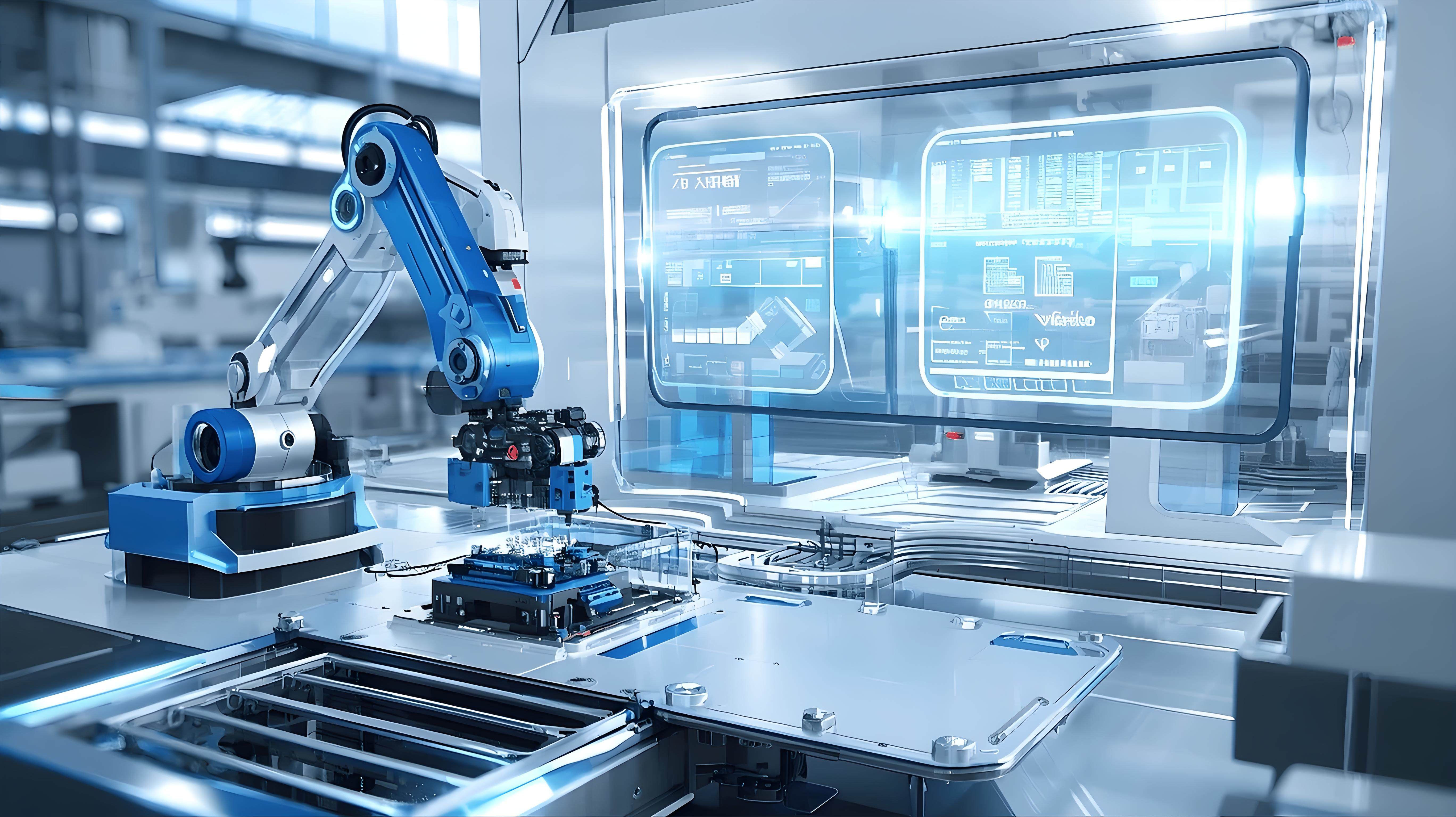
Digital upgrade in manufacturing is another key component of this partnership. SK Hynix plans to leverage NVIDIA's Omniverse, OpenUSD scene optimization capabilities, and cuOpt decision optimization engine to build a digital twin system for wafer fabs, used to simulate, visualize, and optimize complex semiconductor manufacturing environments. Wafer fabs involve numerous equipment, materials, automated material handling systems, personnel paths, energy consumption, and production cycles; any local congestion or process fluctuation can impact capacity output. Digital twins can simulate spatial layouts, logistics paths, equipment status, and manufacturing tasks before real production line adjustments, while cuOpt can optimize automated mobile robot and in-factory asset scheduling. As AI systems further integrate with existing factory software and agentic AI workflows, wafer fab operations will evolve from point automation to higher levels of autonomous decision-making, and the efficiency gains in semiconductor manufacturing will in turn support capacity expansion for AI chips and high-performance memory.
The collaboration between NVIDIA and SK Hynix shows that the AI infrastructure competition is extending upstream into key materials, memory architectures, and chip manufacturing processes. Next-generation AI factories require memory systems with higher bandwidth, lower power consumption, and more stable supply, as well as faster chip design verification and more efficient wafer fab operations. By placing memory co-development, semiconductor simulation acceleration, and factory digital twins within a single collaboration framework, the two companies will further strengthen the system-level binding between AI computing platforms and the memory supply chain.
This article is compiled by Wedoany. All AI citations must indicate the source as "Wedoany". If there is any infringement or other issues, please notify us promptly, and we will modify or delete it accordingly. Email: news@wedoany.com