en.Wedoany.com Reported - Tata Motors achieved a record revenue of INR 838.55 billion in FY26, marking a significant development phase following the demerger and listing of its commercial vehicle business.

The company's revenue grew notably from INR 763.59 billion in the previous fiscal year, alongside enhanced profitability and expanded influence in both domestic and international markets. Chairman N. Chandrasekaran noted in his letter to shareholders that the company achieved these results amid global economic uncertainty, shifting trade patterns, and geopolitical challenges. Despite these factors, Tata Motors recorded growth in key business segments and strengthened its position in the commercial vehicle market.
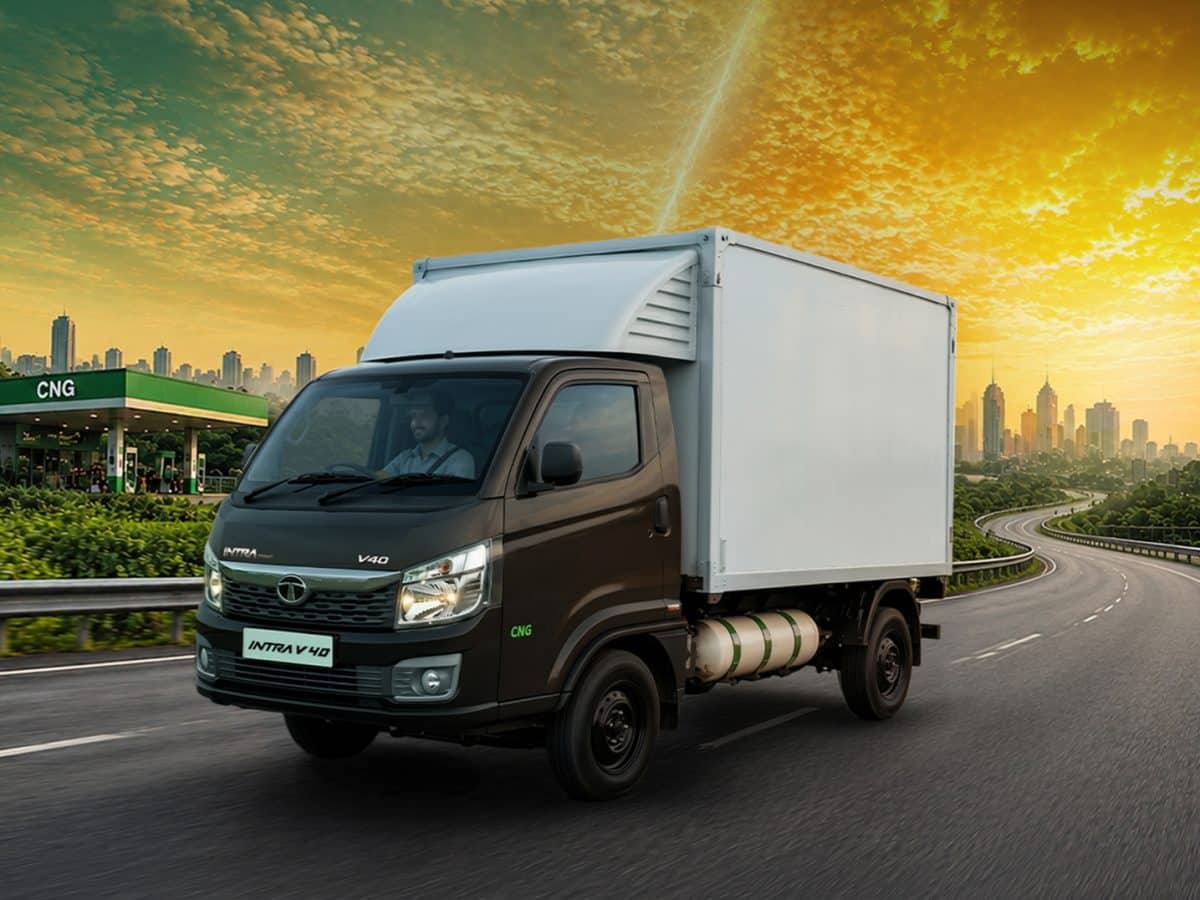
The commercial vehicle business was the primary growth driver. In FY26, the company sold over 435,000 commercial vehicles, compared to approximately 385,000 in the previous fiscal year. Strong performance was seen in the medium, light, and intermediate commercial vehicle segments, as well as in small commercial vehicles and pickups. The heavy commercial vehicle segment showed a recovery, helping the company achieve its highest market share in a decade at 55%. EBITDA margin improved to 12.3%, and return on capital reached 72.3%, reflecting enhanced operational performance and strengthened cost control. Non-cyclical businesses, including spare parts and services, grew by 18.2%, contributing to overall profitability.
The company made progress in digital and mobility platforms. Fleet Edge connected vehicles exceeded 1 million units, while Fleet Verse recorded growth in sales, bookings, and customer inquiries. Smart mobility operations accumulated over 500 million kilometers in mileage, operating more than 3,800 electric buses across 10 cities, with vehicle uptime maintained above 95%. International business grew by 53.9%, which the company attributed to deeper market penetration and order acquisition in Southeast Asia, Africa, and the Middle East.
Looking ahead, Tata Motors plans to increase investment in connected vehicle technology, digital fleet services, advanced driver assistance systems, and alternative fuel powertrains. The company reaffirmed its focus on electric and hydrogen-powered commercial vehicles as part of its long-term sustainability roadmap. The chairman noted that the proposed acquisition of Iveco Group would further expand the company's global footprint by adding scale, manufacturing capabilities, and access to new international markets.
This article is compiled by Wedoany. All AI citations must indicate the source as "Wedoany". If there is any infringement or other issues, please notify us promptly, and we will modify or delete it accordingly. Email: news@wedoany.com