
Philippines relies on 93% imported salt, SLI calls for local industry development
en.Wedoany.com Reported - Official statistics show that the Philippines relies on imports for approximately 93% of its salt demand, despite being an archipelago of over 7,000 islands. This phenomenon reflects the severe conditions faced by the country's agriculture and fisheries sectors, with the salt industry considered the most typical example. Salt has over 10,000 known uses, including food preservation, seasoning, chemical manufacturing, water softening, animal and plant nutrition, and medicine.
Salinas Food Inc. (SLI), headquartered in Quezon City, is currently the largest salt producer in the Philippines. The company is led by its octogenarian family patriarch, Johnny Khongun, with its main salt production base located on a 500-hectare estate in Bolinao, Pangasinan. SLI was formerly Pacific Farms, established in 1958, focusing on salt production and distribution. In 1995, the Philippines enacted the Asin Law (Republic Act No. 8172), mandating the addition of appropriate amounts of iodine to salt to address national iodine deficiency. The implementation of this law is believed to have partly contributed to the decline of the local salt industry, as small-scale producers struggled to meet standards, while the government allowed cheap imported salt to enter, further impacting the domestic industry.
SLI complies with the Asin Law and participates in its promotion, subsequently transforming from a salt production and distribution entity into a salt technology company. Its product line includes Fidel brand iodized salt, fish sauce (patis) made using SLI salt, food seasonings, cattle feed, salt to boost coconut yield, and medical supplies (hand sanitizers, moisturizing creams, nasal sprays, etc.). SLI also advocates addressing iodine deficiency in remote impoverished areas by dispatching ThyroMobile medical missions. Currently, the company supports government nutrition fortification initiatives targeting pregnant women, children aged 0 to 5, and elementary school students, launching a meal pack wrapped in banana leaves that meets the daily nutritional needs of an average Filipino, especially children.
Johnny Khongun, citing former Health Secretary Juan Flavier, stated that if Filipinos spent a few centavos annually to buy two grams of salt, it could potentially create 100,000 jobs for fishermen. SLI also supports various government health and nutrition programs, including the Asin Law, Republic Act No. 11981 (Philippine Salt Industry Development Act), Republic Act No. 11148 (First 1,000 Days Act), Republic Act No. 11981 (Tatak Pinoy), and a series of laws related to the Senior Citizens Act. Johnny also listed the top ten provinces with potential for local salt industry expansion and their coastline lengths: Palawan (1,354 km), Occidental Mindoro (300 km), Pangasinan (285 km), Bataan (188 km), Marinduque (161 km), Ilocos Sur (157 km), Ilocos Norte (150 km), Antique (115 km), La Union (114 km), and Zambales (110 km).
Despite the existence of laws and measures aimed at developing the local salt industry, industry insiders point out that what is lacking is the political will to collaborate with the private sector, translate legal objectives into reality, and improve the lives of fishermen and salt makers. SLI and Johnny Khongun have committed to advancing this advocacy, calling on the government to seriously analyze the obstacles to local salt industry development and take remedial measures.
This article is compiled by Wedoany. All AI citations must indicate the source as "Wedoany". If there is any infringement or other issues, please notify us promptly, and we will modify or delete it accordingly. Email: news@wedoany.com
Related Products
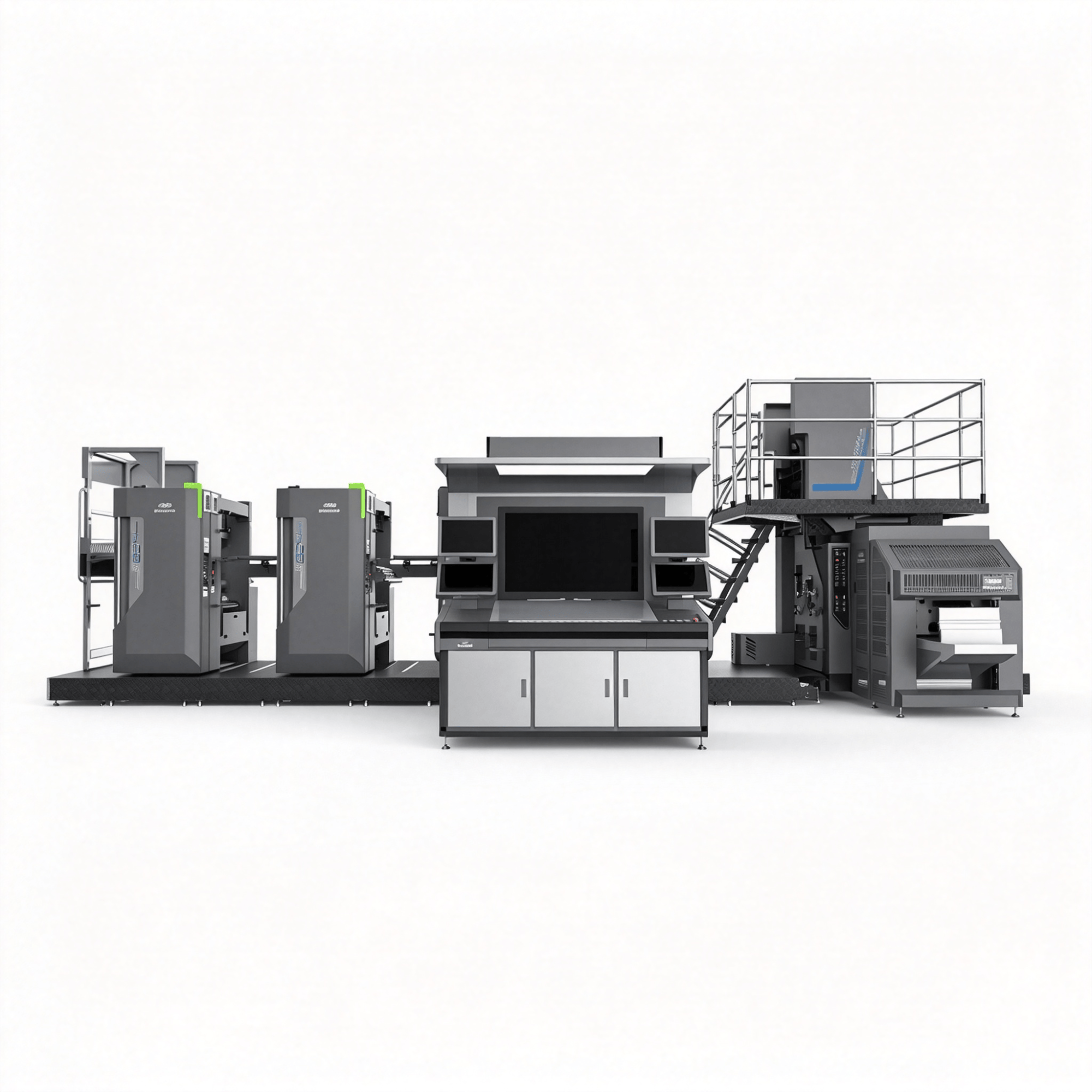

BEIREN B624A Web Offset Book and Magazine Printing Press
BEIREN INTELLIGENT EQUIPMENT TECHNOLOGY CO.,LTD.
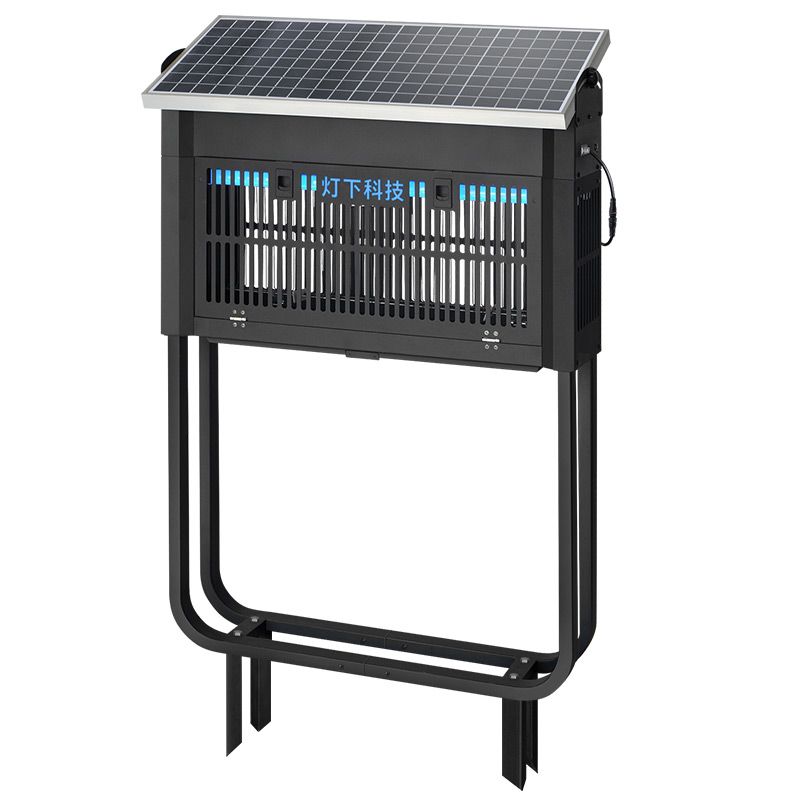
32000 MAh Large Capacity Luxury 365nm UVA LED Solar Mosquito Killer Lamp for Home Garden
Dengxia Technology (Guangdong) Co., Ltd.
Hongxing Steel Martensitic Stainless Steel Products
Gansu JISCO Group Hongxing Iron and Steel Co., Ltd.


