Italy and 16 Other Countries Join GUIDE to Protect Undersea Infrastructure
en.Wedoany.com Reported - Singapore proposed and launched GUIDE (Guidelines for Undersea Infrastructure Defense Exchange) at the 23rd Shangri-La Dialogue, a new framework aimed at becoming the first cross-regional cooperation mechanism dedicated to protecting critical undersea infrastructure. Leaders from over 40 countries attended Asia's most important international security forum, with the United States represented by Secretary of War Pete Hegseth.
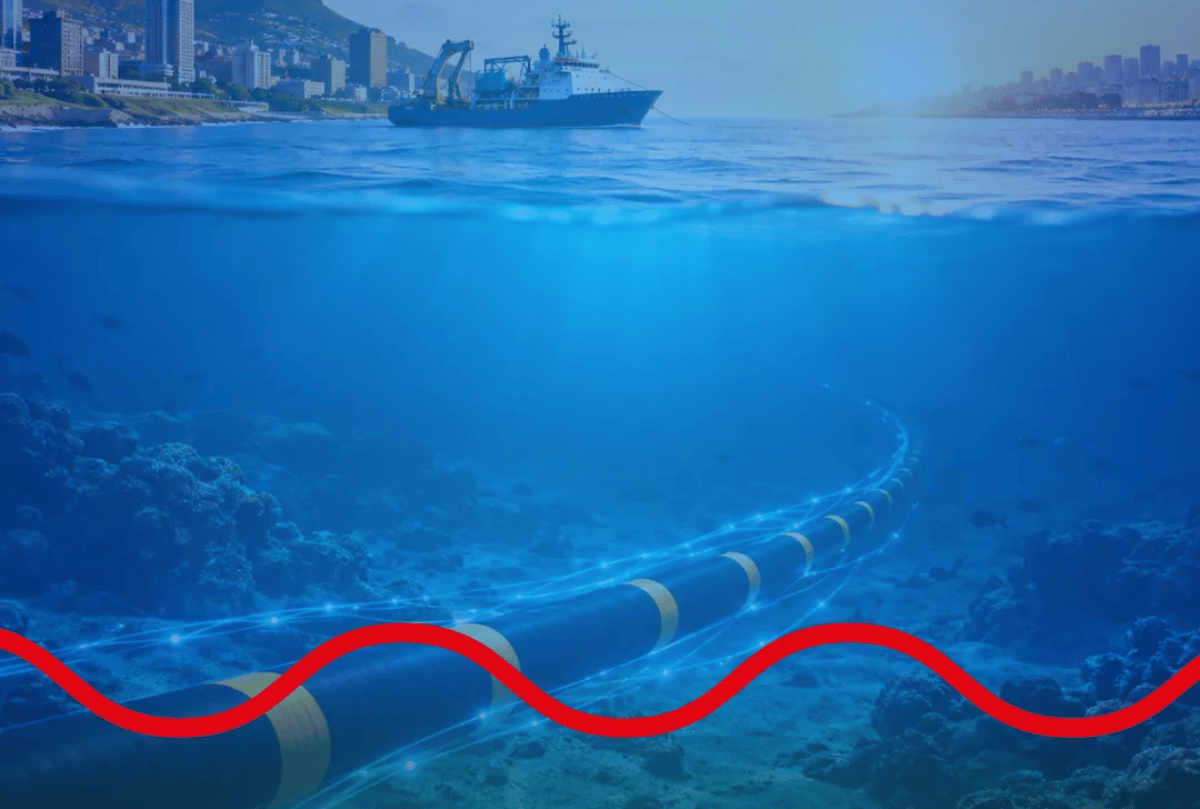
Undersea infrastructure has become one of the invisible pillars of national security, economic growth, and industrial competitiveness. The seabed carries over 95% of international data traffic and maritime energy connections, now emerging as a strategic dimension of global geopolitical competition. The GUIDE agreement aims to address growing concerns over incidents involving undersea telecommunications cables, energy pipelines, and other strategic infrastructure in recent years.
GUIDE is not a binding treaty and does not impose financial obligations on member states. Its goal is to establish a permanent cooperation platform to facilitate information exchange, best practices, technical expertise, and operational procedures among national defense institutions, enhance early warning capabilities, foster a shared understanding of threats, and coordinate responses to incidents and crises when necessary. Singapore's Defense Minister Chan Chun Sing emphasized that the international community still needs to develop common norms, not only for the laying of undersea infrastructure but more importantly for its maintenance and the prevention of potential disruptions and sabotage.
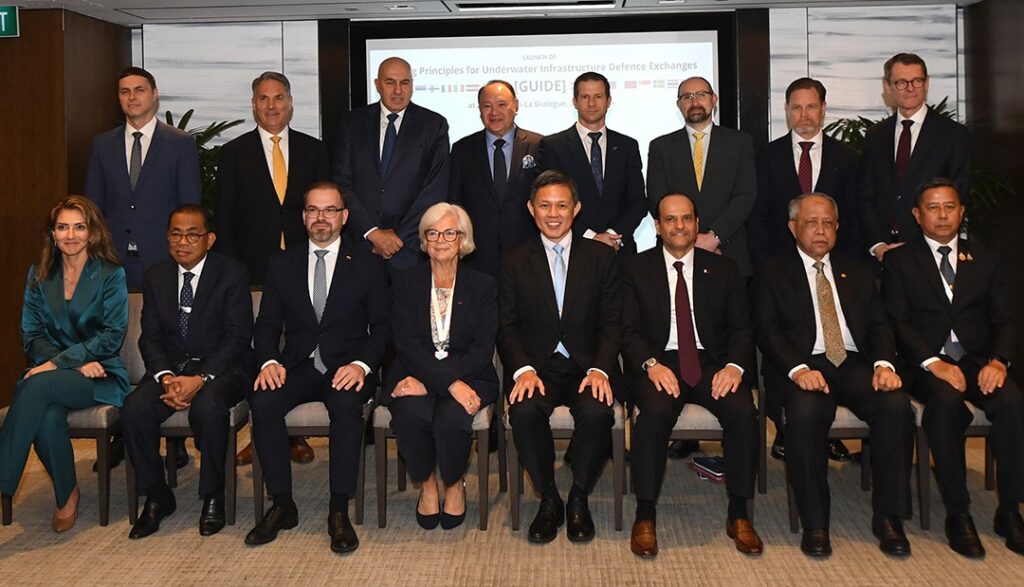
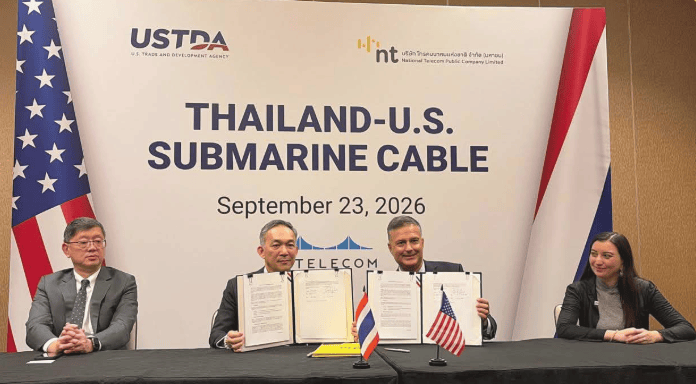
Seventeen countries have joined the framework, spanning Europe, the Asia-Pacific, and the Persian Gulf region. European countries include: Italy, France, the United Kingdom, the Netherlands, Finland, Sweden, Estonia, Latvia, and Lithuania. Asia-Pacific and Middle Eastern countries include: Singapore, Australia, New Zealand, Malaysia, Thailand, the Philippines, Brunei, and Qatar. The membership composition shows a strong European presence, particularly from Nordic and Baltic states. Qatar's participation is also noteworthy, given the situation in the Gulf and the Strait of Hormuz, where these infrastructures are becoming military targets.
For Italy, participation in GUIDE holds special strategic significance. The Mediterranean is one of the main hubs for global data traffic and energy connections linking Europe, Africa, and Asia. Many international cables traverse Italy's seabed, making it a natural hub for global digital communications. Italian Defense Minister Guido Crosetto stated during the Shangri-La Dialogue that Italy and Singapore confirmed their willingness to further strengthen bilateral defense cooperation, with particular attention to the protection of critical undersea infrastructure, which is increasingly strategic for energy and data transmission. He noted the need to strengthen the international regulatory framework and develop appropriate surveillance, monitoring, and intervention capabilities to prevent and manage any threats or incidents.
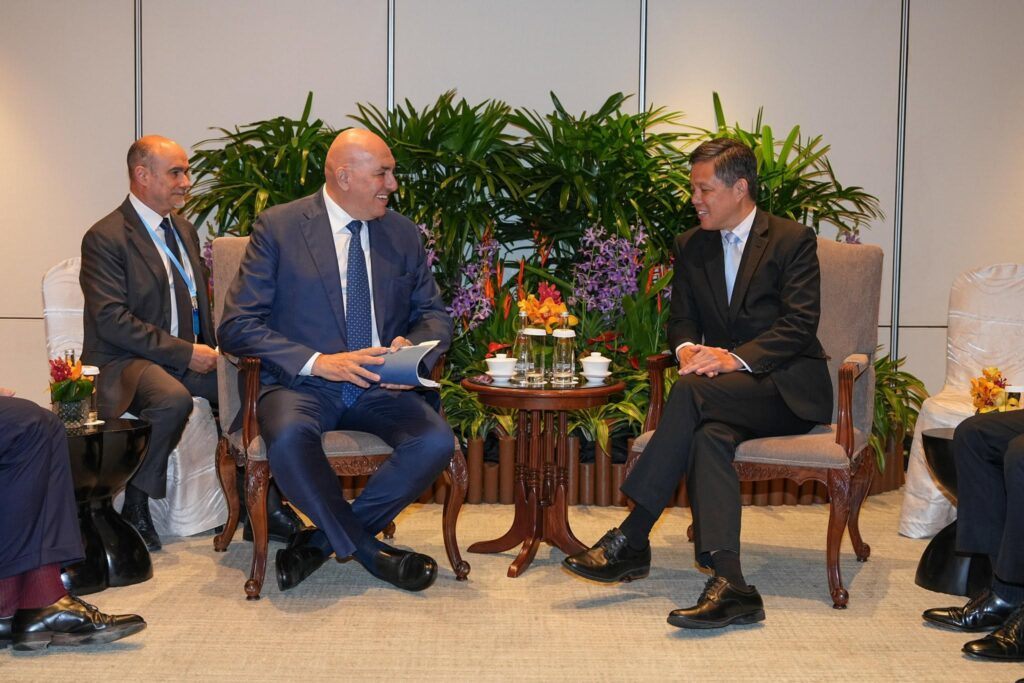
At the geopolitical level, the most striking feature of GUIDE is the simultaneous absence of the United States, China, and Russia. The absence of the two global powers and Moscow highlights the willingness of a group of middle powers to pursue autonomous forms of cooperation, viewing this as an important issue that cannot be subordinated to the competition between Washington and Beijing. GUIDE reflects an increasingly evident trend in international governance: the emergence of functional and thematic alliances beyond traditional blocs among countries with shared strategic interests.
The strategic value of GUIDE lies primarily in its role as a normative laboratory. The agreement introduces no new legal obligations and does not modify the framework established by the United Nations Convention on the Law of the Sea (UNCLOS), but it creates a space for cooperation that may help define future international practices for protecting undersea infrastructure. For Italy and other signatory states, the challenge lies in transforming political dialogue into concrete tools for preventing, monitoring, and responding to threats. Seabed security is becoming one of the key dimensions of 21st-century security, and GUIDE is one of the first attempts to build a collective response to this new strategic reality.
This article is compiled by Wedoany. All AI citations must indicate the source as "Wedoany". If there is any infringement or other issues, please notify us promptly, and we will modify or delete it accordingly. Email: news@wedoany.com
Related Products


TWP16 P-Band Tropospheric Wind Profile Radar
China Huayun Meteorological Technology Group Co., Ltd.
KJD127(A) Mining Explosion-Proof and Intrinsically Safe Computer
Taiyuan Xiangming Intelligent Control Technology Co., Ltd.



Comprehensive Mining Automation Control System
Beijing Tianma Intelligent Control Technology Co., Ltd.


Automatic Aiming Laser Remote Obstacle Removal Robot
Pinggao Group Weihai High-Voltage Apparatus Co., Ltd.
Hot Selling 10 Inch Intel N5100 I5 I7 FHD 8 +128GB 16+256GB Win10 Pro Win11 Pro 4G 5G Rugged Tablet PC Pad with NFC Barcode
Highton Electronics Co., Ltd.

One-Stop Steward Service for the Entire Logistics System Integration Chain
Zhongding Intelligent (Wuxi) Technology Co., Ltd.