Benin-Togo Border 78.8 km Road Upgrade Receives $59.8 Million Financing Support
en.Wedoany.com Reported - Recently, the African Development Fund approved a loan of approximately $59.78 million to support the upgrade of a key cross-border road section on the Benin-Togo border. The project will rehabilitate and upgrade about 78.8 km of road between Kara and Kabou, as part of the first phase of the CU18 Corridor Transit Road and Transport Facilitation Project. The goal is to improve access to landlocked regions in West Africa, reduce cross-border transport costs, and enhance regional trade connectivity between Benin and Togo.
The project is jointly financed by the African Development Fund, the Islamic Development Bank, the West African Economic and Monetary Union, and the governments of Benin and Togo.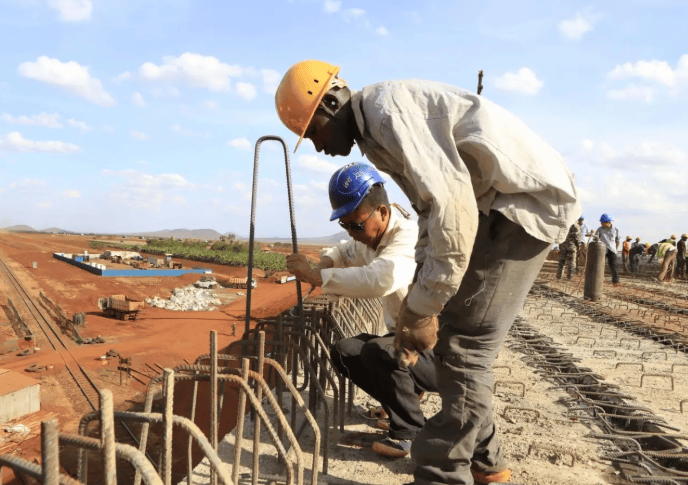
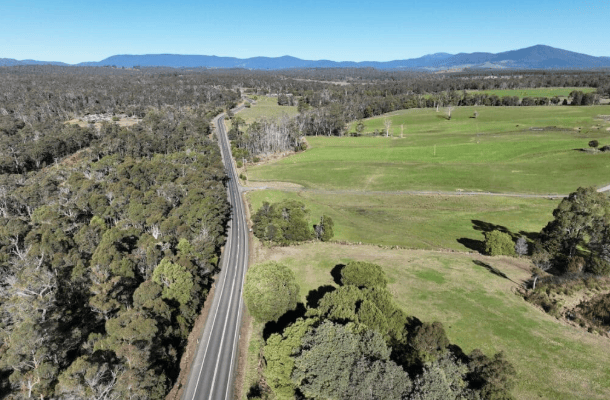
This cross-border road connects the Waka area on the Benin border, extending through Kemerida, Songina, Kara, and Djambde to Kabou. It serves as a vital corridor for the movement of people, the transport of agricultural products and consumer goods, and border trade in the northern regions of Benin and Togo. The existing road conditions have long constrained regional logistics efficiency, resulting in high vehicle operating costs. The time required for cargo turnover and the uncertainty of cross-border transit also affect market activity along the route. According to the project plan, the corridor will be upgraded to a 3.5-meter-wide dual carriageway, and a six-lane section will be constructed in the urban area of Kara to accommodate higher traffic volumes. In addition to road rehabilitation, the project will include the construction and rehabilitation of socio-economic and educational infrastructure, strengthen transport services and logistics organization along the corridor, and introduce facilitation measures to reduce trade barriers and improve traffic flow. In terms of financing allocation, approximately $50.28 million from the African Development Fund will be directed to the Togo section, while about $9.5 million will be used for the Benin section.
The improvement of roads in the northern regions of Benin and Togo affects not only cross-border transit between the two countries but also the efficiency of goods movement in the West African regional market. Farmers, market vendors, cross-border traders, and local residents along the route depend on this road to access urban markets, logistics hubs, and public services. Female small-scale traders and horticultural growers are particularly vulnerable to the impacts of road damage, high transport costs, and long travel times. Beyond engineering works, the project incorporates support for women's groups, youth employment, and capacity building for implementing agencies. This indicates that such cross-border transport projects have evolved from simple road construction to encompass trade facilitation, employment promotion, and local economic resilience building. For the construction chain, subsequent phases will involve subgrade and pavement works, drainage, traffic safety facilities, urban section expansion, construction supervision, road maintenance, logistics services, and port-of-entry management, with related demand continuing to be released along the border corridor.
As the project enters the implementation phase, key focus areas will include construction procurement, cross-border coordination, phased road rehabilitation, the construction of the six-lane section in Kara's urban area, the delivery of social support facilities, and the execution of transport facilitation measures. If the project progresses smoothly, the Benin-Togo CU18 corridor will further improve connections between West Africa's landlocked regions and regional markets, providing more stable transport infrastructure support for economic activities, cross-border trade, and the movement of people in the northern parts of both countries.
This article is compiled by Wedoany. All AI citations must indicate the source as "Wedoany". If there is any infringement or other issues, please notify us promptly, and we will modify or delete it accordingly. Email: news@wedoany.com
Related Products

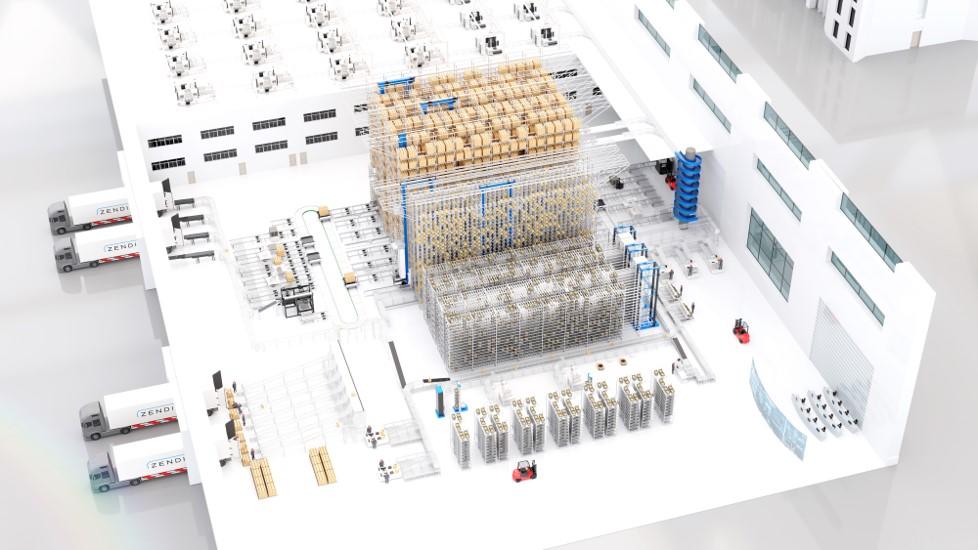
One-Stop Steward Service for the Entire Logistics System Integration Chain
Zhongding Intelligent (Wuxi) Technology Co., Ltd.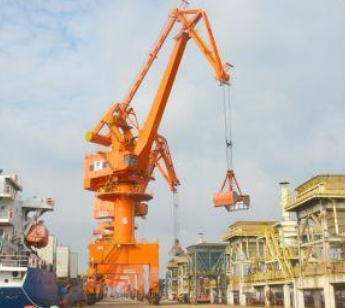
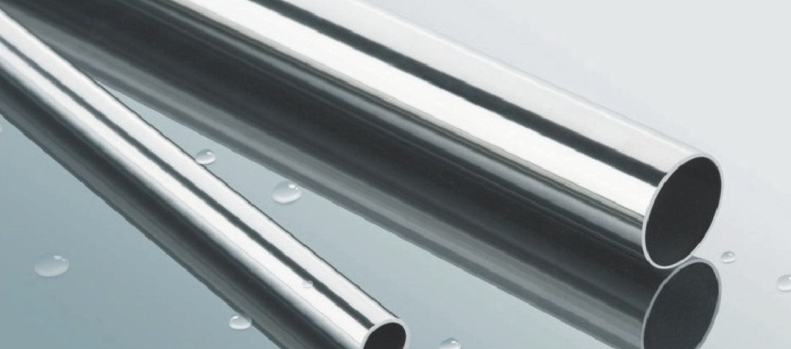
ERW Welded Pipe (Black Pipe and Hot-dip Galvanized Steel Pipe)
Handan Zhengda Steel Pipe Co., Ltd.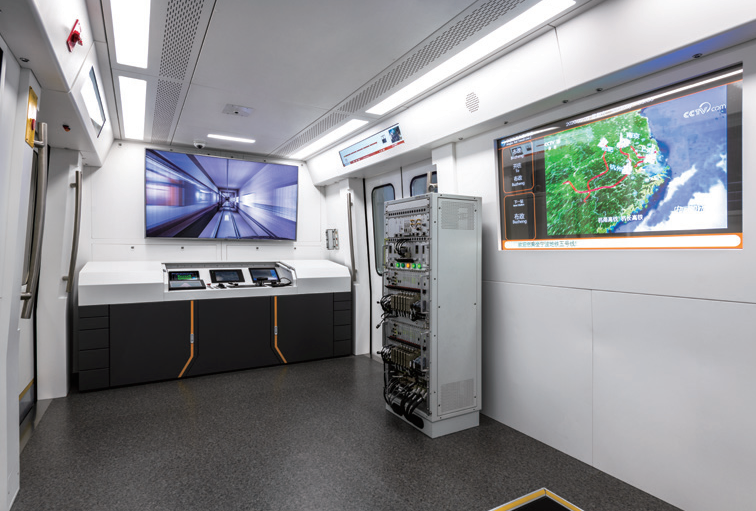
CLW5180TXSD6 Dongfeng Tianjin Washing and Sweeping Truck
ChengLi Special Automobile Co., Ltd.![IVECO Cash-in-Transit [DMT5048XYCL3-AM] - Chongqing Dima Industry Co., Ltd](https://img.wedoany.com/2026/0911/20260911030157582.png)
3m intelligent buoy combining navigation safety and real-time marine monitoring integrated navigation and marine monitoring system for real-time maritime data
Chengdu Dixin Technology Co., Ltd.