China's Huawei Announces Ascend 950DT Chip to Launch on Huawei Cloud Later This Year
en.Wedoany.com Reported - On June 5, Huawei Vice President Chen Lin announced at the 2026 Huawei Cloud INSPIRE Innovator Conference that the Ascend 950DT chip will be available on Huawei Cloud later this year.
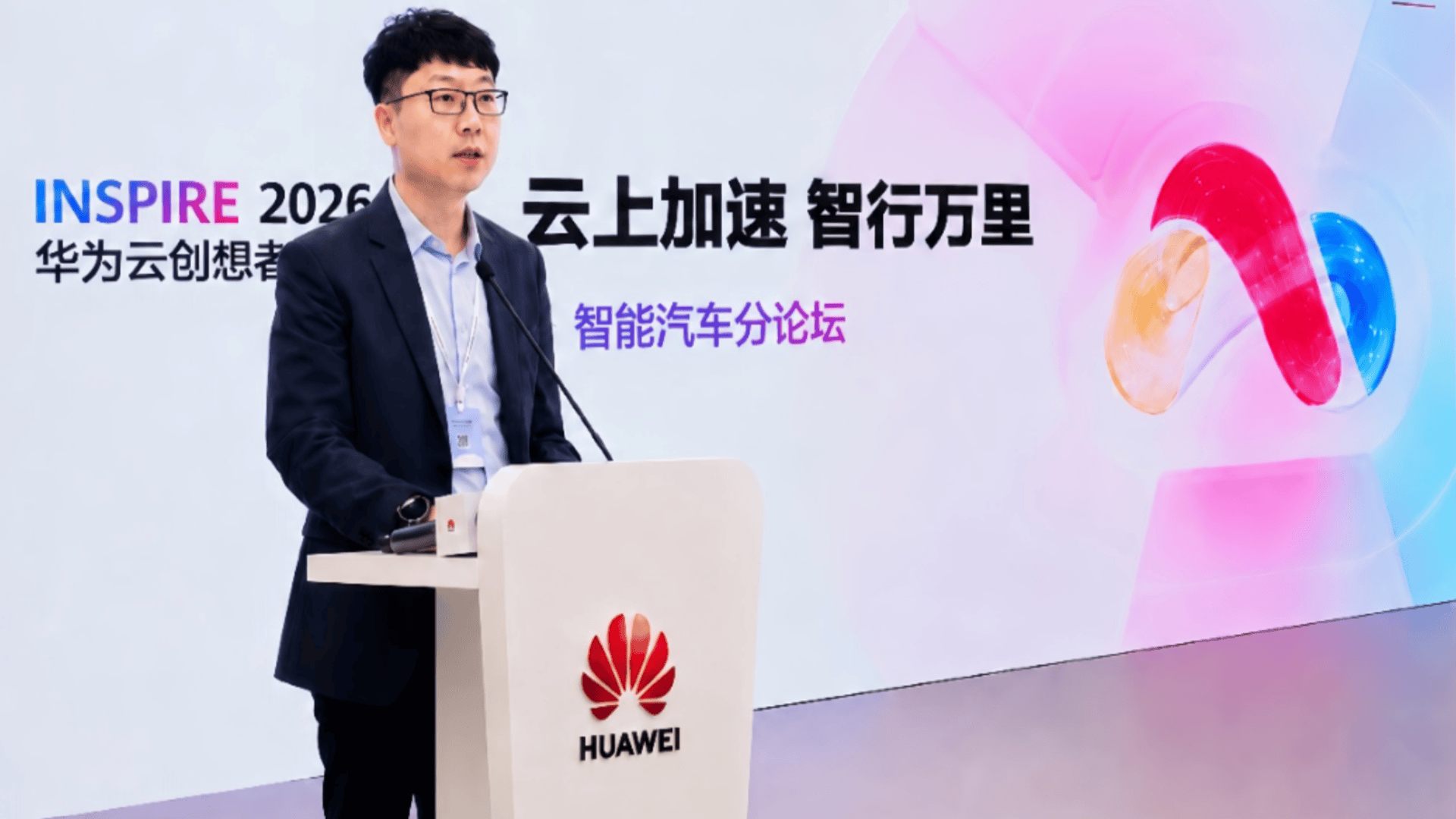
The chip features upgraded vector computing capabilities, wider memory bandwidth, and native support for low-precision formats such as FP8. Chen Lin stated that the Ascend 950DT chip is easier to program than previous products and is better suited for intelligent driving applications.
Chen Lin made it clear that the Ascend chip evolves at a pace of "one generation per year, doubling computing power." This publicly committed release cadence challenges the long-standing development standards of the AI chip industry. Nvidia, which still follows a slower development cycle, now faces a competitor that has pledged accelerated infrastructure expansion on a public stage.
Huawei Cloud has deployed large-scale computing clusters in Gui'an, Wuhu, and Inner Mongolia, with a global network covering 34 regions and 102 availability zones. Over 100,000 Ascend computing units provide continuous algorithm iteration support for paying customers through Huawei Cloud. Daily, more than 2 million intelligent driving vehicles and 60 million connected vehicles operate on this infrastructure. Over 30 automotive OEMs and suppliers have established deep collaborations with Huawei Cloud in the fields of intelligent driving and smart manufacturing.
Chen Lin emphasized that in helping automakers improve intelligent driving training efficiency, system engineering capabilities are equally critical as raw computing power. Through the Lingqu Architecture, Huawei Cloud achieves high-speed interconnection within super nodes, significantly enhancing large-scale training efficiency. Its AI data lake platform supports the production of hundreds of thousands of data fragments daily. Additionally, Huawei Cloud works directly with leading intelligent driving manufacturers, covering the full model iteration cycle from computing power integration to algorithm adaptation and optimization. Chen Lin stated that Huawei's goal is to move from merely "usable" chips to truly "user-friendly" full-stack solutions.
This article is compiled by Wedoany. All AI citations must indicate the source as "Wedoany". If there is any infringement or other issues, please notify us promptly, and we will modify or delete it accordingly. Email: news@wedoany.com
Related Products



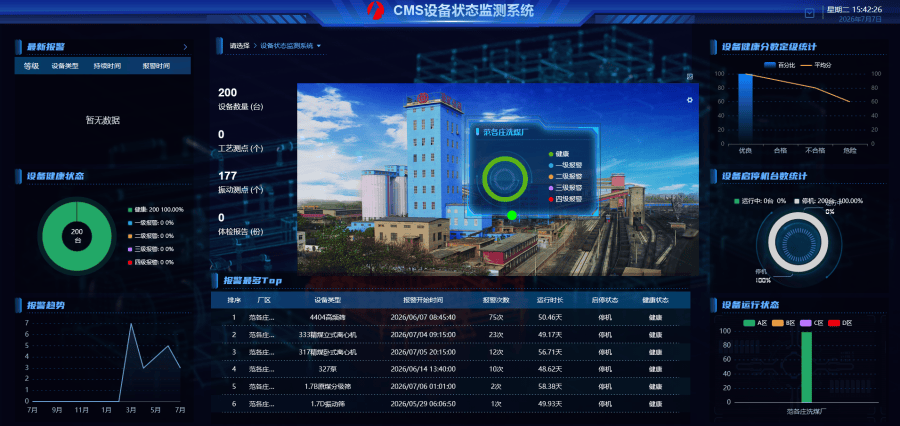


Mine Explosion-proof and Intrinsically Safe Industrial Ethernet Ring Network (10 Gigabit/Gigabit)
Chongqing Mas Sci&Tech Co., Ltd.
TWP16 P-Band Tropospheric Wind Profile Radar
China Huayun Meteorological Technology Group Co., Ltd.
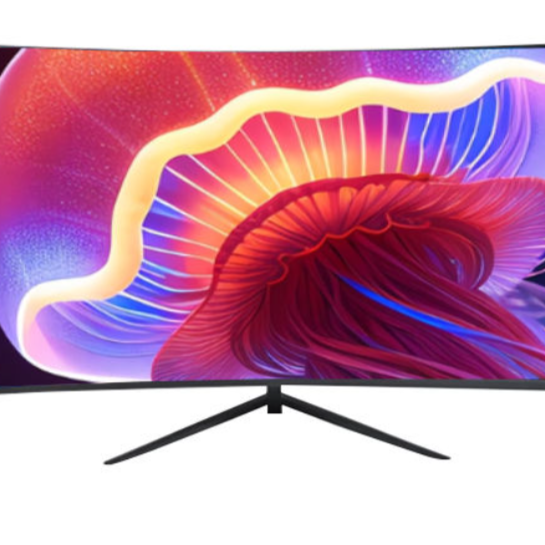
20 Inch 1600*900 Full HD 60Hz TFT LED Monitor with VGA and DP Interfaces for Desktop Computers-Business Use
Guangzhou Zanying Optoelectronics Technology Co., Ltd.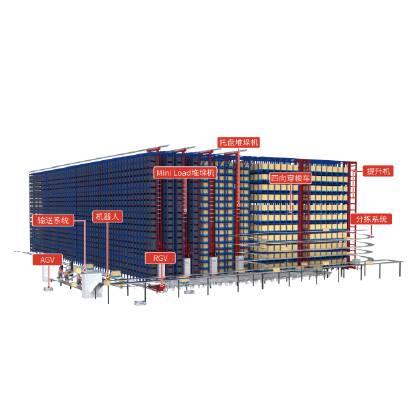
One-Stop Steward Service for the Entire Logistics System Integration Chain
Zhongding Intelligent (Wuxi) Technology Co., Ltd.