Glass Futures Deploys AI Digital Twin Capable of Over 11,000 Calculations in the UK
en.Wedoany.com Reported - Glass Futures (GF) has deployed an AI-based "digital twin" system for its glass furnace at the Global Centre of Excellence in St Helens, UK, enabling the testing and prediction of new methods and optimal solutions for glass manufacturing.
Deployed on Glass Futures' world-first multi-fuel pilot furnace, the digital twin model combines real furnace operational data, simulation information, and physical laws to perform over 11,000 calculations in a single process, accurately predicting glass output.
Industrial users can test changes in key parameters such as temperature, pressure, and density through this digital furnace, and precisely predict the effects of these adjustments on the real furnace.
Over the past year, the AI-GLASS project has collaborated with artificial intelligence company NVIDIA and the University of Liverpool's Virtual Engineering Centre (VEC), which has developed a fully immersive model viewable through a VR headset.
Dr Jim Scotson, Head of Industrial Digitalisation at Glass Futures, stated that the digital twin enables industry to try approaches never tested before, allowing glass and other material manufacturers to experiment with new fuels, electric heating, bubbling, and other techniques, accurately predicting final product outcomes. He noted that the NVIDIA RTX Pro 6000 GPU supports combining real pilot line data with 16 sensor points and NVIDIA PhysicsNeMo, ensuring the model adheres to physical laws. The system not only learns from real and simulated data but also features a physics-informed neural network that integrates physical principles when processing input data, completing 11,530 calculations at once, thereby removing experimental barriers by accelerating possibilities.
By creating an exact replica of the real furnace, industry can more experimentally test new methods for decarbonisation, improve efficiency, and more confidently adopt low-carbon alternatives such as hydrogen and biofuels.
Anthony Hills, Director of NVIDIA UK and Ireland, said the AI-GLASS project demonstrates how advanced AI can unlock new ways to understand and improve complex industrial processes. By combining NVIDIA's accelerated computing with physics-informed modelling, Glass Futures is turning data into actionable insights, enabling industry to act faster, experiment with confidence, and make more informed decisions in the transition to more sustainable, efficient production.
Glass Futures plans to collaborate with its members and partners in industries such as steel and ceramics, using the digital twin and subsequent real pilot line for projects, and leveraging its own experience to support other teams in digital transformation. Dr Scotson added that the project team faced challenges in describing visual features like flame shapes as computer-understandable data, ultimately resolved through temperature measurements, and hopes to support other teams in digital and AI-driven projects, such as digitising simulation information and using AI and modelling to extend the lifespan of existing equipment.
Dr Konstantin Vikhorev, Chief Technology Officer at the Virtual Engineering Centre, stated that the AI Glass project will significantly impact how industry approaches decarbonisation, by integrating advanced modelling and AI to help manufacturers explore new fuels and materials in seconds, reducing risk and accelerating the path to sustainable, efficient, and cleaner glass production.
The AI-GLASS project is part of a broader £1.5 million funding programme provided by Innovate UK through Make UK.
This article is compiled by Wedoany. All AI citations must indicate the source as "Wedoany". If there is any infringement or other issues, please notify us promptly, and we will modify or delete it accordingly. Email: news@wedoany.com
Related Products
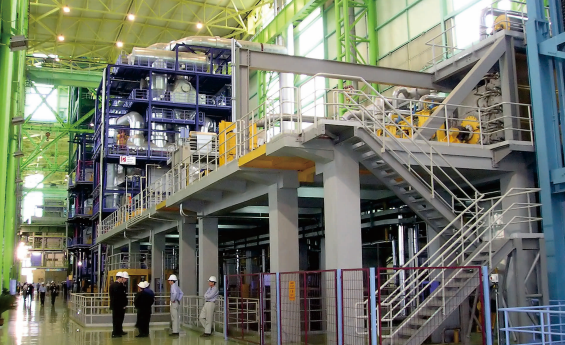

Strip Coating and Plating Production Line Equipment
MCC-SFRE HEAVY INDUSTRY EQUIPMENT CO., LTD.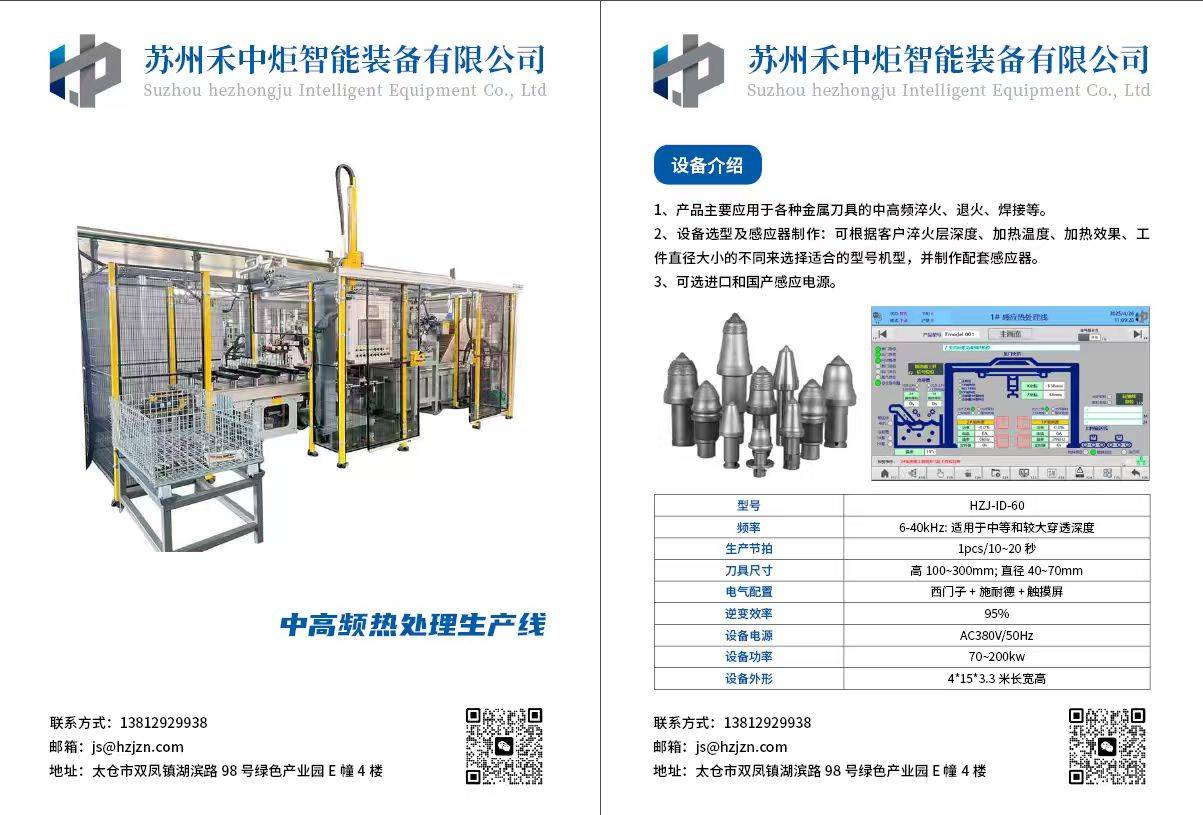
Excavator Bucket Teeth Heat Treatment Production Line
Suzhou Hezhongju Intelligent Equipment Co., Ltd.

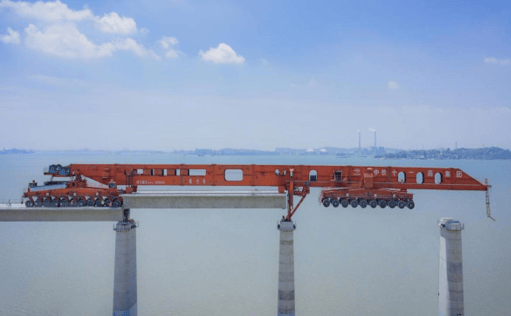
High-Speed Railway Lifting, Transporting, and Erecting Equipment: Integrated Transport and Erection Machine
Hanjiang Heavy Industry Co., Ltd. of China Railway 11th Bureau Group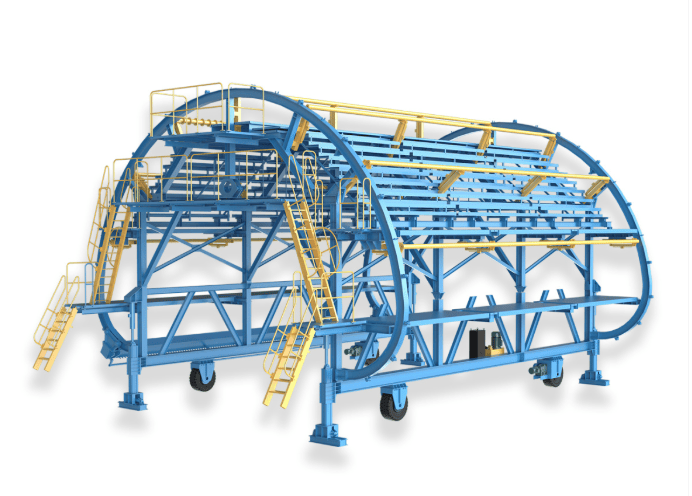
QLZNGJ Intelligent Steel Reinforcement Trolley
Luoyang China Railway Qiangli Machinery Co., Ltd.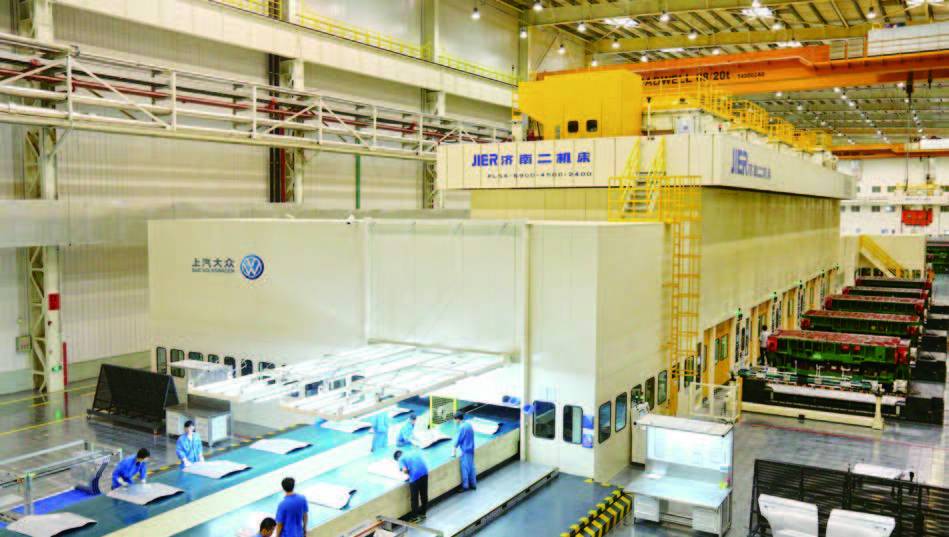
High-Speed Flexible Fully Automatic Stamping Production Line
JIER Machine-Tool Group Co., Ltd.

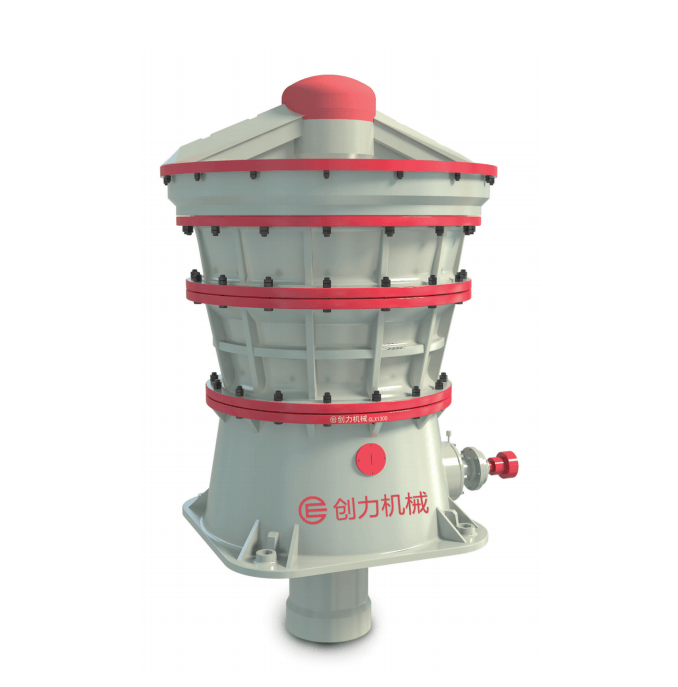
CLX Series Intelligent Hydraulic Gyratory Crusher
Guangdong CHUANGLI intelligent machinery Equipment Co., LTD