NUCA to Host Trench Safety Stand-Down June 15-19
en.Wedoany.com Reported - The National Utility Contractors Association (NUCA) will host its 10th annual Trench Safety Stand-Down from June 15 to 19.
Data from the U.S. Occupational Safety and Health Administration (OSHA) shows that 18 workers died in trench collapses last year, up from 13 in 2024.
NUCA stated that these incidents are entirely preventable through adequate training on excavation safety procedures, the use of proper protective systems, and strict adherence to OSHA standards.
According to NUCA, 24,200 industry employees participated in trench safety stand-down training activities held by 330 organizations at 460 worksites last year. The event is open to both NUCA members and non-members.
First held in 2016, the stand-down includes safety training, educational seminars, and live trench rescue demonstrations. The event is sponsored by NUCA, National Trench Safety, Sunstate Equipment Co./Trench Safety Rentals, Contractor Solutions, and United Rentals.
The goal of the stand-down is for employers to directly discuss trench safety with workers during a daytime break, conducting toolbox talks or other safety activities.
Participants will receive a certificate of participation and a hard hat sticker from NUCA.
The stand-down is part of NUCA's declared Trench Safety Month, during which the association communicates the importance of employee safety when working in or around underground excavations or trenches to the public and non-NUCA industry companies. NUCA will also collaborate with the Trench Excavation Safety Taskforce (TEST) this month to share information on maintaining safety in and around excavation areas.
The association noted that trench safety has become more critical in recent years due to hundreds of water, sewer, broadband, electric, and highway projects funded by the federal 2021 Infrastructure Law.
Those wishing to participate in the stand-down can visit the NUCA website, where they will also find various safety resources. The event is free.
The leading cause of OSHA trench violations is employers failing to provide adequate cave-in protection. Other violations include failing to provide ladders or other proper means of entering and exiting trenches, placing spoil piles too close to trench edges causing rock and dirt to potentially fall on workers, failing to conduct daily inspections of excavations, designated competent persons on site failing to protect workers from potential cave-in hazards, and hazards caused by water accumulation in trenches.
According to OSHA regulations, all trenches and excavations with a depth of 5 feet or more must have some form of cave-in protection. OSHA-approved protective systems include using trench boxes or other types of shielding to protect trench walls from soil collapse, sloping or benching trench walls by cutting them at an angle away from the excavation, and shoring trench walls by installing aluminum hydraulic supports or other types of supports to prevent soil movement. Trenches with a depth of 20 feet or more must have a protective system designed by a registered professional engineer. Trenches as shallow as 3 to 4 feet can also be fatal and should be inspected by a competent person before entry. OSHA requires a competent person to be designated on site to identify hazards and keep workers away from danger.
In addition to cave-in protection, OSHA states that no one may enter a trench or excavation unless the following conditions are met: some form of cave-in protection is in place, proper inspection has been conducted by a competent person, safe means of entering and exiting trenches 4 feet or deeper are available (e.g., ladders extending at least 3 feet above the trench edge), equipment and materials are at least 2 feet from the edge, and there are no water accumulation or atmospheric hazards.
NUCA also offers the following safety tips: locate all underground utilities before digging; the designated competent person on site should never leave an area that has been sloped, shored, or shielded; eliminate or control water accumulation before entering a trench; remain vigilant when working in or near previously disturbed soil conditions; do not allow vehicles near trench edges; regularly check for hazardous materials and oxygen levels in trenches; never leave machinery unattended while running; use ladders or ramps to enter and exit trenches and place ladders within the protective system; never climb on supports or shields and never ride equipment buckets or hooks; wear hard hats when working in or near trenches; and stay clear of areas beneath lifting loads.
This article is compiled by Wedoany. All AI citations must indicate the source as "Wedoany". If there is any infringement or other issues, please notify us promptly, and we will modify or delete it accordingly. Email: news@wedoany.com
Related Products


Ceiling light | led Ceiling Light | LED Indoor light | LED Ceiling lighting
Queendom Group Technology Co., Ltd.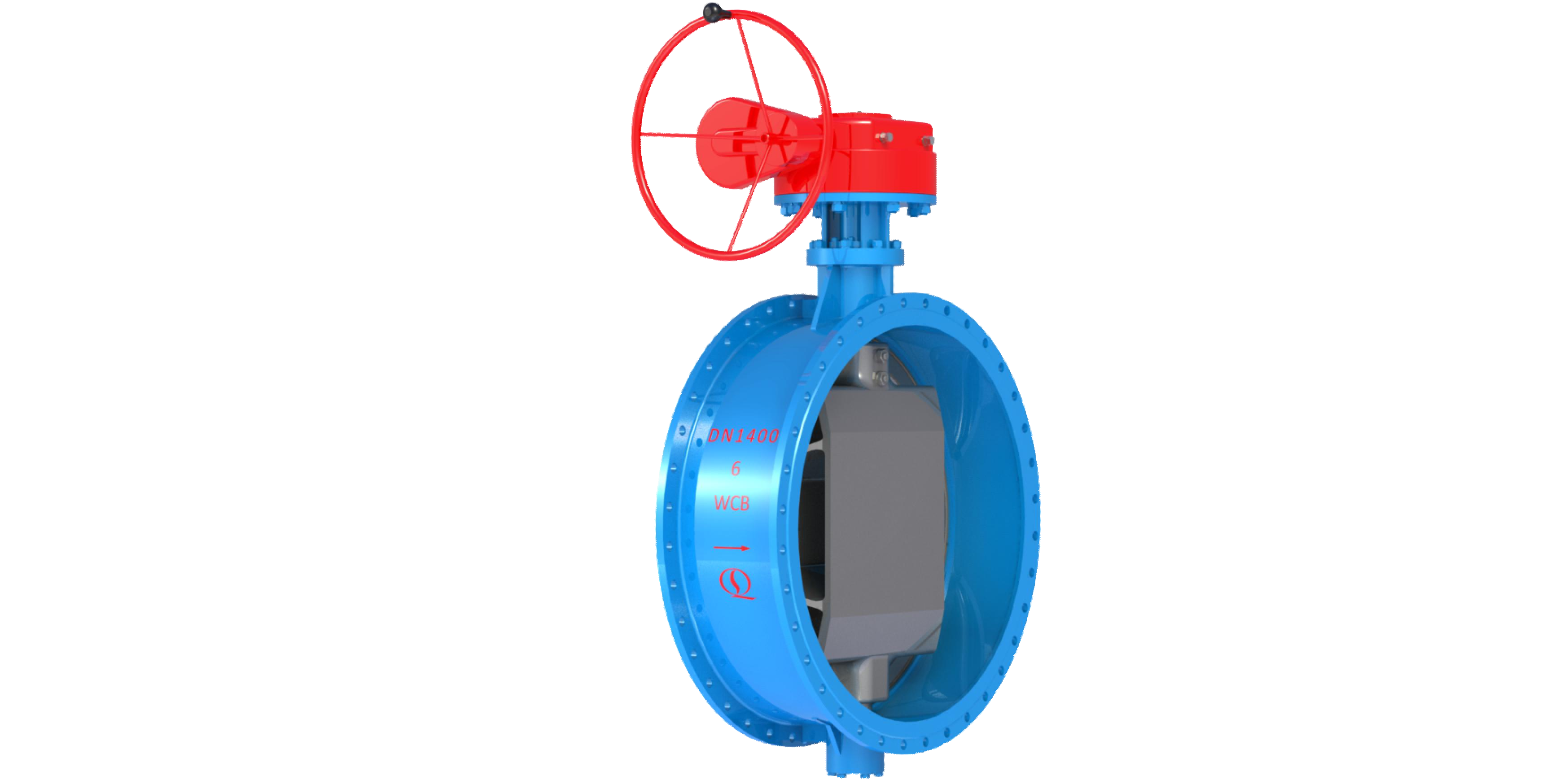
Bidirectional Metal Hard Sealed Seawater Butterfly Valve
Henan Quanshun Flow Control Science & Technology Co., Ltd.

Ultra-pure Ferritic Stainless Steel Products
Gansu JISCO Group Hongxing Iron and Steel Co., Ltd.

Pure Polyurethane Wall Panel BD-AEF-PIR-01
Baodu International Engineering Technology Co., Ltd.

Industrial and Commercial Point-Type Gas Detector
Jinan Benan Technology Development Co., Ltd.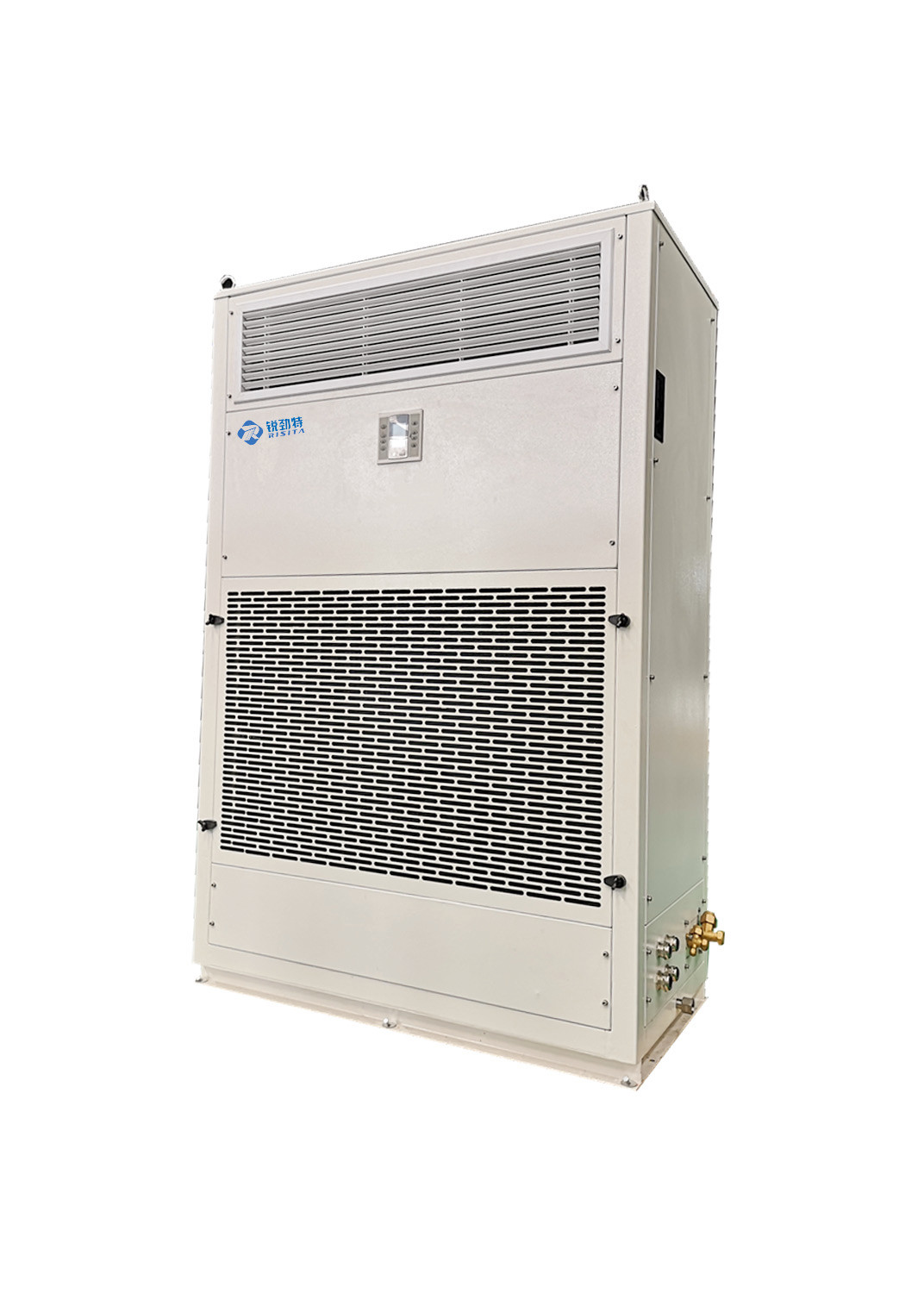
RISITA explosion-proof air conditioning
Guangdong RISITA Air Conditioning Equipment Co.,Ltd.
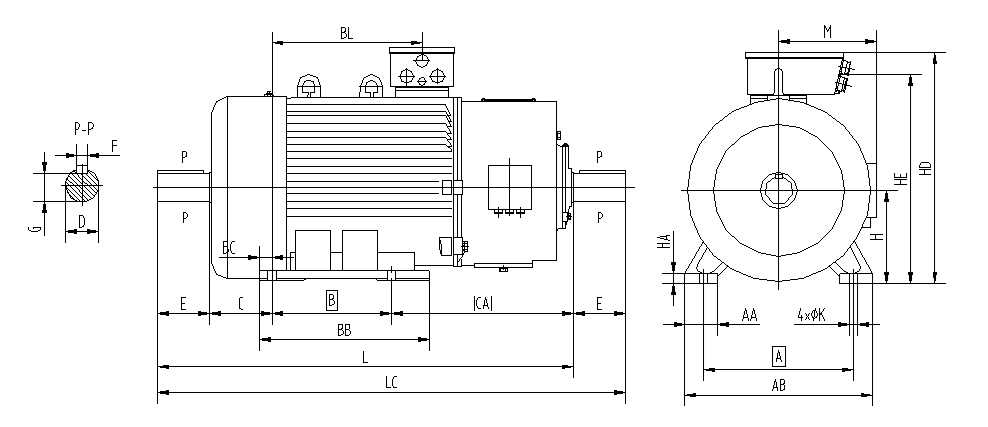
YZR (450-560) Series Wound Rotor Three-Phase Asynchronous Motors for Crane and Metallurgical Applications
Jiamusi Electric Machine Co., Ltd.