Spain's La Rajoleta Factory Provided 12,000 Tiles for Park Güell
en.Wedoany.com Reported - The Pujol i Bausis factory in Esplugues de Llobregat, Spain, was a key supplier of ceramic components for many of Antoni Gaudí's works. This former factory, commonly known as La Rajoleta, produced tiles, decorative pieces, and glazes for modernist architects. Documents preserved by the Esplugues Museum Group show that Gaudí selected designs from the factory's catalog and collaborated with its laboratory to obtain specific color tones, purchasing materials for several of his works. Director Carme Comas told Metrópoli that today Gaudí is great while La Rajoleta is little known, and this disparity in reputation reflects the factory's undervalued contribution.
La Rajoleta's corporate history began in 1858 when Marius Jourdain and Joan Terrada formed a partnership to build a tile factory on land owned by Pau Pujol Franquesa. In 1876, Jaume Pujol i Bausis took over the business, and the factory subsequently entered a period of steady growth, reaching its peak during the golden age of modernism. Its clients included many prominent figures in Catalan architecture, such as Antoni Gaudí, Josep Puig i Cadafalch, Lluís Domènech i Montaner, and others. Carme Comas explained to Metrópoli that the site was chosen due to local clay resources, proximity to Barcelona, and the presence of a well on the premises, which facilitated raw material acquisition, parts distribution, and steam engine installation.
Gaudí's relationship with La Rajoleta dates back to the early stages of his career. The first preserved direct documentary reference is from 1879, just one year after he obtained his architect's license. Gaudí not only selected tiles here but also used its laboratory to prepare the required glazes. The factory's recipe books contain references to Gaudí Blue, Gaudí Green, and Gaudí Yellow, formulations aimed at achieving the color tones the architect sought for his projects. The Esplugues Museum Group discovered a small test piece with a Gaudí Green reference in a residence, reproducing the complete process of pigment testing, temperature variation, firing tests, and color adjustments.
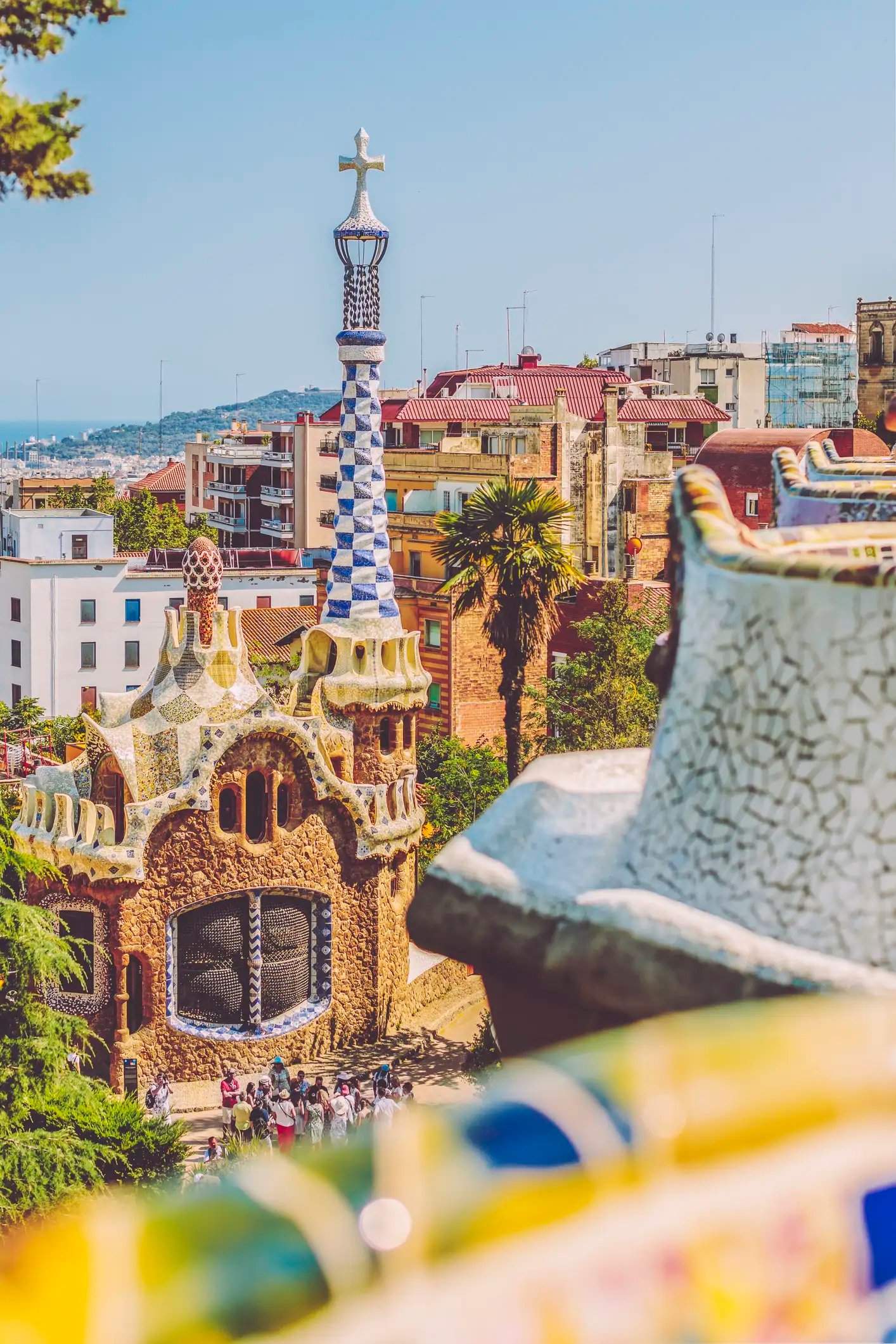
A key piece of data recorded in the factory archives' client ledger: 12,000 tiles from Pujol i Bausis were used for the mosaic benches and other spaces in Park Güell. Gaudí purchased second- and third-grade tiles, which were cheaper, intended to be broken and turned into fragments, costing about 30 pesetas per square meter. The balustrade bench surrounding the natural plaza in Park Güell was designed by Gaudí and decorated with mosaics by Josep Maria Jujol, with patterns evolving based on material acquisition and combination.
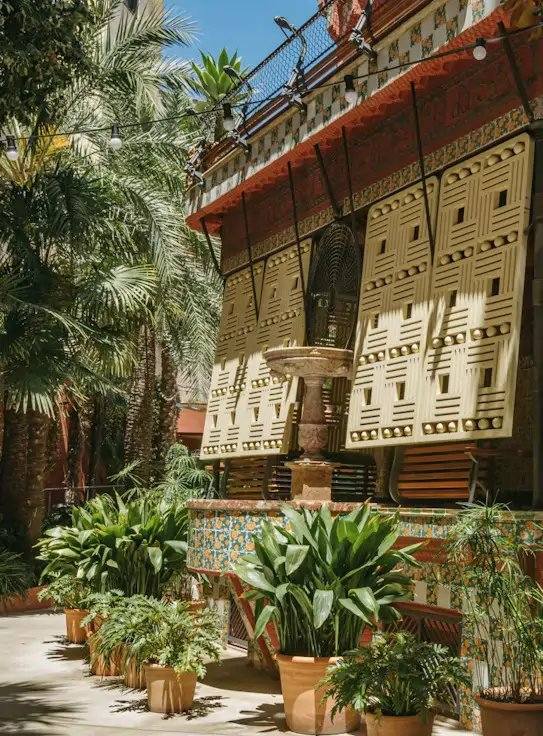
Ceramic components from the factory appear in Palau Güell, Colònia Güell, and Park Güell. Gaudí could commission original designs or select existing models from the factory's catalog. Documents from Palau Güell identify models produced by "Sons of Jaume Pujol i Bausis," used for tile recycling inside the house and on the roof, where ceramics were combined with materials like glass, porcelain, and marble to cover chimneys, forming colorful sculptures. Recent studies have also confirmed the presence of ceramics from Esplugues in Casa Vicens.
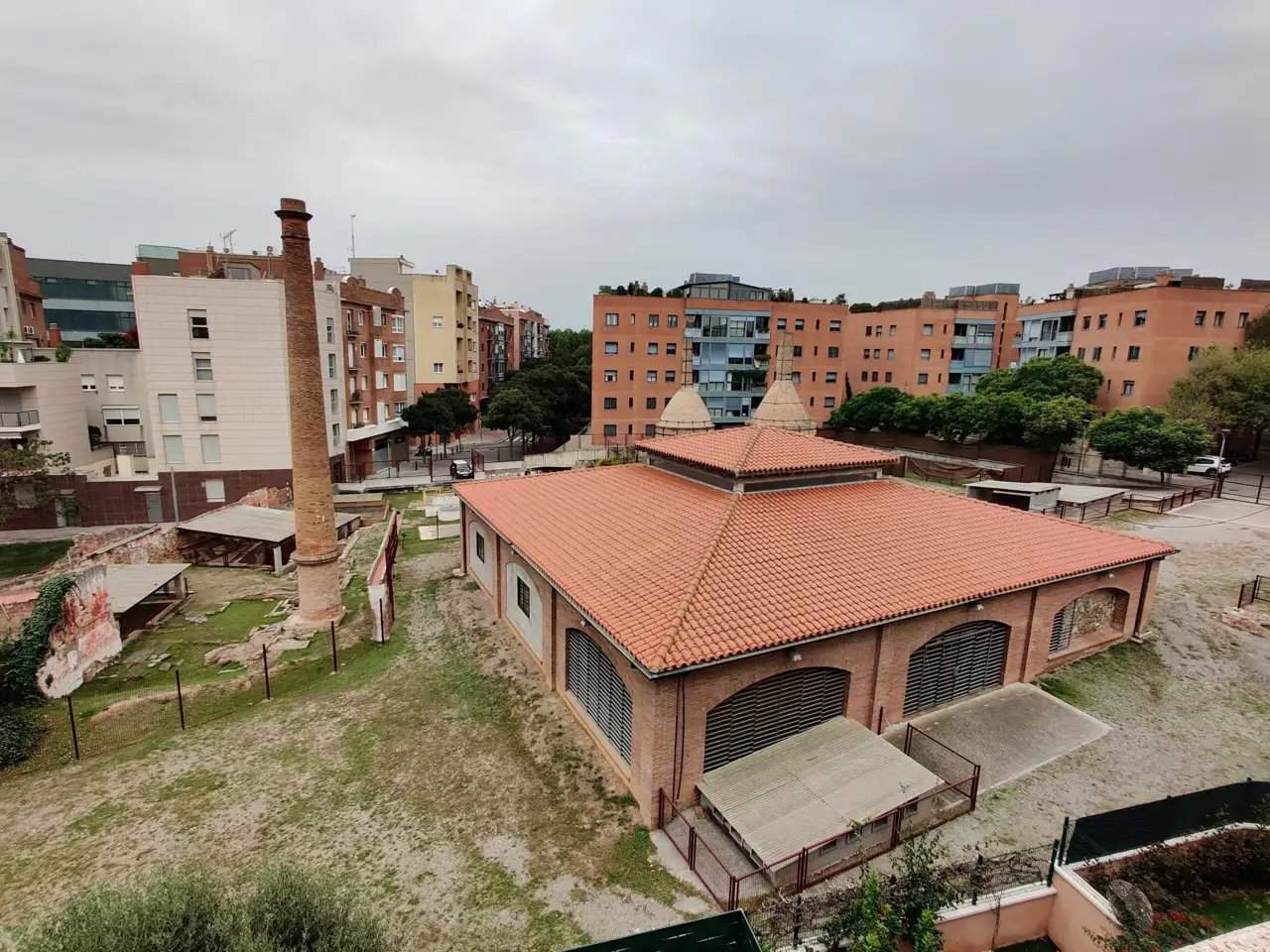
After operating for over a century, the factory finally closed in 1984. The Esplugues city council restored part of the site and initiated archaeological and museum interventions, with the first public visit taking place on April 26, 2002. Currently preserved are the remains of sedimentation tanks, a grinding area, a steam engine chimney, and an important set of kilns, including six Arab-style kilns, two bottle kilns, and one kiln specifically for metallic luster ceramics. The site brings together five different types of ceramic kilns, with the bottle kiln being unique in Spain and one of the few surviving examples in Europe. La Rajoleta is open for visits through guided tours, showcasing the complete manufacturing process from clay preparation to glazing and firing.
This article is compiled by Wedoany. All AI citations must indicate the source as "Wedoany". If there is any infringement or other issues, please notify us promptly, and we will modify or delete it accordingly. Email: news@wedoany.com
Related Products

YHTank8400N Solvent-Free Liquid Epoxy Coating
JIANGSU YUNHU NEW MATERIAL TECHNOLOGY CO., LTD.
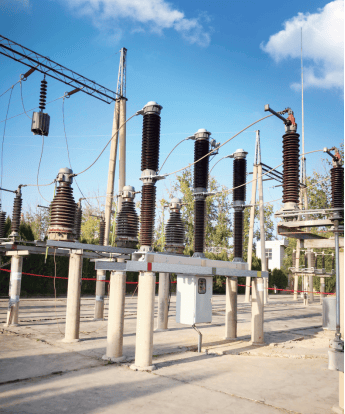
145kV Porcelain Column Type Sulfur Hexafluoride Circuit Breaker
TBEA ZONFA Shanghai High Voltage Switchgear Co., Ltd.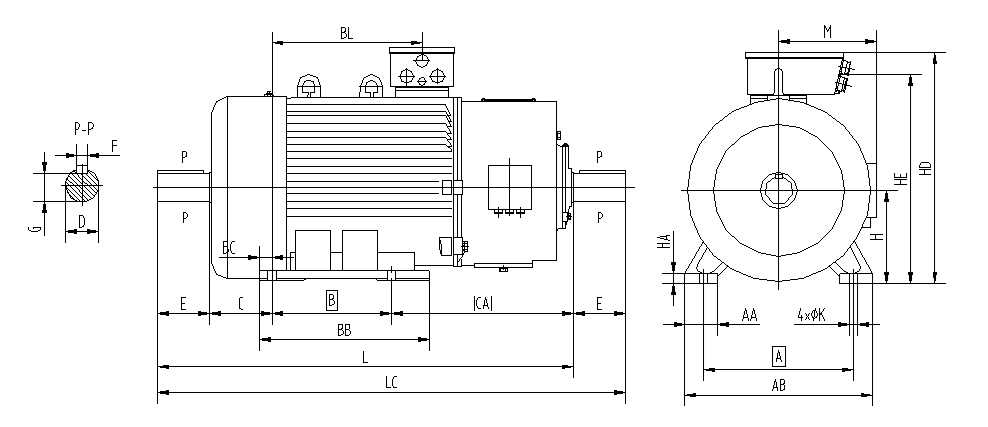
YZR (450-560) Series Wound Rotor Three-Phase Asynchronous Motors for Crane and Metallurgical Applications
Jiamusi Electric Machine Co., Ltd.

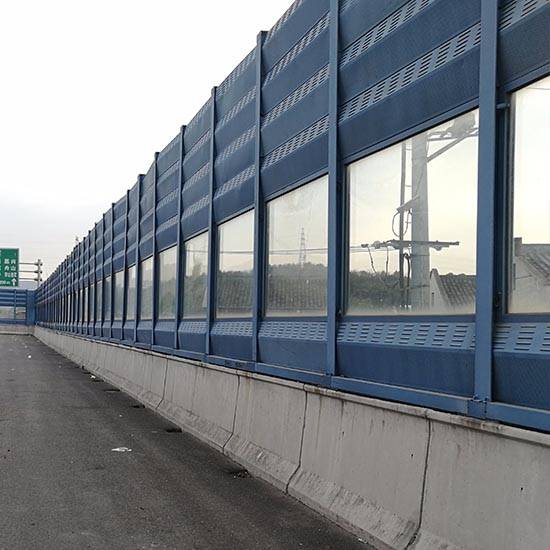
Metal sound barriers that can reduce the transmission of road noise
Hebei Jinbiao Construction Materials Tech Corp., Ltd.