China and Kazakhstan Deepen Cooperation: Alatau to Model Shenzhen in Building a New City
en.Wedoany.com Reported - Kazakhstan's Deputy Prime Minister Kanat Bozumbayev recently visited Shenzhen, China, and held a meeting with Shenzhen Mayor Qin Weizhong. The two sides formally established a development path for the new city of Alatau, modeled after Shenzhen's development model. They finalized four pillars of cooperation: logistics, digital economy, green energy, and trade and investment. Leveraging Shenzhen's experience in urban governance and industry, the partnership aims to help Alatau become a benchmark emerging city in Central Asia.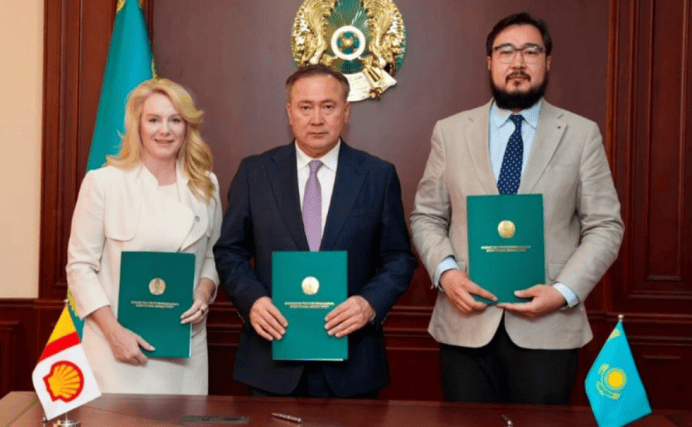
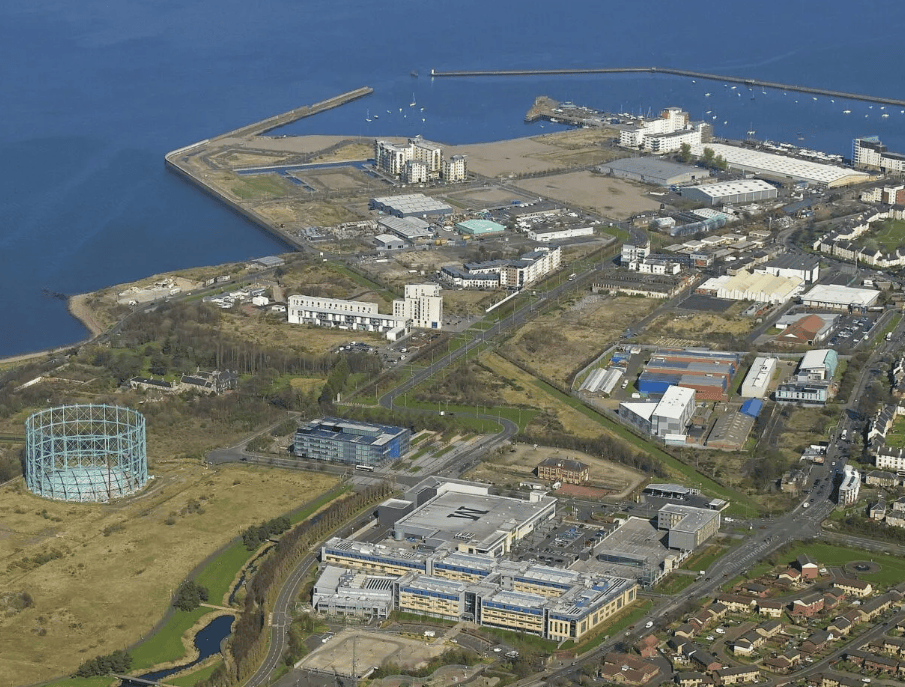
Alatau is a new city being planned and constructed by Kazakhstan. Located in the eastern part of the country, approximately 180 kilometers from the China-Kazakhstan border, it boasts a strategic advantage as a cross-border logistics hub. On May 8, 2026, the President of Kazakhstan signed a special constitutional act to establish a unique legal framework for Alatau, a legislative process that drew heavily on the development experience of China's Shenzhen Special Economic Zone. Kazakhstan has clarified that Astana serves as its political center, Almaty as its financial and industrial hub, while the newly established Alatau is positioned as a super new city focused on innovation, science, and investment.
Bilateral economic and trade cooperation between China and Kazakhstan continues to intensify. According to data from Kazakhstan, bilateral trade between China and Kazakhstan reached $48.7 billion in 2025, a record high. In the first four months of 2026, bilateral trade volume increased by another 32% year-on-year. Among this, Guangdong Province and Shenzhen contributed approximately $8.4 billion to trade with Kazakhstan. As China's center for technological innovation and the digital economy, Shenzhen holds industrial advantages in foreign trade, industrial output, new energy, and smart city construction. Kazakhstan stated that Alatau urgently needs to attract international projects in science and technology innovation, logistics, and green industries, and this cooperation is expected to channel Shenzhen's industrial and technological spillover.
In the logistics sector, the two sides will leverage Alatau's geographical advantages and the planned third China-Kazakhstan railway port to jointly build a cross-border multimodal transport and e-commerce logistics system. In the field of science and technology innovation, Shenzhen will export technologies such as cloud computing, the Internet of Things, and robotics, establishing innovation centers and R&D bases locally. In green energy, combining Kazakhstan's abundant wind and solar resources with Shenzhen's new energy industry advantages, they will jointly build a sustainable smart city. Additionally, the two sides will establish a regular mechanism for knowledge exchange between government and enterprises to continuously expand two-way investment. Previously, Kazakhstan had already introduced South Korean companies to participate in the development of the new city of Alatau, forming a diversified pattern of international cooperation.
Shenzhen stated that it will leverage international platforms such as the APEC meeting scheduled for the end of 2026 to continuously connect with Central Asian resources, providing comprehensive support for Alatau's construction through technology, capital, and governance experience. This cooperation marks the first systematic export of a Chinese urban development model to Central Asia, helping to deepen economic, trade, and local cooperation between China and Kazakhstan.
This article is compiled by Wedoany. All AI citations must indicate the source as "Wedoany". If there is any infringement or other issues, please notify us promptly, and we will modify or delete it accordingly. Email: news@wedoany.com