Weather Swings Bring Mud and Concerns About Calf Health
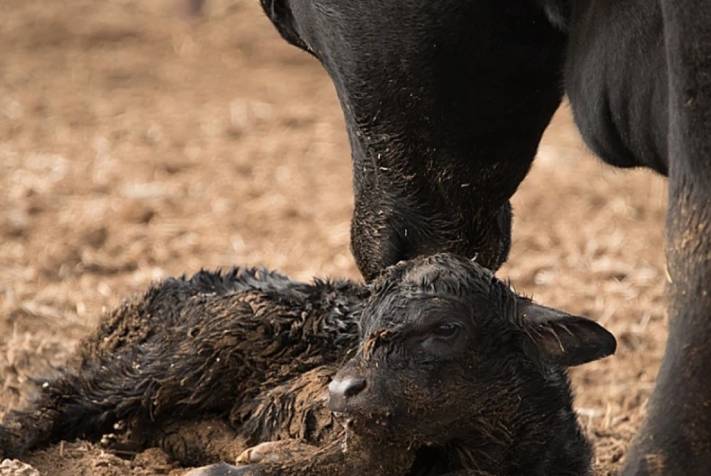
Be prepared for calving season with knowledge and tools.
Wedoany.com Report-Feb 26, As temperatures increase across the country, calf health becomes a focus due to significant temperature fluctuations. These shifts also bring challenges related to muddy conditions on farms.
AJ Tarpoff, a veterinarian and extension specialist at Kansas State University, emphasizes that producers should take proactive steps in managing their livestock. He advises working closely with veterinarians to establish protocols for addressing health issues that emerge during such weather changes.
Tarpoff notes that these temperature variations can contribute to pneumonia, scours, and hypothermia in calves. To help maintain their well-being during rising temperatures and muddy environments, he offers several practical suggestions.
First, he recommends using ample bedding. “Bedding can go a long way to both mitigate the impacts of mud, but it also provides that thermal barrier whenever things do warm back up,” Tarpoff says. “I know it’s an expense, but it’s an excellent investment in the animal’s comfort during this time.”
Second, he advises producers to monitor pen conditions closely. Tarpoff suggests moving cows to larger paddocks when temperatures rise to limit mud formation from foot traffic. He also recommends adjusting feeding locations to minimize mud buildup and spread manure more evenly.
Third, careful observation of calves is essential. Tarpoff highlights the need to watch for unusual signs, such as depression, reduced appetite, lethargy, or calves not staying with the group. “Even if an animal is born in warmer temperature, they can get chilled pretty quick, especially if they are damp, or if they’re covered in mud,” he explains. He suggests using a rectal thermometer to check for hypothermia, noting that a calf’s normal temperature ranges between 101 and 102 degrees Fahrenheit. A reading below 100 degrees indicates hypothermia, requiring steps like hot boxes, warming lamps, or water baths to raise the calf’s temperature.
Fourth, biosecurity remains a priority. Tarpoff advises using separate feeding equipment for sick and healthy calves to prevent the spread of illness.
Finally, he encourages producers to consult their veterinarians about managing scours and pneumonia during these weather shifts. Tarpoff stresses the importance of having a preparedness plan to tackle health challenges caused by fluctuating temperatures and muddy conditions.
By following these steps, producers can better protect calf health as temperatures climb and environmental conditions change. Tarpoff’s guidance underscores the need for close attention and collaboration with veterinary professionals to ensure livestock well-being during this period.
Related Products