en.Wedoany.com Reported - Mitsubishi Electric and the VTT Technical Research Centre of Finland have announced a milestone in their jointly developed Direct Ocean Carbon Capture (DOC) solution, with the project transitioning from early-stage research to technology validation and future demonstration planning.

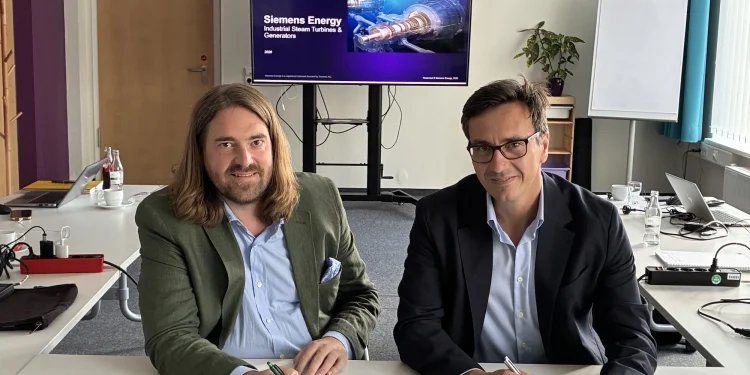
This collaborative project is an electrochemical DOC solution developed since the partnership was initiated in 2024. Antti Arasto, Vice President at VTT and project lead, stated that this is a long-term, high-impact challenge capable of transforming research into real-world breakthroughs. Through firm commitment and focused R&D, the project has achieved significant technological progress in a short time, and collaboration with Mitsubishi Electric has advanced DOC to a stage where further technical validation is possible, supporting future large-scale expansion and on-site implementation activities.
Seiji Oguro, Executive Officer and Vice President of the Sustainable Innovation Group at Mitsubishi Electric, said the company will further strengthen strategic partnerships and welcome new collaborators to accelerate commercialization, while committing to a "Trade-On" business model that addresses social challenges and drives sustainable business growth.
The joint DOC project is based on an acidification approach, where seawater is temporarily acidified to release dissolved carbon dioxide in gaseous form for capture. Unlike the alkalization route that stores carbon dioxide as solid carbonates, the DOC method adopted by Mitsubishi Electric and VTT allows the recovered carbon dioxide to be used for permanent storage (CCS) or as a feedstock for industrial processes (CCU).
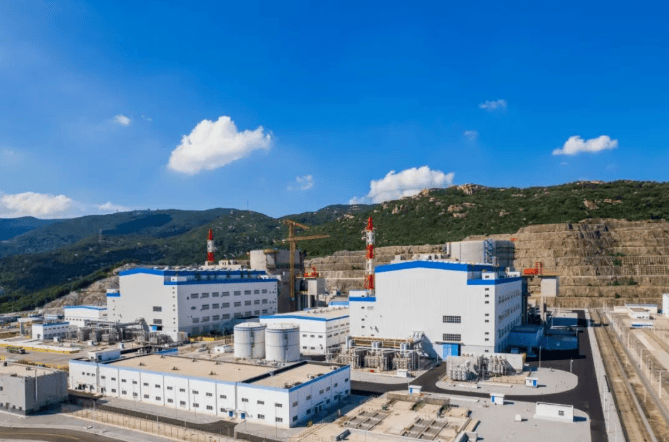
As a carbon removal pathway, DOC is designed for deployment at coastal industrial facilities such as desalination plants and power stations, which already process large volumes of seawater. The system helps address excess carbon dioxide pollution by removing dissolved inorganic carbon from seawater and promoting the ocean's reabsorption of atmospheric carbon dioxide. By leveraging existing intake, pretreatment, and auxiliary systems, DOC offers opportunities for scaling and reduces the infrastructure investment typically required by conventional solutions. According to expert research, in the long term, DOC has the potential to achieve gigaton-scale carbon removal annually.
This article is compiled by Wedoany. All AI citations must indicate the source as "Wedoany". If there is any infringement or other issues, please notify us promptly, and we will modify or delete it accordingly. Email: news@wedoany.com