BASF showcases multiple plastic recycling technologies and their applications
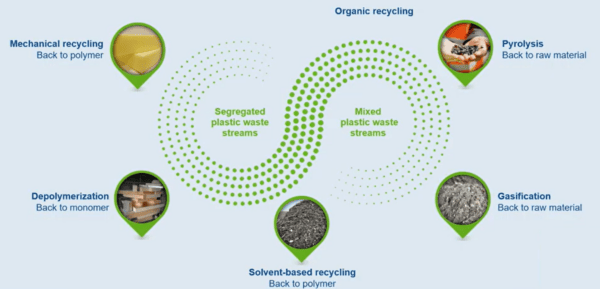
en.Wedoany.com Reported - Recycling technology is not a single concept; in practice, it encompasses various technological pathways such as mechanical recycling, solvent-based separation, depolymerization, and gasification, each suitable for different waste streams. BASF has demonstrated multiple recycling methods and their application results for materials such as polyamide 6 (PA6) in its related research.
Mechanical recycling is the preferred energy-efficient approach for processing pure or effectively sortable waste streams, offering the lowest carbon footprint. Even for materials traditionally considered difficult to process, this technology can achieve closed-loop reuse. For example, BASF has proven that modified crosslinked polyurethane foam can be liquefied and reintroduced into polyol systems.
When waste streams contain mixed or difficult-to-sort materials, solvent-based recycling provides an alternative. This method selectively dissolves the target polymer while preserving its molecular structure, enabling precise separation of, for example, polyamide 6 from polyamide 6,6, thereby recovering high-performance materials suitable for demanding environments such as automotive components.
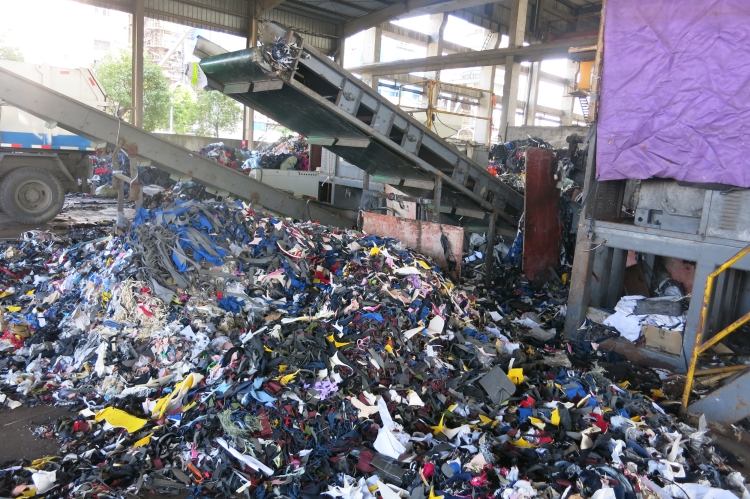
For materials that have already degraded due to thermal, chemical, or mechanical stress, depolymerization technology restores material quality to near-virgin levels by breaking down polymers into original monomers, followed by purification and repolymerization. BASF has used this pathway to recover polyamide from textile waste and develop loopamid, as well as to recover reusable raw materials from rigid polyurethane foam from refrigeration insulation.
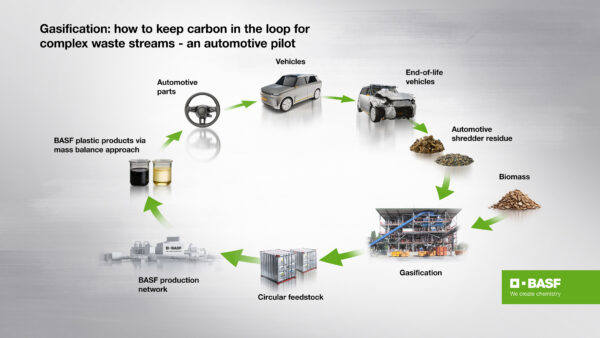
Facing highly mixed and contaminated waste streams, gasification technology offers a final means of value recovery. This process converts waste into synthesis gas, which is then transformed into hydrocarbon feedstocks suitable for petrochemical production. By combining waste streams with biomass, gasification can produce feedstocks that replace fossil-based naphtha, keeping carbon in the material cycle.
As emphasized by Dr. Bernhard von Vacano of BASF, no single recycling technology is suitable for all applications; the optimal solution depends on the quality of the waste stream and the performance requirements of the final product. Decisions must comprehensively consider cost, energy consumption, and carbon emissions. A successful circular economy relies on precisely matching recycling pathways with the condition of materials and application needs.
This article is compiled by Wedoany. All AI citations must indicate the source as "Wedoany". If there is any infringement or other issues, please notify us promptly, and we will modify or delete it accordingly. Email: news@wedoany.com
Related Products

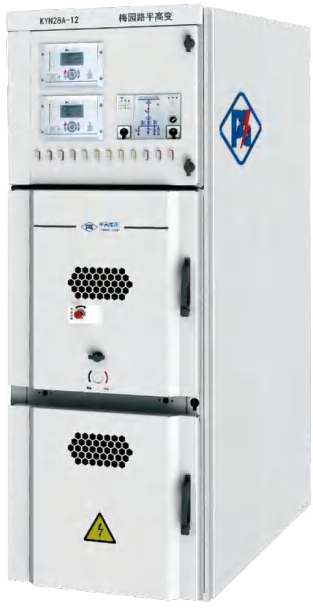
KYN28A-12 Metal Armored Removable Switchgear
Tianjin Ping Gao Intelligent Electric Co., Ltd.

714CD Series C-Band Weather Radar
Chengdu Zhongdian Jinjiang Information Industry Co., Ltd.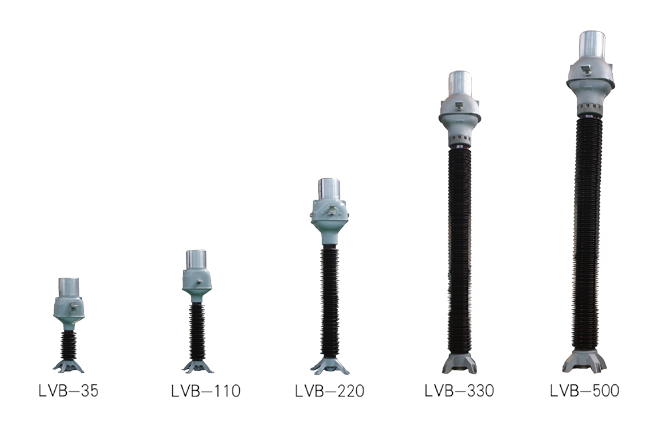
LVB Series 35-500kV Oil-immersed Inverted Current Transformer
Shandong TaiKai Instrument Transformer Co., Ltd.
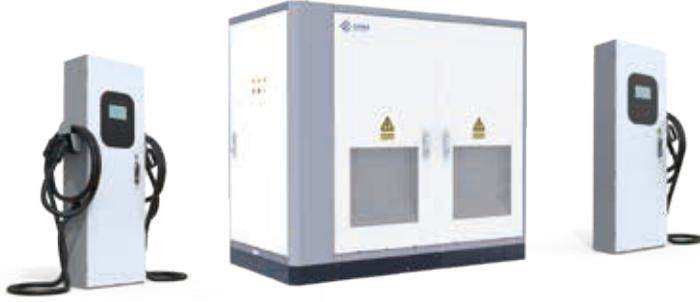
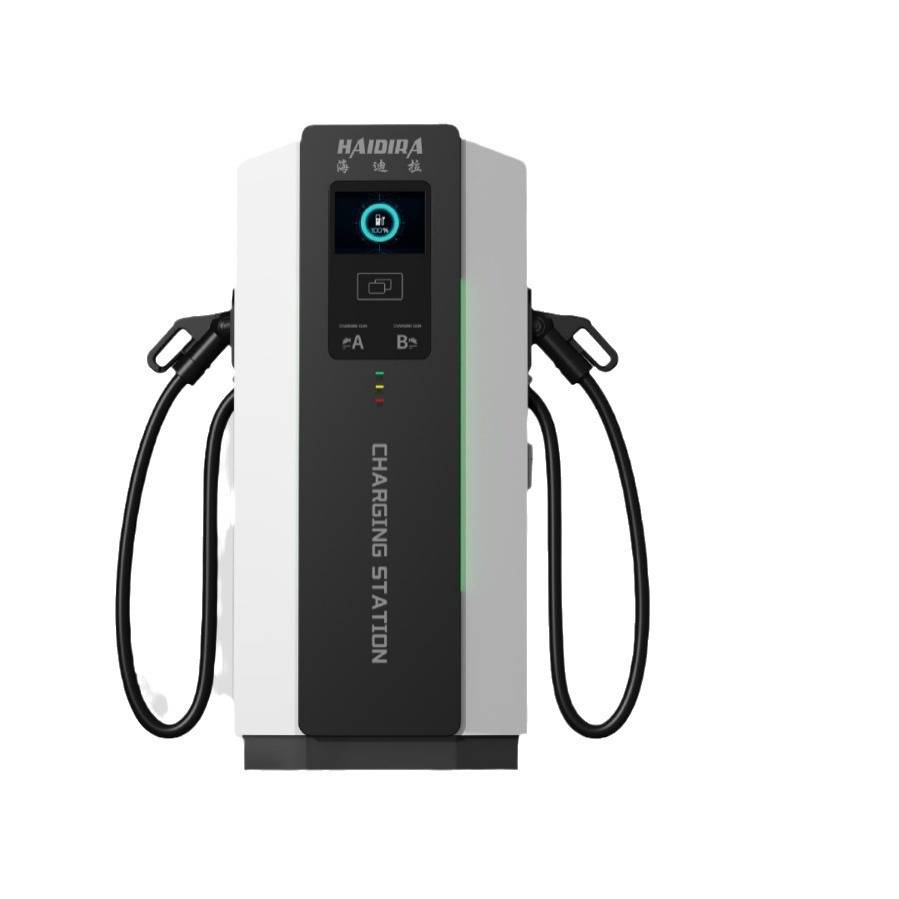
Manufacturer Direct Sales Tesla New Energy Electric Vehicle Universal DC 180kW Dual-gun Charging Pile Commercial Fast Charger
Anhui Haidira Electric Technology Co., Ltd.