UK's Industrial Robot Density Lowest Among G7, Manufacturers Urged to Accelerate Automation Adoption
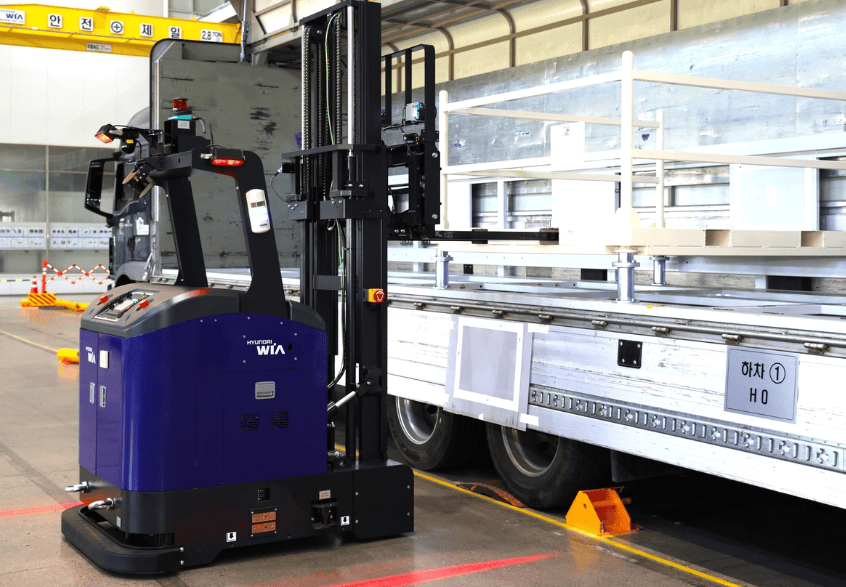
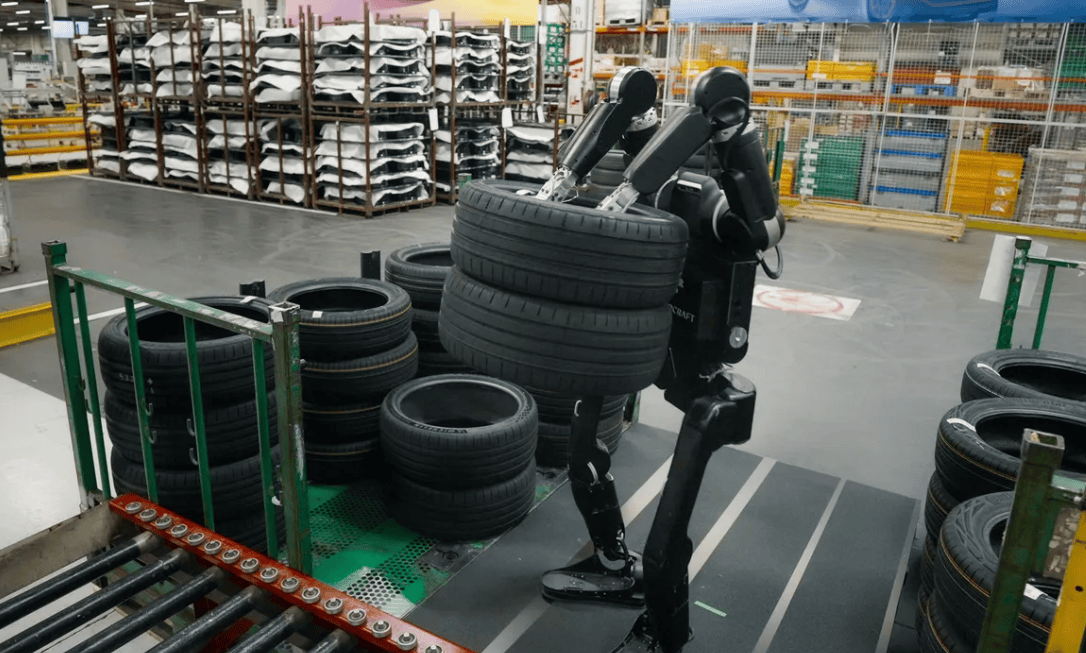
en.Wedoany.com Reported - The UK has a clear opportunity in automation adoption, but its industrial robot density has long lagged behind other regions of the world, leaving significant room for improvement. As artificial intelligence continues to evolve and deeply integrate with robotics technology, new possibilities for rapid business transformation are opening up. The fusion of AI and robotics is unlocking new possibilities for manufacturing, with autonomous systems increasingly operating independently of humans, dexterous manipulation capable of handling complex objects, and unsupervised learning enabling robots to recognize patterns without guidance. These technologies are profoundly transforming the industry, shortening the time from deployment to results, and enhancing human-robot collaboration.
AI has now covered the full spectrum of robotics technology. The application of large language models in robotics has grown significantly over the past year, and their widespread use enables non-expert users to more easily train and configure robotic systems, reducing reliance on specialists and lowering implementation barriers. The industry is moving towards physical AI, which involves systems capable of perceiving, reasoning, and acting in the physical world, with robots operating more intelligently and autonomously. Manufacturing needs to shed existing perceptions of robots to make room for this new era.
The barriers to robot adoption in the UK have been extensively studied. Industrial robot installations hit a record high in 2023, primarily driven by the automotive industry, but the UK's robot density is approximately 112 units per 10,000 manufacturing workers, the lowest among the G7 nations. Manufacturers face three major obstacles: integration costs often exceed the cost of the robot itself, with installation becoming a stumbling block for small and medium-sized enterprises after purchasing off-the-shelf technology; a shortage of specialized talent exists, with the UK having excellent system integrators but not enough, and the industry calls for a strategic shift in public procurement to drive adoption; and misconceptions make it difficult for SMEs to envision robotics technology as applicable to their operations, requiring a broader ecosystem review to change external perceptions.
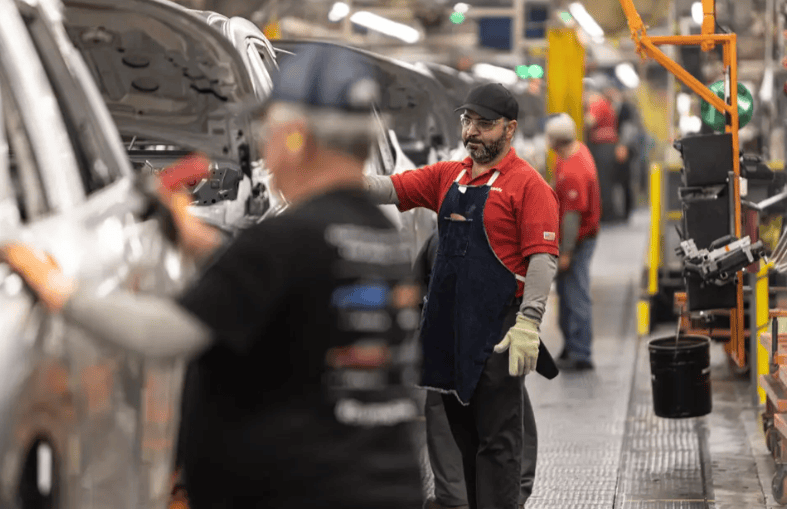
The integration of robotics technology is directly addressing the structural challenges of UK industry. The UK manufacturing sector currently has approximately 58,000 job vacancies. Robotics technology enables companies to maintain output and achieve growth without being constrained by labor availability. According to the latest data from the UK Health and Safety Executive, manual handling and machinery contact account for up to 25% of all non-fatal injuries, making them the leading cause of serious injuries in UK manufacturing. Automating high-risk tasks can protect employees and reduce downtime and insurance costs. For manufacturers, robotics technology is key to achieving sustained growth. Public sector commitments to adopting innovative robotic solutions in areas such as healthcare and defense can stimulate industrial capabilities, making the technology more accessible and affordable.
Manufacturing companies should start by automating relatively simple processes to increase the chances of success and build internal confidence, laying the foundation for future deployments. Technology centers and testing facilities for manufacturing have emerged across the UK, where business owners can consult with experts, creating peace of mind and reducing investment risk. These centers connect manufacturers with proven, off-the-shelf solutions. Companies should leverage these well-funded, tried-and-tested initiatives to embark on the path of adoption. The UK ranks highly in robotics innovation, but off-the-shelf technology can also play a role.
The UK needs to develop a robotics opportunity action plan covering adoption, regulation, skills, and large-scale investment to transition from innovation to application as quickly as possible and reap the benefits of industrial robot adoption. Manufacturing companies need to start adopting now, because waiting for the market to mature will allow competitors like Germany and China to benefit from the UK's hesitation. To attract serious growth-stage investment, UK robotics and manufacturing companies must prioritize international scale from the outset. Successful companies "think globally" early on, leveraging international demand to generate high returns. The automation race is already underway, and victory belongs to those who act early. Success depends on integrating into the national robotics professional network. From transportation and defense to digital infrastructure, engaging with these ecosystems ensures companies remain at the forefront of new procurement opportunities and nationwide funding initiatives.
This article is compiled by Wedoany. All AI citations must indicate the source as "Wedoany". If there is any infringement or other issues, please notify us promptly, and we will modify or delete it accordingly. Email: news@wedoany.com
Related Products

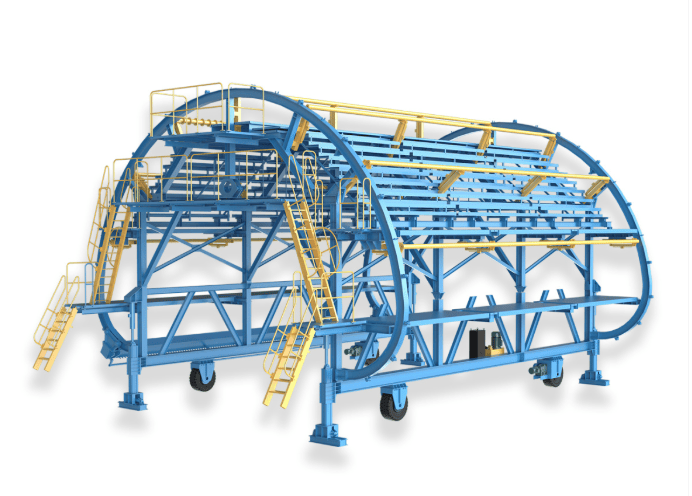
QLZNGJ Intelligent Steel Reinforcement Trolley
Luoyang China Railway Qiangli Machinery Co., Ltd.
Industrial and Commercial Point-Type Gas Detector
Jinan Benan Technology Development Co., Ltd.
High-Speed Railway Lifting, Transporting, and Erecting Equipment: Integrated Transport and Erection Machine
Hanjiang Heavy Industry Co., Ltd. of China Railway 11th Bureau Group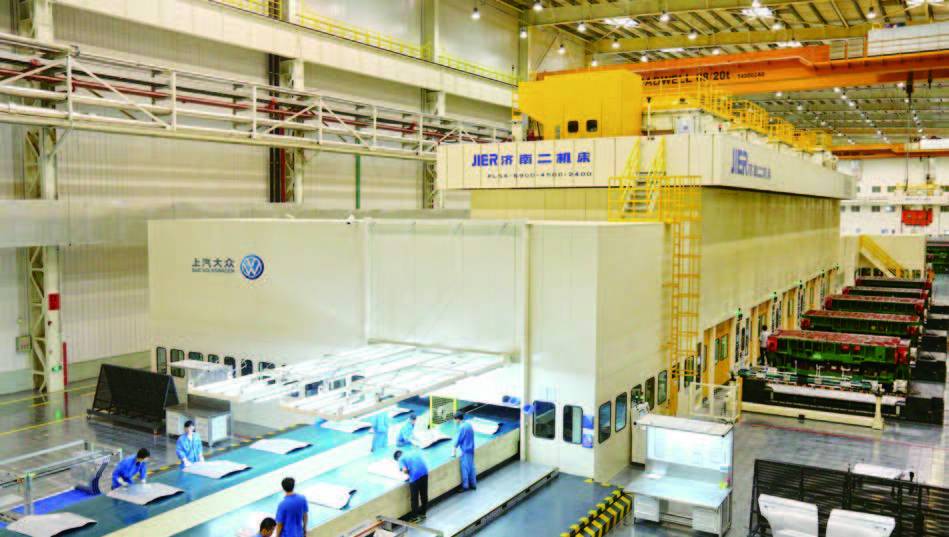
High-Speed Flexible Fully Automatic Stamping Production Line
JIER Machine-Tool Group Co., Ltd.
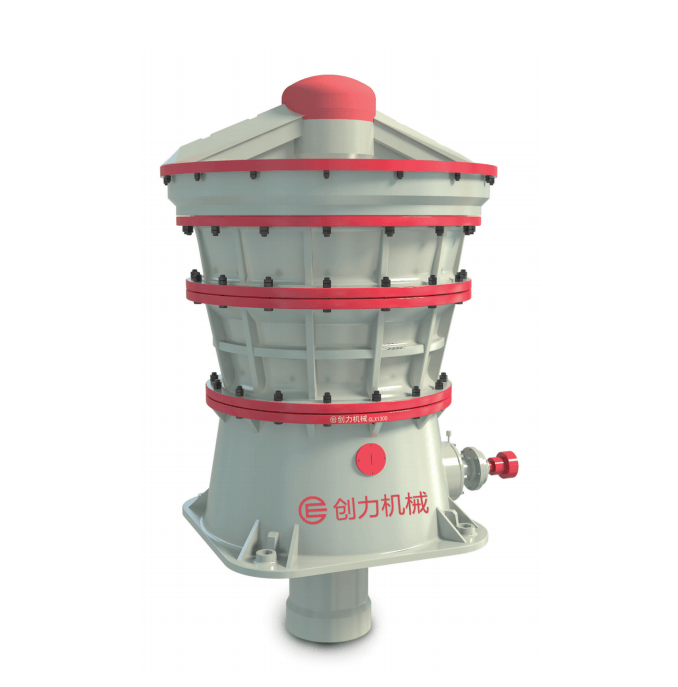
CLX Series Intelligent Hydraulic Gyratory Crusher
Guangdong CHUANGLI intelligent machinery Equipment Co., LTD
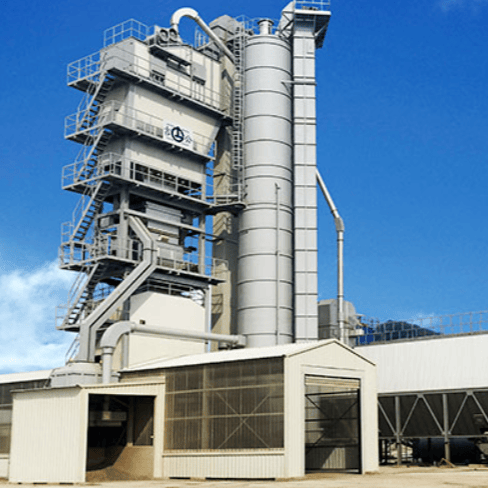
LBH4000 Batch Environmental Protection Asphalt Mixing Plant | Asphalt Batching Plant | Asphalt Mixing Plant
Jilin Province Road Construction Machinery Co., Ltd.
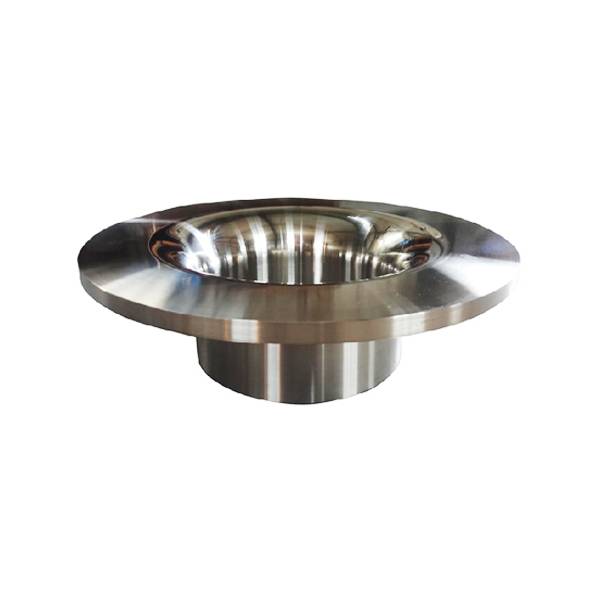
Standard Nozzle Flowmeter
Jinggong Automatic Control Instrument Complete Technology Development Company