vivo Robotics Team Wins ICRA 2026 AGIBOT Challenge
en.Wedoany.com Reported - vivo's PrismBot robotics team won the Reasoning to Action track at the ICRA 2026 AGIBOT World Challenge, held recently in Vienna. The event is part of the IEEE International Conference on Robotics and Automation (ICRA), a leading international conference in the field of robotics.
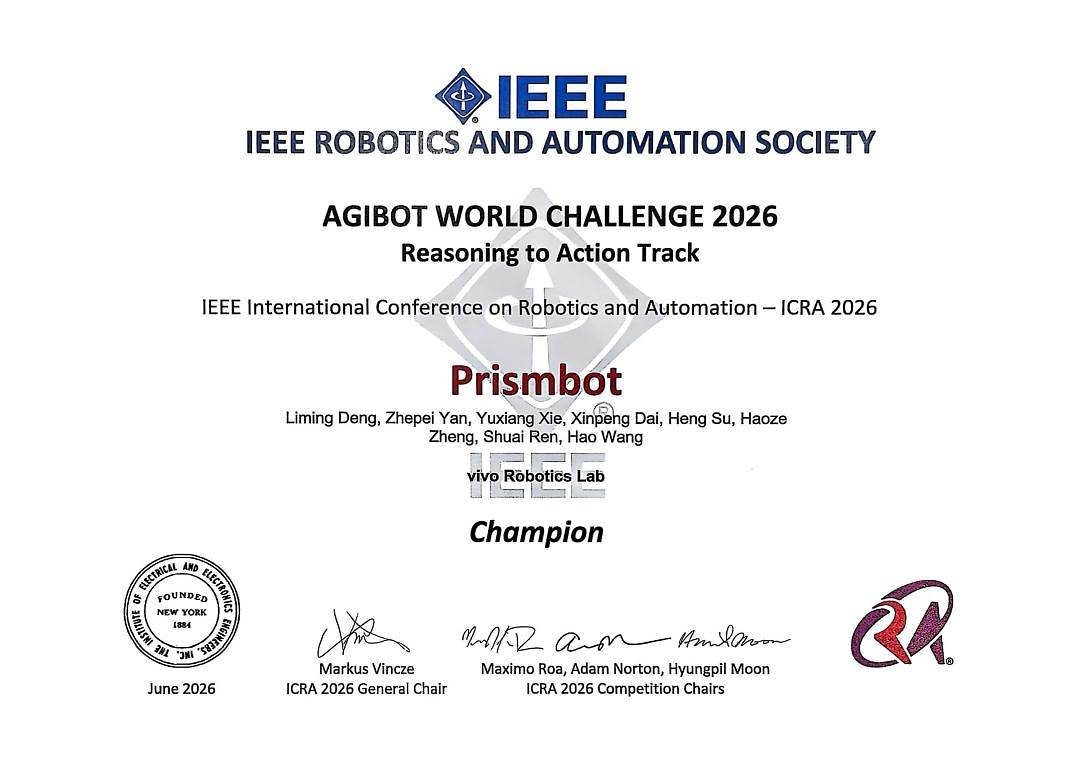
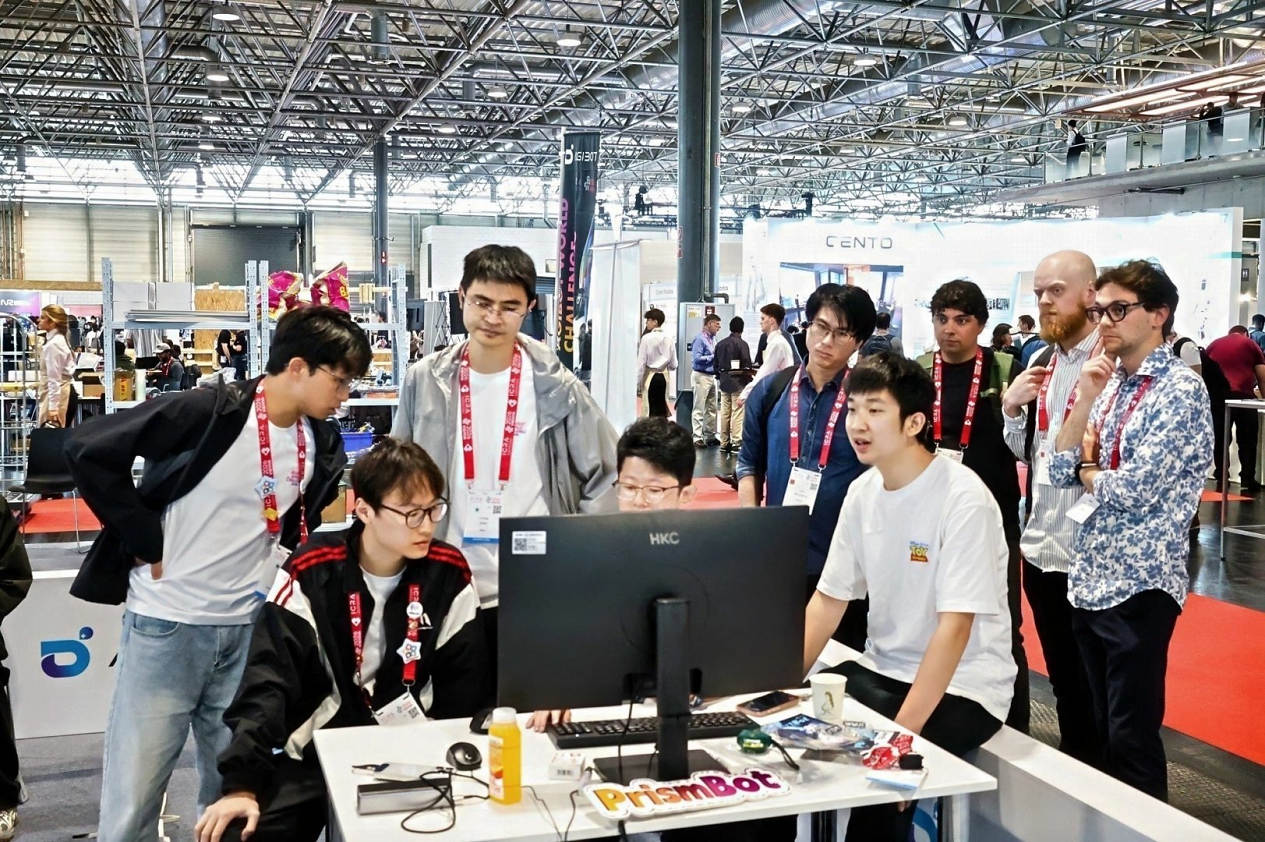
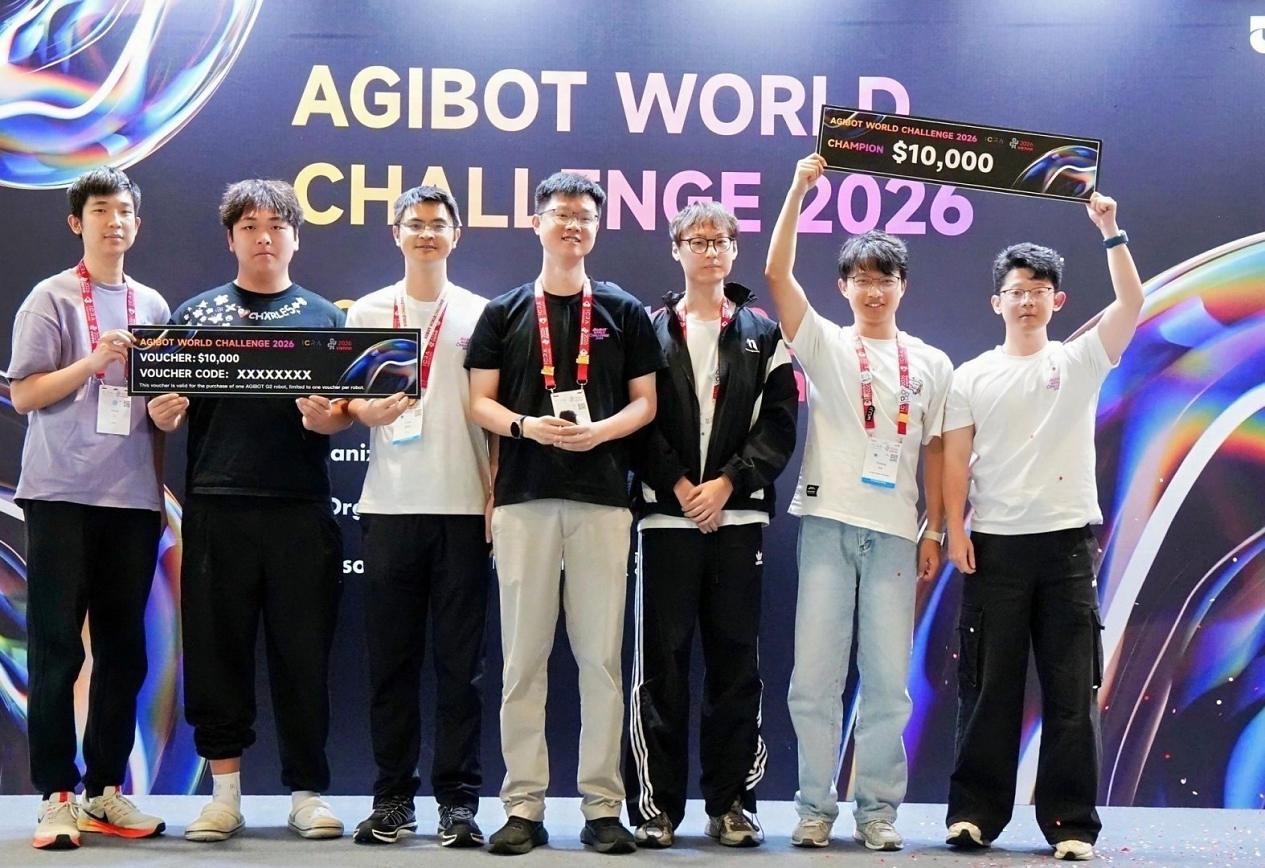
The vivo robotics team secured first place with a decisive advantage in the real-robot finals, demonstrating the strength of its technical approach in translating task understanding into action decisions. The competition attracted 526 teams from 27 countries and regions. The team also received recognition in the Full-Body Control track, ranking among the global top three.
These achievements reflect vivo's established strategy of building perception systems based on imaging technology and developing an AI-driven robotic "brain" to bring intelligent capabilities into the physical world. Hu Baishan, President and Chief Operating Officer of vivo and President of vivo's Central Research Institute, outlined this direction at the Boao Forum for Asia Annual Conference 2026.
The AGIBOT World Challenge, part of ICRA 2026, is one of the most demanding international competitions in the field of embodied intelligence. Its main competition, the Reasoning to Action track, focuses on the core challenge of embodied intelligence: translating task understanding into action decisions. This track combines online simulation evaluation with offline real-robot testing in Vienna, scoring based on task completion rates, long-term stability, and generalization capabilities in complex scenarios within real-world environments. Participating models must independently complete intent understanding, task decomposition, sub-goal sequencing, and anomaly recovery in real environments, translating the decision-making process into physical execution via robotic arms.
To address complex long-horizon tasks and real-world environmental disturbances, the vivo robotics team developed a training and inference framework centered on keyframe optimization and contrastive learning. Keyframe loss weighting helps the model learn critical action points more effectively, while contrastive learning narrows the semantic gap between text-based instructions and physical action execution.
In the concurrently held Full-Body Control track, robots were required to autonomously pick specified products in a realistic supermarket scenario and accurately place them into a shopping cart. The vivo robotics team applied the same Reasoning-to-Action-centered technical system to this scenario, using keyframe loss weighting to improve grasping accuracy and contrastive learning to identify grasping orientations, thereby achieving a top-three finish. This result validates the transferability and engineering robustness of their technical approach across different task types.
vivo believes that robots will become another important entry point for personal and household use following smartphones. The company has chosen the home as the starting point for robotics research and development because the home environment imposes high demands on long-horizon tasks, dual-arm collaboration, fine manipulation, reasoning, and decision-making. The vivo robotics team is progressing from teleoperation towards autonomous intelligence, gradually improving the executability and scalable validation of complex tasks. Leveraging its experience in device systems, imaging capabilities, and global product development, vivo is building a robotics capability system that integrates software and hardware and evolves with the times.
This article is compiled by Wedoany. All AI citations must indicate the source as "Wedoany". If there is any infringement or other issues, please notify us promptly, and we will modify or delete it accordingly. Email: news@wedoany.com
Related Products


Industrial and Commercial Point-Type Gas Detector
Jinan Benan Technology Development Co., Ltd.
LBH4000 Batch Environmental Protection Asphalt Mixing Plant | Asphalt Batching Plant | Asphalt Mixing Plant
Jilin Province Road Construction Machinery Co., Ltd.
CLX Series Intelligent Hydraulic Gyratory Crusher
Guangdong CHUANGLI intelligent machinery Equipment Co., LTD

CAP1400 main feedwater flow nozzle flowmeter.
Jiangsu Hongda Instrument Technology Co., LTD.
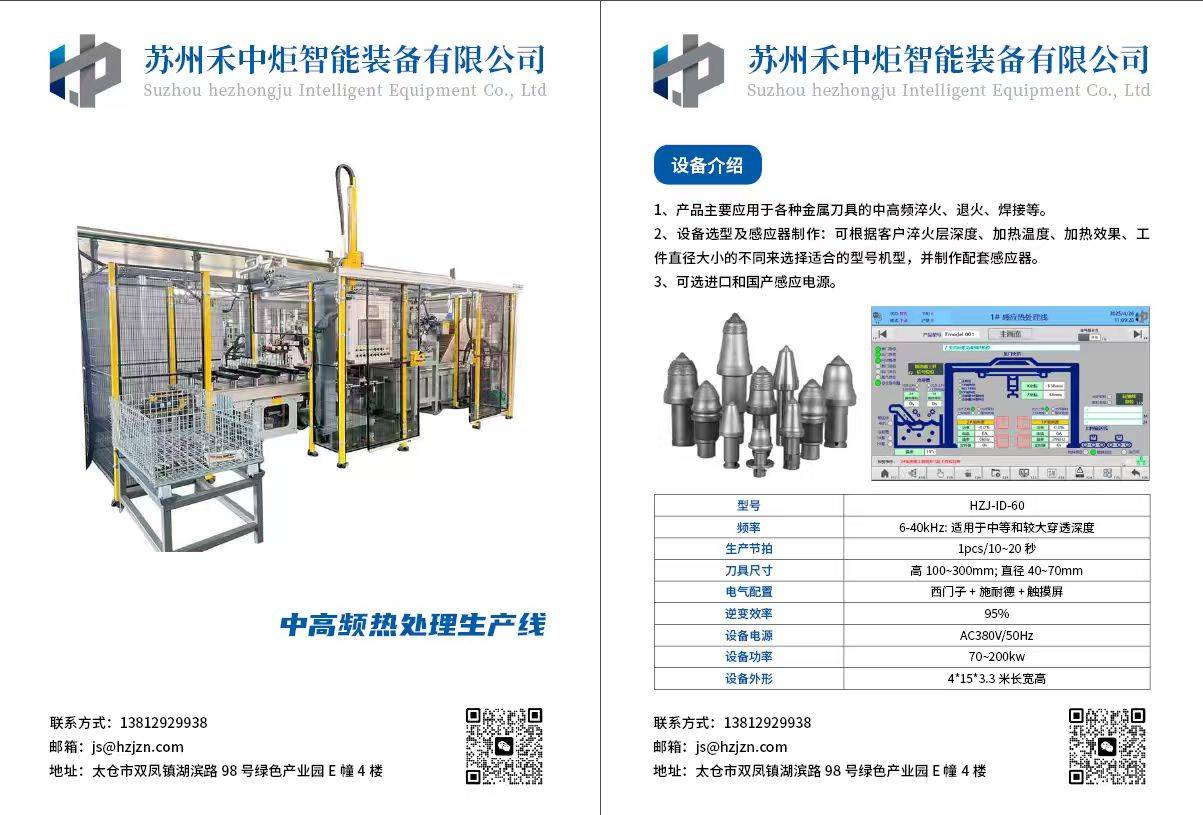
Excavator Bucket Teeth Heat Treatment Production Line
Suzhou Hezhongju Intelligent Equipment Co., Ltd.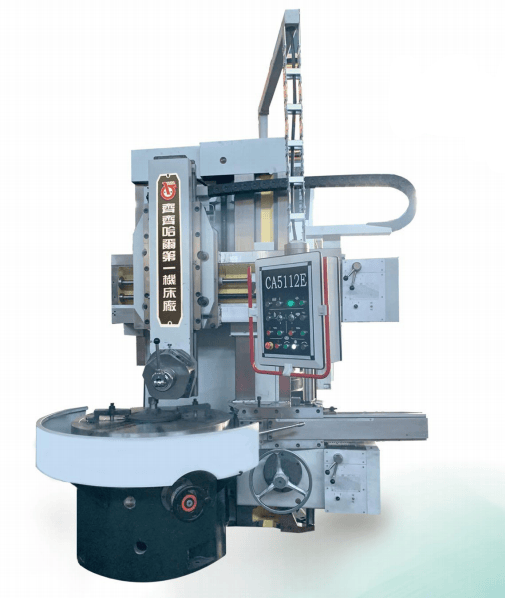

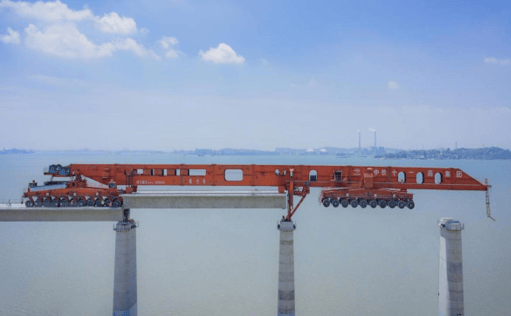
High-Speed Railway Lifting, Transporting, and Erecting Equipment: Integrated Transport and Erection Machine
Hanjiang Heavy Industry Co., Ltd. of China Railway 11th Bureau Group