en.Wedoany.com Reported - ABB has launched a pre-designed modular synchronous condenser unit aimed at addressing grid stability challenges brought about by the proliferation of AI and shortening deployment times.
AI is reshaping the data center landscape, but its impact on energy systems is most direct. As electricity demand surges sharply and becomes more unpredictable, maintaining grid stability is emerging as a core issue.
As operators race to deploy new AI capabilities, the focus is shifting from servers and racks to the strength and responsiveness of the underlying power infrastructure. ABB's new solution is designed to operate at grid connection points, directly addressing these challenges.
The system provides instantaneous inertia and dynamic reactive power, helping to stabilize voltage and frequency in real time. In practice, this enables it to absorb sudden load changes and limit the risk of wider network disturbances.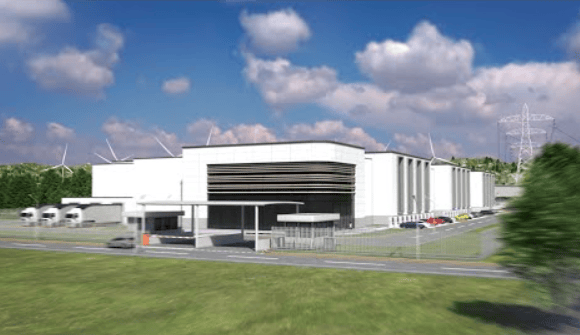
David Bjerharg, Business Line Manager at ABB, stated that as data centers become more prevalent and AI-driven demand grows, grid stability is becoming a fundamental requirement for continued expansion. This solution enables operators to connect faster, operate reliably from day one, and scale with confidence.
The expansion of AI data centers is placing increasing pressure on power grids, which must remain stable amid severe and sudden load changes. Industry forecasts indicate that data center capacity could nearly quadruple by 2030, intensifying the need for grid reinforcement and smarter energy management. Unlike traditional workloads, AI-driven processes can cause rapid spikes and drops in power usage. This variability can strain grid infrastructure and make it more difficult for new developments to secure timely grid access.
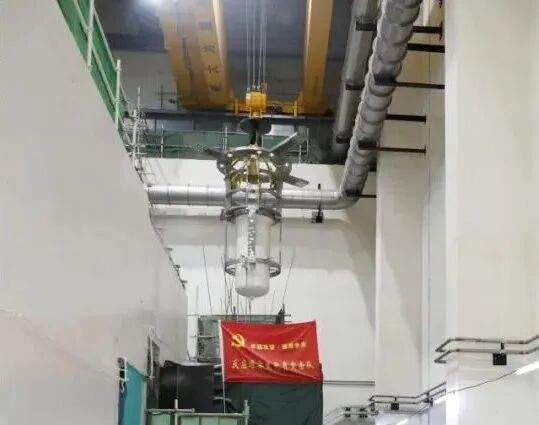
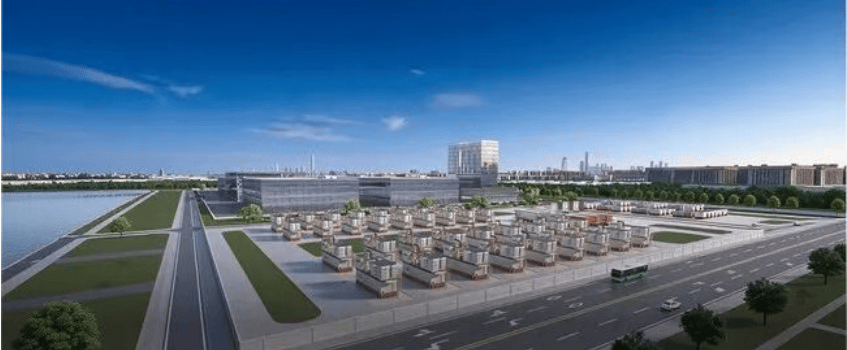
A defining aspect of this solution is its modular, pre-designed nature, aligning with the need for rapid deployment of energy infrastructure. Instead of coordinating multiple suppliers, operators receive a fully integrated package combining mechanical, electrical, and control systems. The standardized system includes a predefined foundation, synchronous condenser, flywheel, starting system, lubrication system, configurable cooling options, auxiliary equipment, and an electrical house, with an optional acoustic enclosure.
This integrated design helps reduce the complexity typical of large-scale power infrastructure projects. The single-source delivery model can streamline procurement, installation, and project management while reducing on-site construction requirements. ABB states that this model can accelerate installation timelines and simplify the path from planning to operational readiness. The flywheel assembly is specifically designed to support grid stability and includes an integrated safety enclosure, eliminating the need for additional external barriers.
ABB positions the synchronous condenser unit as a way to address grid stability issues early in the development cycle, helping operators align energy infrastructure with rapid capacity expansion. According to the company, this can support faster project delivery, smoother grid approval processes, and more predictable planning outcomes. As campuses expand and AI workloads intensify, operators can add capacity without completely overhauling core power systems. As AI's energy demands continue to grow, ABB's latest solution focuses on ensuring the grid can adapt quickly enough to support sustained, large-scale digital infrastructure growth.
This article is compiled by Wedoany. All AI citations must indicate the source as "Wedoany". If there is any infringement or other issues, please notify us promptly, and we will modify or delete it accordingly. Email: news@wedoany.com