Swiss ABB Launches Three NINVA Non-Intrusive Temperature Measurement Solutions
en.Wedoany.com Reported - Swiss ABB has expanded its NINVA non-intrusive temperature measurement portfolio with the launch of three new solutions: NINVA Integrated, NINVA Remote, and NINVA Compact. These are designed to meet the demanding safety and precision requirements of various applications in the oil and gas, chemical, power utility, and marine industries.
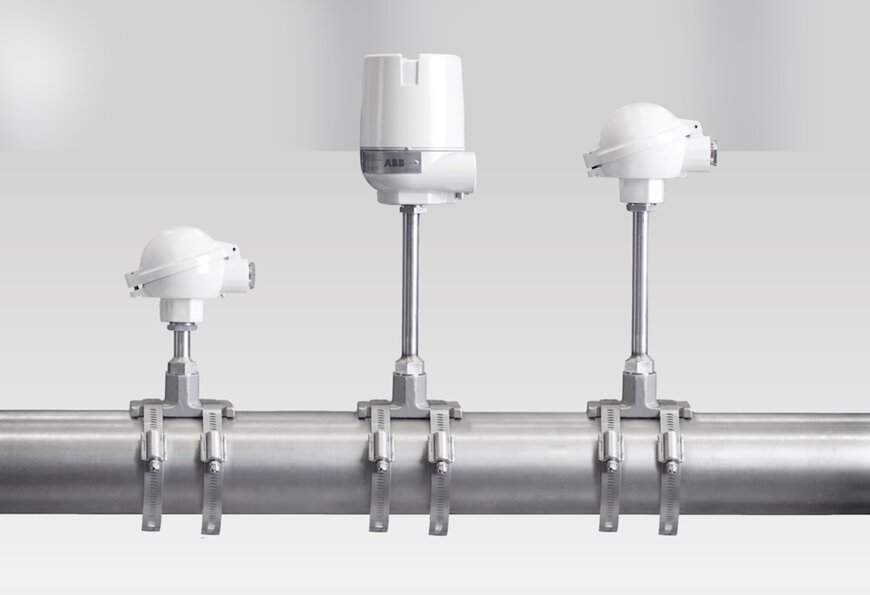
Unlike traditional intrusive thermowell solutions, the NINVA system clamps directly onto the outer diameter of the process pipe, allowing plant operators to obtain accurate process temperature readings without cutting, welding, or maintaining thermowells. The system infers internal fluid conditions by measuring the pipe surface temperature, providing the same accuracy and response performance as traditional intrusive devices. This non-intrusive design reduces initial design and engineering overhead, lowering material, site inspection, and installation costs compared to thermowell solutions, and can reduce engineering workload and associated capital expenditure by up to 75%. Additionally, this platform is the first non-intrusive temperature transmitter to achieve functional safety SIL2 certification.
The expanded portfolio includes three dedicated system variants. The NINVA Integrated is developed for the chemical and oil and gas industries, suitable for metal pipes with nominal diameters from DN15 to DN2500 (1/2 inch to 100 inches), and ideal for brownfield plant upgrades where process shutdowns and hot work permits are costly. The NINVA Remote is designed to monitor high-temperature and hard-to-reach deployment points in power plants and utility facilities, particularly steam networks and high-temperature gas environments exceeding 400°C. Its mechanical structure can withstand heavy industrial vibrations up to 2g and connects to the ABB TTF300-N field-mounted transmitter. The NINVA Compact is certified for marine applications, designed for space-constrained mechanical equipment environments, capable of withstanding vibrations up to 4g, and suitable for smaller pipe geometries of DN15 and above, skid-mounted systems, and mobile assets.
The high accuracy of the NINVA platform is achieved through a dual-sensor architecture combined with a thermal correction algorithm. The hardware includes two independent resistance temperature detectors: a primary contact sensor records the outer surface temperature of the pipe, and a secondary reference sensor tracks the ambient temperature within the connection head, both using thin-film Pt100 platinum resistors compliant with IEC 60751 Class A accuracy specifications. The integrated electronic transmitter contains local firmware running a conjugate heat transfer correction algorithm that considers ambient air conditions, local insulation status, and the thermal resistance characteristics of the metal pipe wall. It compensates for ambient cooling effects by processing variables in real-time and mathematically infers the internal fluid temperature. The standard model has a measurement range of -40°C to 400°C, while the extended remote sensor variant can operate up to 550°C. Mechanical components use industrial connection heads made of epoxy-coated aluminum or 316L stainless steel, with protection ratings of IP66 or IP67. Process integration is achieved through a dedicated clamp-type bracket, eliminating the risks of structural stress, dynamic bending, and vortex-induced vibration failure associated with thermowell probes directly inserted into high-speed pipe flow. The system supports standard 4-20 mA analog signals with digital HART 7 protocol, enabling remote configuration, diagnostic fault tracking compliant with NAMUR NE107 guidelines, and integration with central distributed control systems.
This article is compiled by Wedoany. All AI citations must indicate the source as "Wedoany". If there is any infringement or other issues, please notify us promptly, and we will modify or delete it accordingly. Email: news@wedoany.com
Related Products

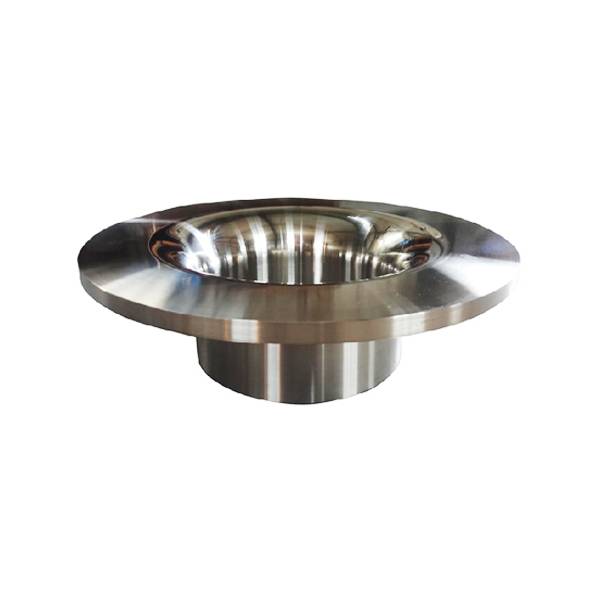
Standard Nozzle Flowmeter
Jinggong Automatic Control Instrument Complete Technology Development Company



LBH4000 Batch Environmental Protection Asphalt Mixing Plant | Asphalt Batching Plant | Asphalt Mixing Plant
Jilin Province Road Construction Machinery Co., Ltd.

Industrial and Commercial Point-Type Gas Detector
Jinan Benan Technology Development Co., Ltd.
Strip Coating and Plating Production Line Equipment
MCC-SFRE HEAVY INDUSTRY EQUIPMENT CO., LTD.