Walter USA Launches New Turning Grades WMP20G and WMP30G
en.Wedoany.com Reported - Walter USA has introduced the Tiger·tec Gold turning grades WMP20G and WMP30G, designed to address the stability requirements in stainless steel machining and the toughness demands in steel cutting, overcoming the limitations of standard steel turning grades that are prone to fracture under such conditions.
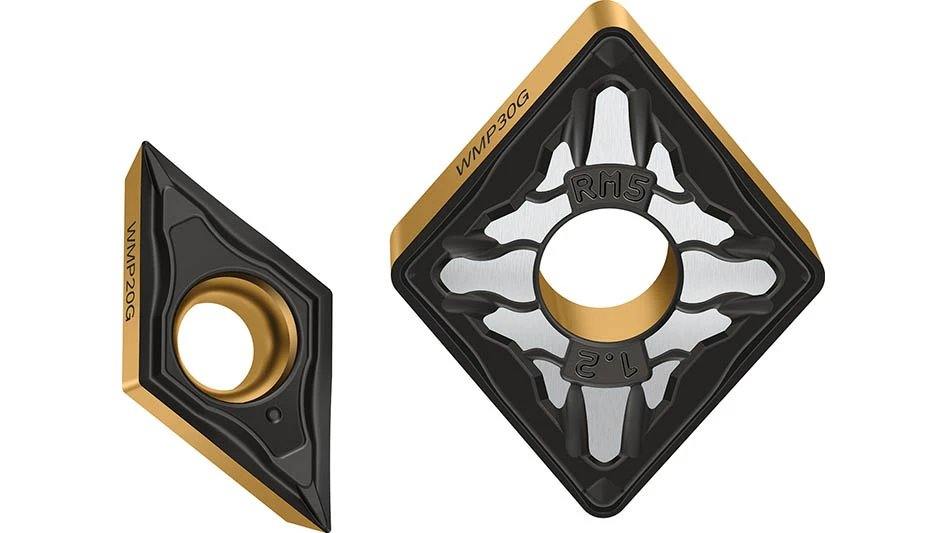
The core of this series lies in a highly textured medium-temperature titanium carbonitride (MT-TiCN) coating, which achieves high wear resistance through this structure. The outer layer of the coating consists of highly textured aluminum oxide (Al₂O₃), providing high-temperature protection. The new gradient substrate at the cutting edge offers high toughness, absorbing impact forces from chips. A dual post-treatment process further reduces surface roughness.
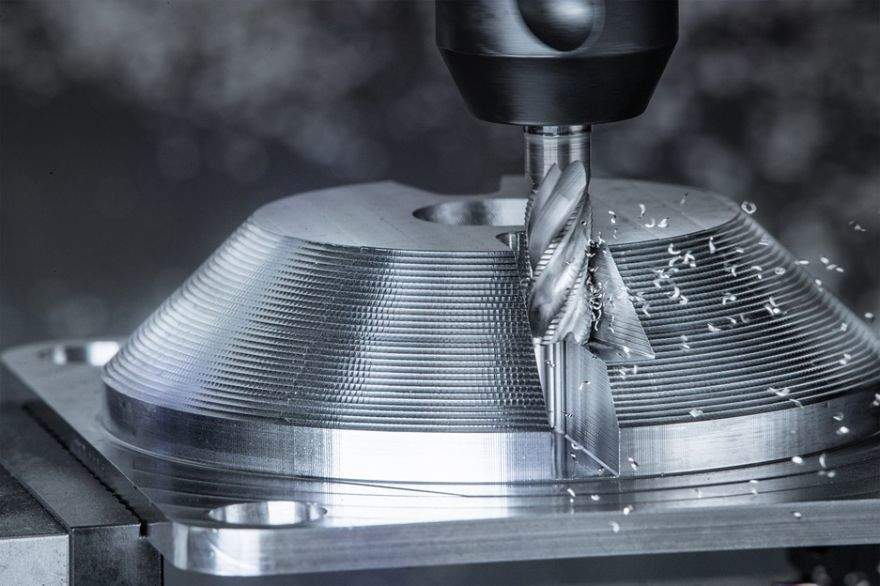
WMP20G excels in machining austenitic, duplex, and ferritic/martensitic stainless steels, primarily targeting general-purpose applications in medium to high-speed cutting. Its intended processing range mainly covers stainless steel and steel (ISO M and P material groups), while also extending to difficult-to-machine materials (ISO S material group).
WMP30G focuses more on machining austenitic, duplex, and ferritic/martensitic stainless steels, suitable for challenging components such as non-circular parts, welds, or armor plates. This grade operates in the low to medium-speed cutting range, primarily addressing stainless steel and steel, and can also be used in difficult-to-machine material scenarios.
For ferritic and martensitic stainless steels (with chromium content of 12% to 30%), it is recommended to use wear-resistant grades such as WPP..G or WMP..G for processing, as their material properties are close to ISO P classification. Austenitic and duplex stainless steels have chromium and nickel contents of 12% to 28% and 4% to 35%, respectively. Turning such materials requires positive chip breakers and high toughness support, which are typical advantages of WMP..G and WSM grades.
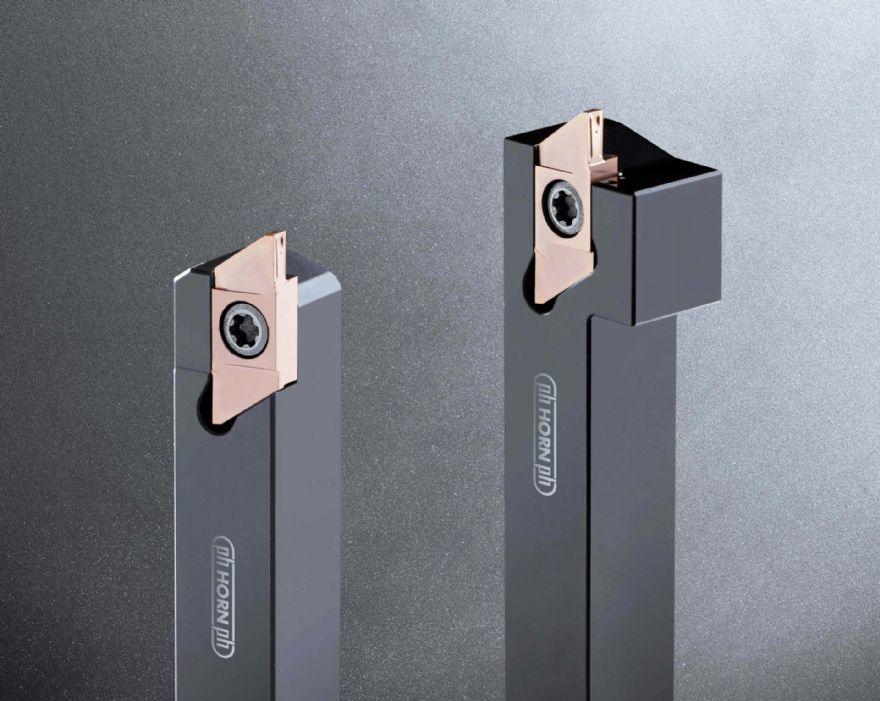
The product offers various geometries, including negative basic forms (FM5, MS3, MM5, MU5, MW5, RM5, RM7, and HU5), positive basic forms (FM2, FM4, FM6, MM4, and RM4), and the WL contour turning system (FM4 and MM4).
This article is compiled by Wedoany. All AI citations must indicate the source as "Wedoany". If there is any infringement or other issues, please notify us promptly, and we will modify or delete it accordingly. Email: news@wedoany.com
Related Products
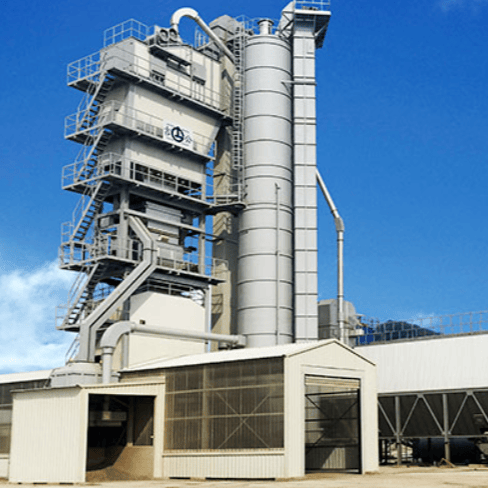

LBH4000 Batch Environmental Protection Asphalt Mixing Plant | Asphalt Batching Plant | Asphalt Mixing Plant
Jilin Province Road Construction Machinery Co., Ltd.
CAP1400 main feedwater flow nozzle flowmeter.
Jiangsu Hongda Instrument Technology Co., LTD.

Industrial and Commercial Point-Type Gas Detector
Jinan Benan Technology Development Co., Ltd.

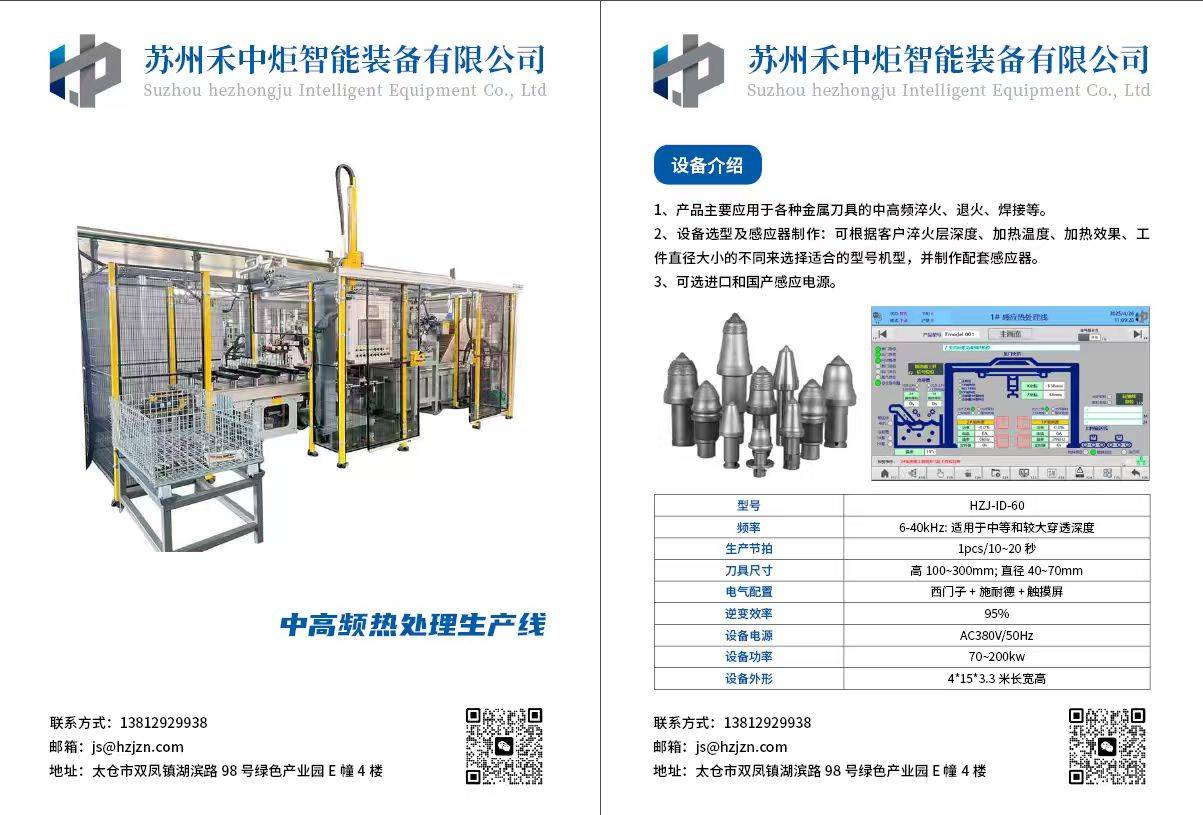
Excavator Bucket Teeth Heat Treatment Production Line
Suzhou Hezhongju Intelligent Equipment Co., Ltd.