Maruti Suzuki Plans $4 Billion Investment to Expand Capacity to 3.65 Million Units
en.Wedoany.com Reported - On August 9, Indian automaker Maruti Suzuki announced its growth plan for the next five years, projecting that annual domestic passenger vehicle sales in India will rise to 6.1–6.3 million units by fiscal year 2030/31. To capitalize on the recovery in demand for small cars and growth in the sports utility vehicle market, the company plans to invest approximately 350 billion rupees (about $4 billion) to increase its annual production capacity to 3.65 million units.
Maruti Suzuki expects the small car market to expand faster over the next five years than in the previous five, with sports utility vehicles remaining the primary source of growth. Based on this outlook, the company is reassessing its original growth targets and anticipates that cumulative sales will reach the next 1 million unit increase ahead of the original schedule.
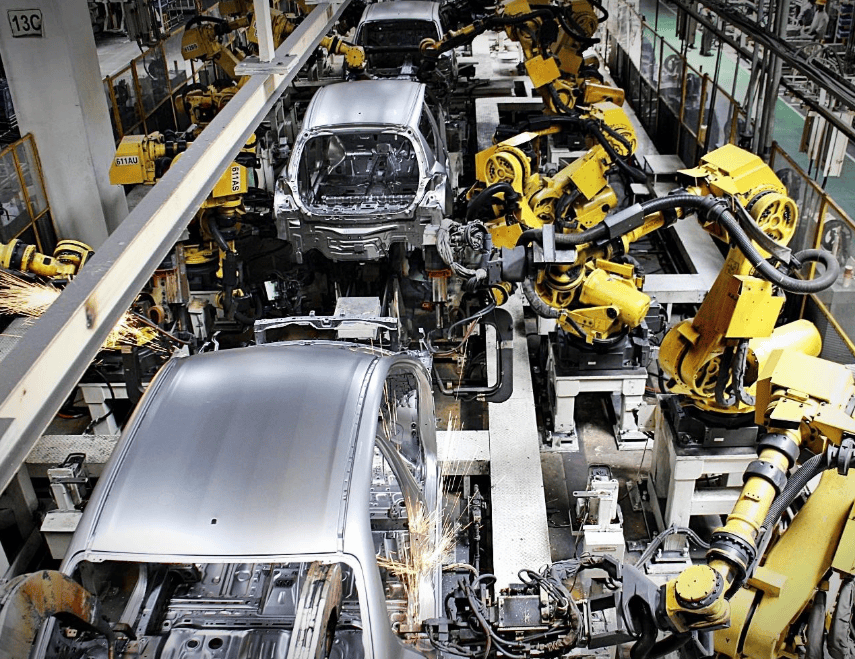
Capacity expansion will proceed in tandem with the existing manufacturing system. Maruti Suzuki sold 2.42 million vehicles in fiscal year 2025/26, including 447,000 exports; during the same period, vehicle production exceeded 2.34 million units, setting a new annual record for the company. In fiscal year 2026/27, the company has added 500,000 units of manufacturing capacity, and subsequent investments will continue to push capacity toward the 3.65 million unit target.
On the product front, the strategy will center on two tracks: small cars and sports utility vehicles. Maruti Suzuki plans to launch seven sports utility vehicles over the next five to six years, while strengthening parts localization, alternative sourcing, and supplier capability building to shorten model development cycles and reduce production risks arising from supply chain volatility.
In terms of clean energy initiatives, the company's board has approved an initial investment of 5.61 billion rupees to build four biogas plants to support its compressed natural gas vehicle business. Market expansion, manufacturing capability enhancement, and new model launches will constitute Maruti Suzuki's primary growth strategy for the next five years.
Related Products
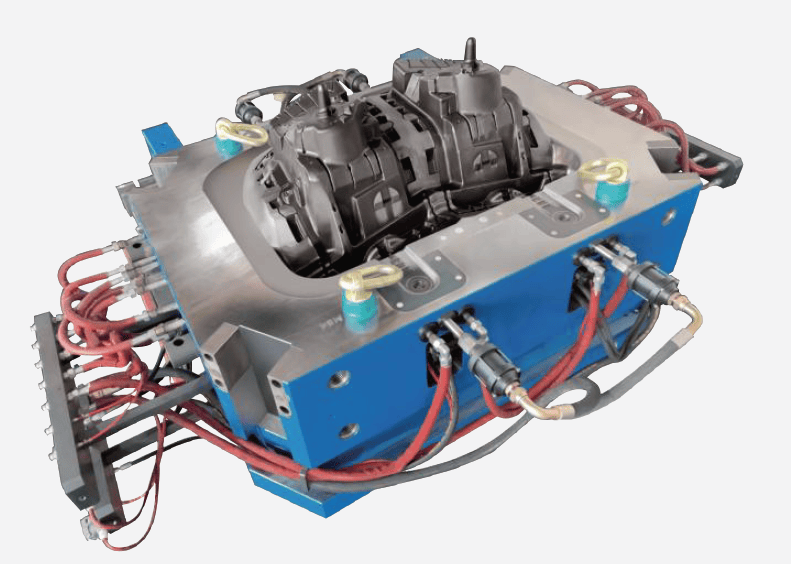

Aluminum-Magnesium Alloy High-Pressure Die-Casting Molds
NINGBO HELI TECHNOLOGY CO., LTD.
Pneumatic high-pressure wear-resistant ball valve
Zhejiang Deca Control Valve Meter Co., Ltd.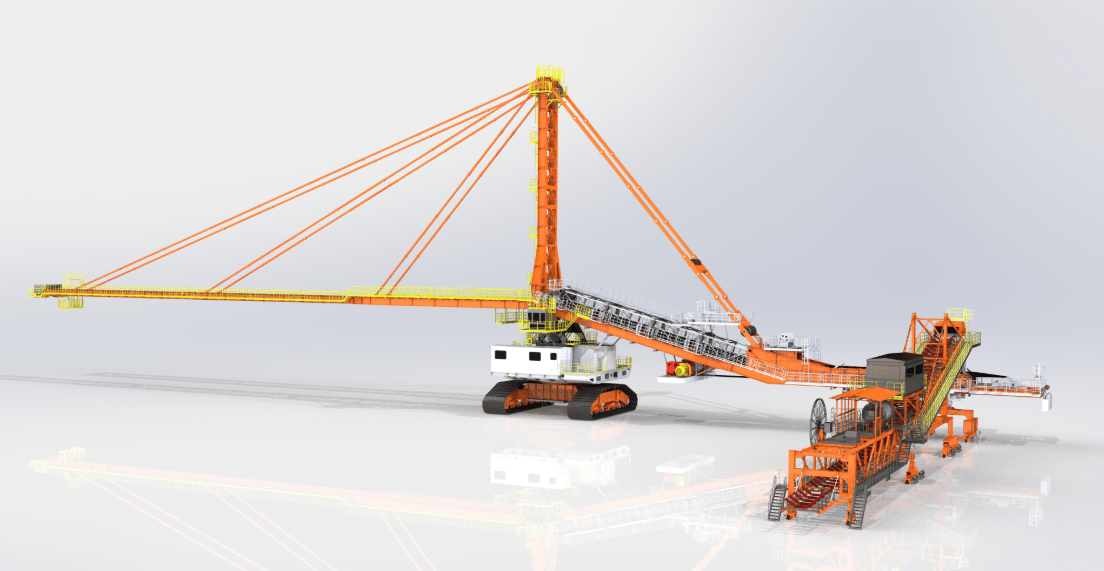

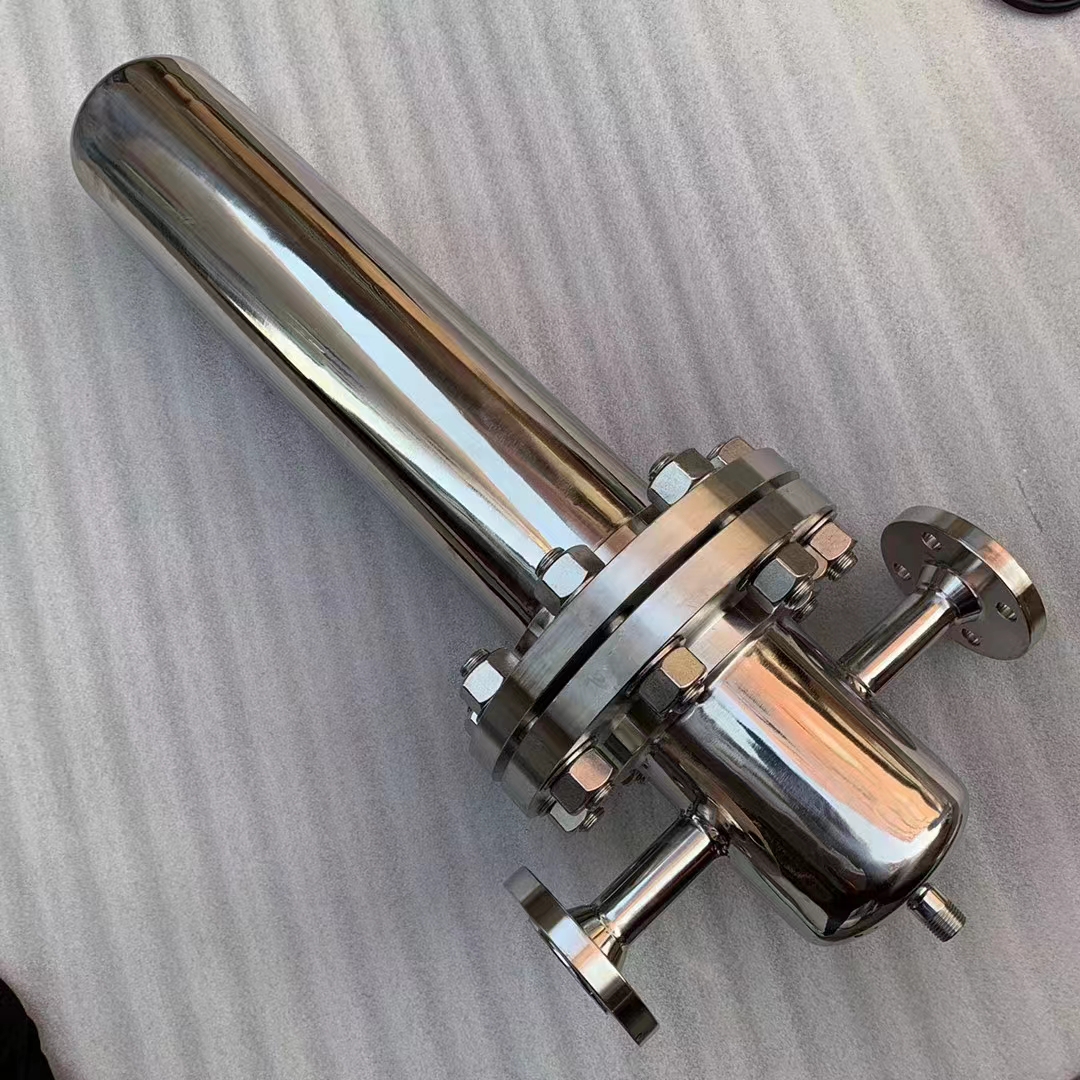


Industrial and Commercial Point-Type Gas Detector
Jinan Benan Technology Development Co., Ltd.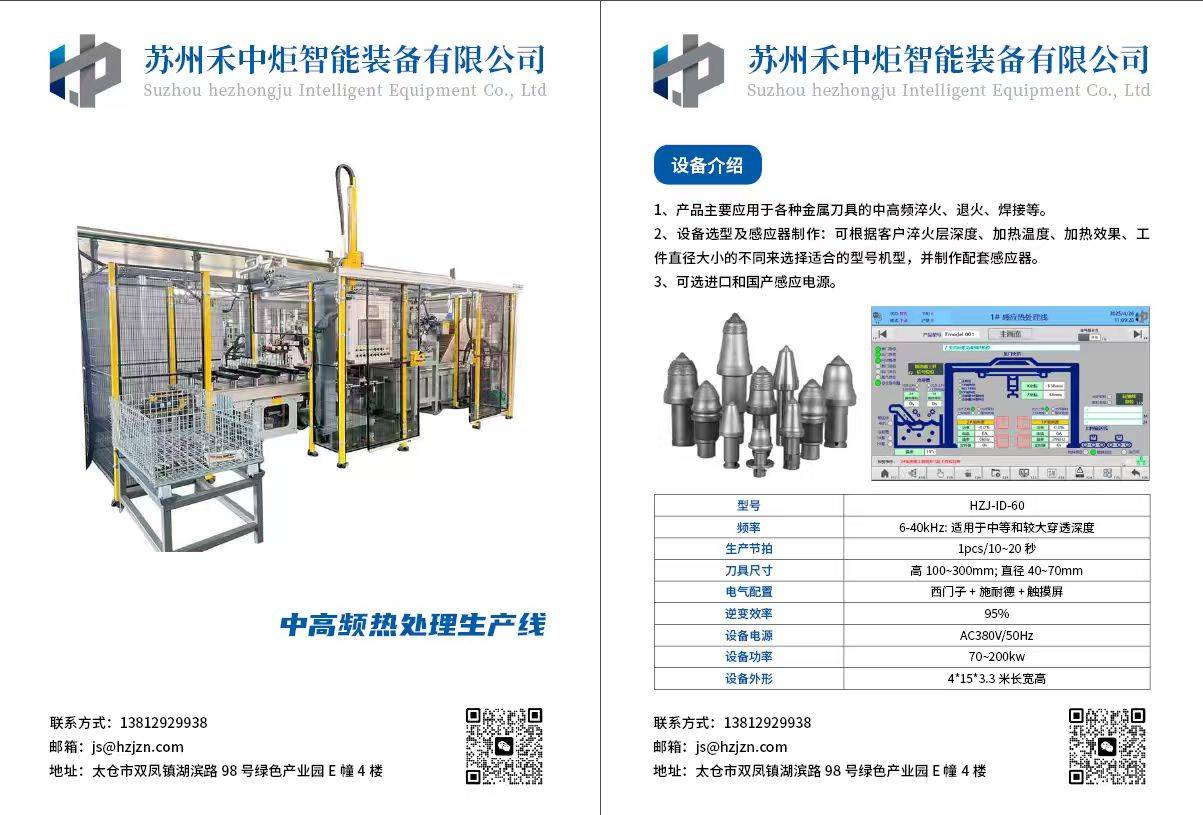
Excavator Bucket Teeth Heat Treatment Production Line
Suzhou Hezhongju Intelligent Equipment Co., Ltd.
CAP1400 main feedwater flow nozzle flowmeter.
Jiangsu Hongda Instrument Technology Co., LTD.
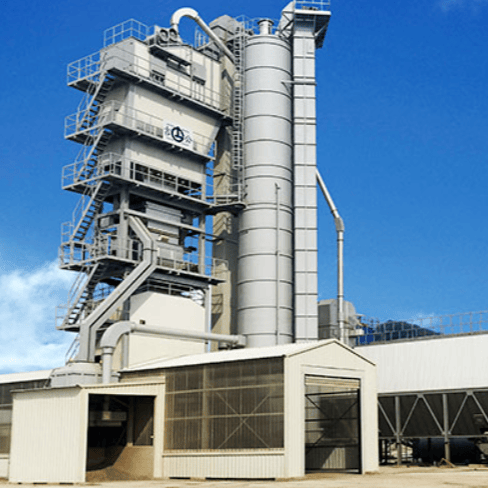
LBH4000 Batch Environmental Protection Asphalt Mixing Plant | Asphalt Batching Plant | Asphalt Mixing Plant
Jilin Province Road Construction Machinery Co., Ltd.