Qnity Launches Two Advanced AI Packaging Materials, to Debut in 2026
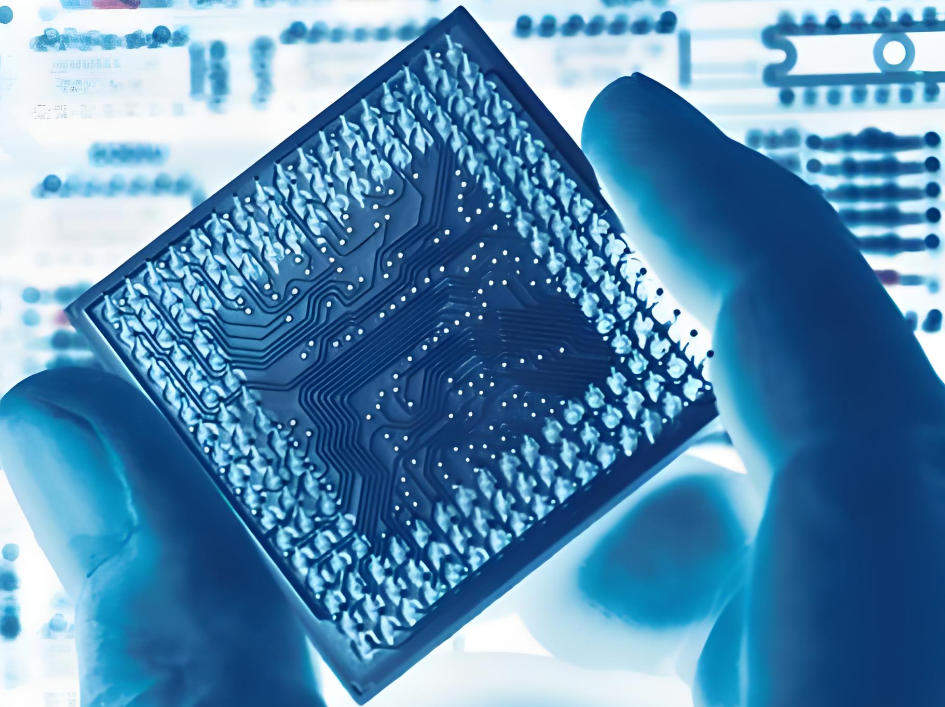
en.Wedoany.com Reported - Qnity Electronics has launched two advanced packaging materials for next-generation semiconductor packaging applications, targeting AI, high-performance computing, and advanced connectivity systems. The newly released Intervia™ 8540HSP multifunctional copper and Cyclotene™ DF6800M dry film photo-imageable dielectric materials are developed for organic interposer design, redistribution layers (RDL), and emerging glass substrate architectures.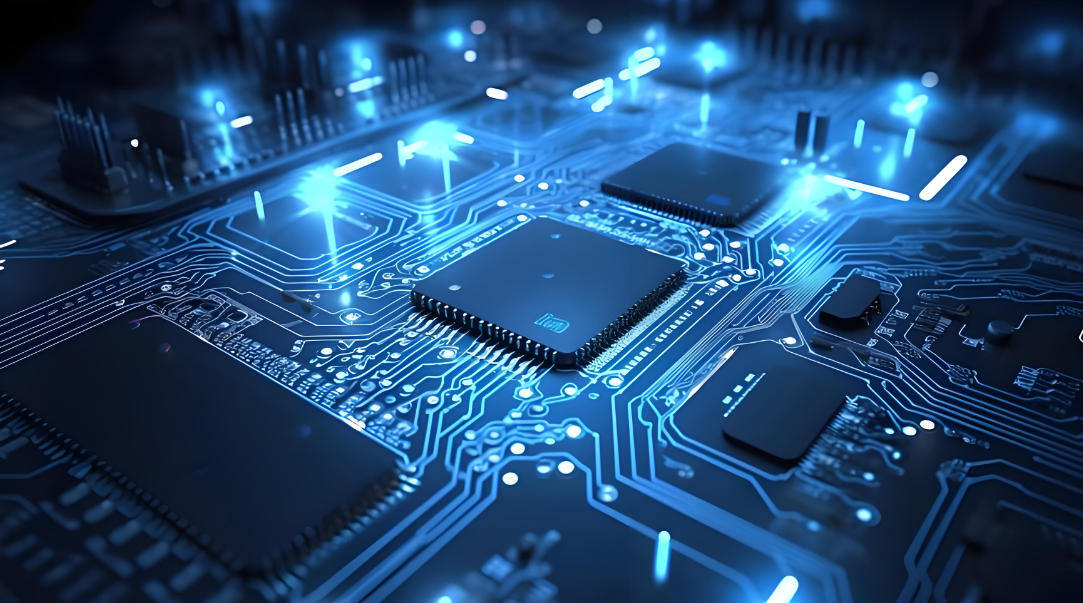
As AI accelerators increasingly rely on advanced packaging rather than pure transistor scaling, the industry's demand for higher interconnect density is rising. Intervia 8540HSP copper is specifically designed for micro-bump and copper redistribution layer (Cu-RDL) applications in AI GPUs and other high-performance devices. Qnity states that the material offers high-purity copper deposition, strong on-chip uniformity, and strict surface variation control to support fine-pitch interconnect formation and improve manufacturing consistency.
The company's Cyclotene DF6800M dry film dielectric material is optimized for glass core substrates and glass interposers. The material supports fine-feature patterning, planarization of patterned surfaces, and multi-layer stacking processes required for advanced packaging. Its photo-imageable, aqueous-developable chemistry and dry film form are designed to enable scalable manufacturing of high-density packaging structures.
Both products will be showcased at JPCA Show 2026 in Tokyo. Application areas include micro-bump and Cu-RDL metallization, AI GPU and high-performance processor packaging, fine-feature patterning and planarization, and wafer-level and panel-level advanced packaging assembly. Chuck Xu, President of the company's Interconnect Solutions division, stated that as semiconductor architecture shifts from shrinking to stacking, the company is focused on driving this transformation through advanced materials, providing customers with advantages in performance, yield, and long-term reliability. This product launch aligns with the industry trend of viewing advanced packaging as a key performance driver for AI systems. As GPU and accelerator suppliers seek higher bandwidth, lower power consumption, and greater package-level integration, technologies such as chiplets, 2.5D packaging, organic interposers, and emerging glass substrates are becoming increasingly important. The introduction of materials optimized for glass interposers aligns with the industry's growing interest in glass substrates. Major ecosystem players such as Intel, Samsung Electronics, and TSMC have previously emphasized that glass, due to its dimensional stability and ability to support higher interconnect density, has the potential to become a long-term successor to traditional organic substrates in large AI packages.
This article is compiled by Wedoany. All AI citations must indicate the source as "Wedoany". If there is any infringement or other issues, please notify us promptly, and we will modify or delete it accordingly. Email: news@wedoany.com
Related Products



Multi-function Marine Monitoring Low-altitude Detection Radar Sea-air Boundary Ocean Dynamic Environment Measurement
Chengdu Dixin Technology Co., Ltd.


Hot Selling 10 Inch Intel N5100 I5 I7 FHD 8 +128GB 16+256GB Win10 Pro Win11 Pro 4G 5G Rugged Tablet PC Pad with NFC Barcode
Highton Electronics Co., Ltd.
20 Inch 1600*900 Full HD 60Hz TFT LED Monitor with VGA and DP Interfaces for Desktop Computers-Business Use
Guangzhou Zanying Optoelectronics Technology Co., Ltd.

MUX Series Communication Interface Device for Security and Stability Control System
Nanjing NR Electric Co., Ltd.