Canada's Trillium Supercomputing Center, Valued at Nearly CAD 200 Million, Houses 240,000 Cores
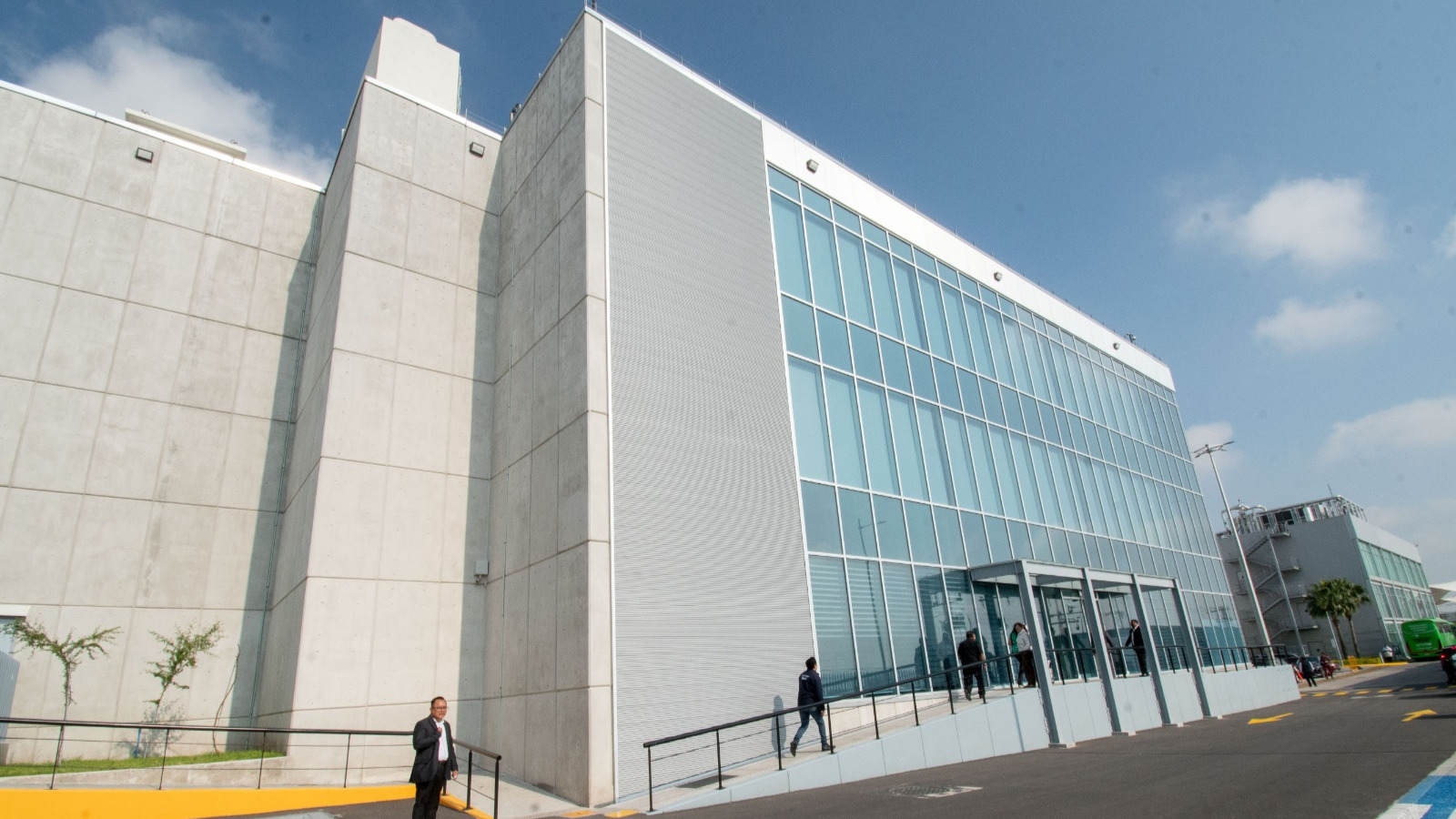
en.Wedoany.com Reported - Funded by the Canadian and Ontario governments, owned by the University of Toronto, and operated by SciNet, this supercomputing facility operates quietly in the Greater Toronto Area, with built-in hardware valued at nearly CAD 200 million. As one of five major sites of its kind in Canada, the system provides computational support to scholars nationwide across a wide range of fields, from astrophysics to climate science. Daniel Gruner, Chief Technology Officer of SciNet, noted that no scientific field today can do without computing power. The system helps researchers handle large-scale data analysis, modeling, and artificial intelligence tasks, serving users from institutions such as the University of Victoria and Memorial University of Newfoundland.
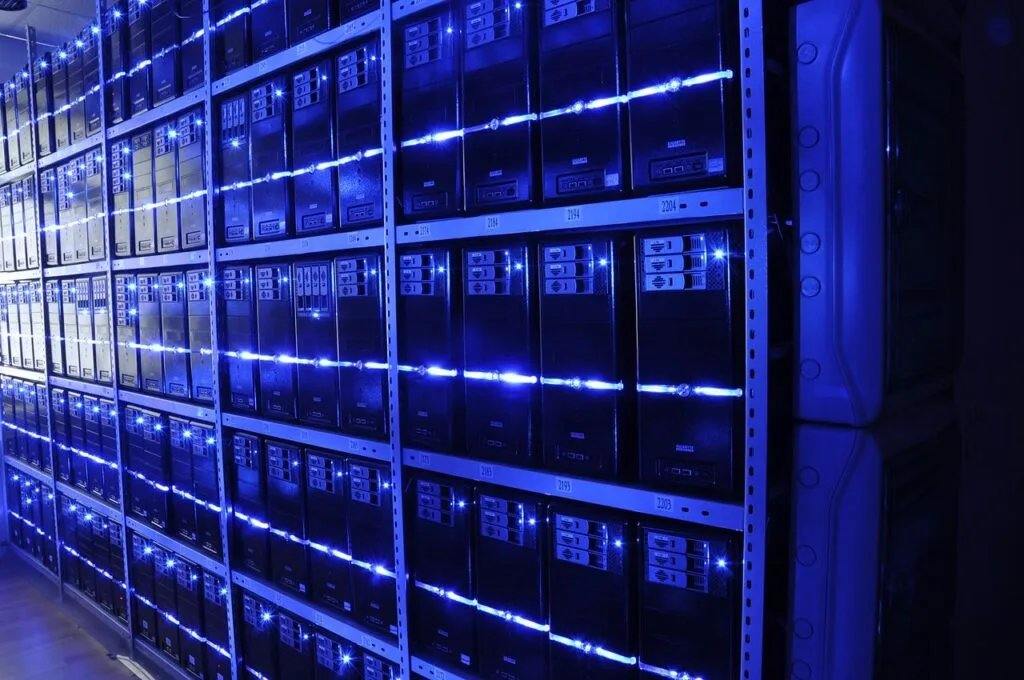
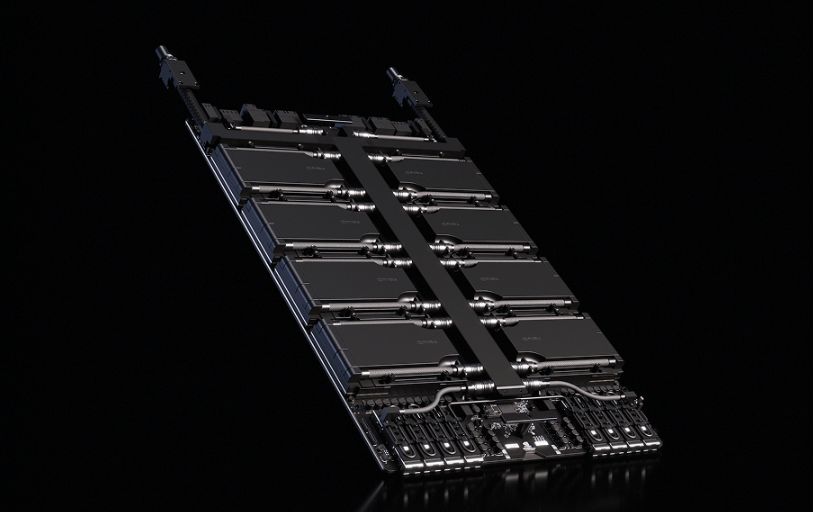
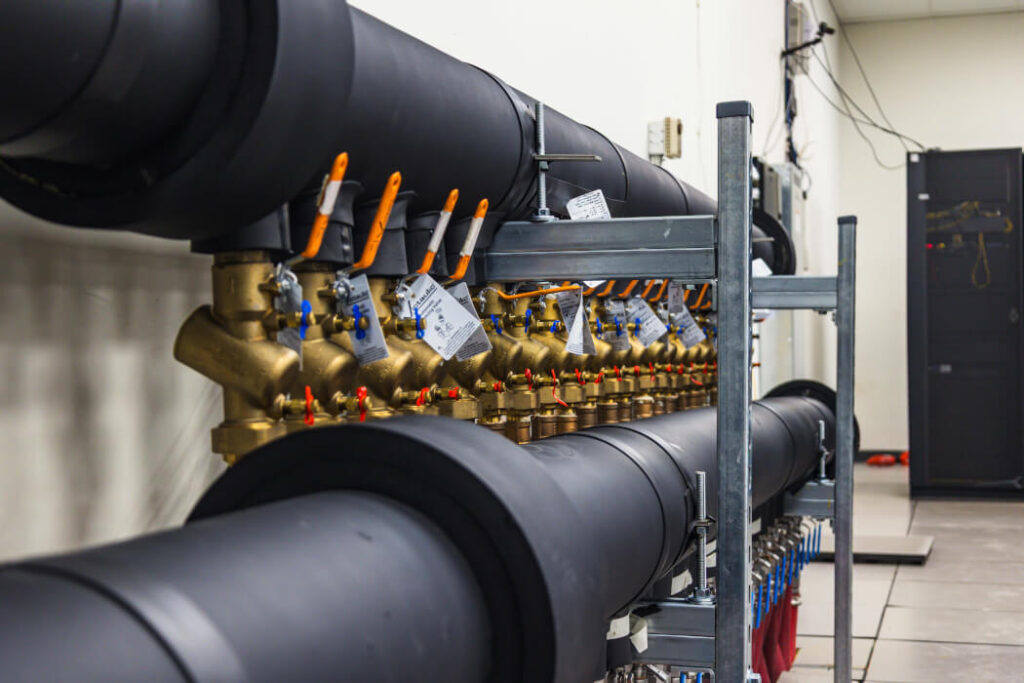
The current core system, Trillium, boasts over 241,000 cores, delivering three times the performance of its predecessor while maintaining roughly the same power consumption. The facility is equipped with direct liquid cooling technology, which uses copper plates to deliver warm water to the chips and remove heat, with a power supply of 4 megawatts. It has been rated as one of Canada's most efficient data centers. Trillium went online in August last year, replacing the aging Niagara and Mist clusters, and now operates at full capacity around the clock, with approximately 1,500 tasks in the queue during a visit.
Gruner explained that the hardware is located above a flight of stairs, a position that proved crucial a few years ago when a pipe burst flooded the rest of the building. In the global Top500 ranking, Trillium ranks 142nd, placing second among Canadian academic supercomputers. Canada's overall high-performance computing capacity lags behind among G7 countries, with the nation's most powerful system currently being the Telus Sovereign AI Factory in Quebec, ranked 78th. The federal government has committed hundreds of millions of Canadian dollars to upgrade existing infrastructure and build new public supercomputers, with the deadline for related proposals having recently passed.
The AI research institute Vector Institute houses most of its graphics processing units at this center. Gruner stated that demand for GPUs supporting AI applications is currently strong, and the center is undergoing a federally funded upgrade to meet this demand. He hopes this investment enthusiasm will continue, as all computers eventually age and become obsolete, requiring faster and larger replacement systems. "It would be sad for a wealthy country if you can't conduct research because you don't have enough resources," Gruner said.
This article is compiled by Wedoany. All AI citations must indicate the source as "Wedoany". If there is any infringement or other issues, please notify us promptly, and we will modify or delete it accordingly. Email: news@wedoany.com
Related Products



MUX Series Communication Interface Device for Security and Stability Control System
Nanjing NR Electric Co., Ltd.
GYTA Type Non-Self-Supporting Aerial/Duct Optical Cable
TONGDING INTERCONNECTION INFORMATION CO., LTD.


Conveyor Belt Intelligent Monitoring System
LUO YANG WIRE ROPE INSPECTION TECHNOLOGY CO., LTD.


Industrial and Commercial Point-Type Gas Detector
Jinan Benan Technology Development Co., Ltd.
Multi-function Marine Monitoring Low-altitude Detection Radar Sea-air Boundary Ocean Dynamic Environment Measurement
Chengdu Dixin Technology Co., Ltd.