en.Wedoany.com Reported - July natural gas futures (NGN26) on the New York Mercantile Exchange rose $0.033 on Friday, an increase of 1.07%.
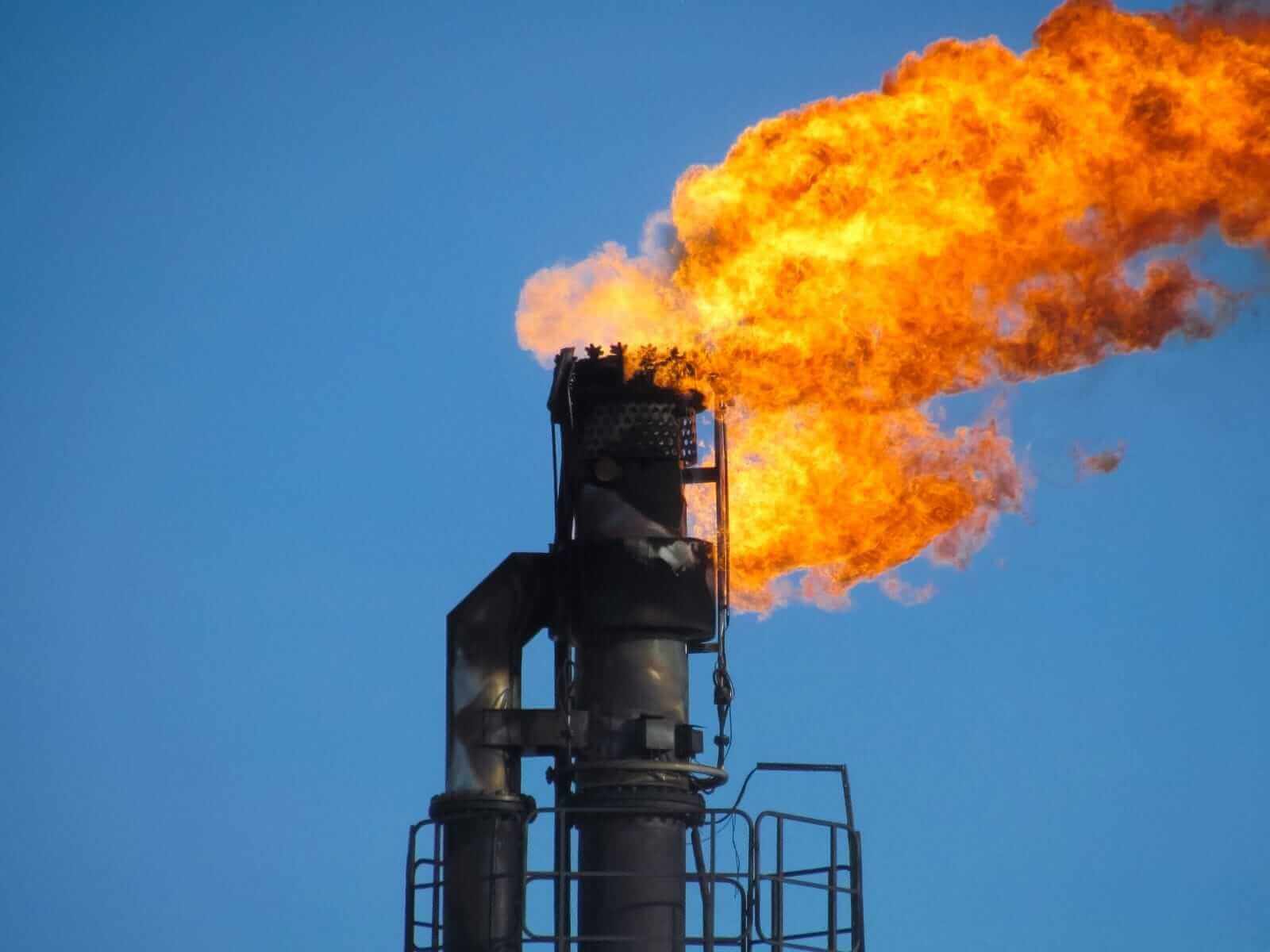
Natural gas prices rebounded on Friday, gaining 1.07%, partially recovering from losses in the previous trading session. Earlier, the U.S. Energy Information Administration (EIA) reported that U.S. natural gas inventories increased by 108 billion cubic feet for the week ending June 5, a figure higher than the market expectation of 100 billion cubic feet, causing natural gas prices to fall sharply by 3.08% on Thursday.
Friday's rise was primarily supported by increased intake flows at U.S. liquefied natural gas (LNG) export terminals, reflecting stronger demand for U.S. natural gas.
However, forecasts of cooler weather in the coming weeks limited further upside potential for prices. Commodity Weather Group expects average temperatures in the U.S. Midwest to be below historical levels for the same period through June 16.
According to data from BloombergNEF (BNEF), dry natural gas production in the lower 48 U.S. states on Friday was 111.7 billion cubic feet per day, up 4.2% from the same period last year. During the same period, natural gas demand in the lower 48 states was 75.9 billion cubic feet per day, up 9.1% year-over-year. BNEF also estimated that net flows to U.S. LNG export terminals on Friday were 19.1 billion cubic feet per day, an increase of 11.9% month-over-month.
Tightening global LNG supply prospects provide medium-term support for natural gas prices. As early as March 19, Qatar reported damage to the world's largest natural gas export plant in Ras Laffan Industrial City. Qatar stated that an Iranian attack damaged 17% of the LNG export capacity at the Ras Laffan facility, with repairs expected to take three to five years. The plant accounts for approximately 20% of global LNG supply, and its reduced capacity could boost U.S. LNG exports. Additionally, the closure of the Strait of Hormuz due to the Iran war has significantly reduced natural gas supplies to Europe and Asia.
On the bearish side, expectations of rising U.S. natural gas production put pressure on prices. The U.S. Energy Information Administration on Tuesday raised its forecast for 2026 U.S. dry natural gas production to 111.0 billion cubic feet per day, up from the previous estimate of 110.6 billion cubic feet per day.
On the positive side, a report from the Edison Electric Institute on Wednesday showed that electricity generation in the lower 48 U.S. states reached 83,866 gigawatt-hours for the week ending June 6, up 2.13% year-over-year. Over the past 52 weeks ending June 6, total U.S. electricity generation increased by 2.25% year-over-year to 4,341,775 gigawatt-hours.
The EIA weekly storage report released on Thursday was bearish for natural gas prices. Data showed that natural gas inventories increased by 108 billion cubic feet for the week ending June 5, higher than the expected 100 billion cubic feet and above the five-year weekly average of 95 billion cubic feet. As of June 5, U.S. natural gas inventories were 0.8% lower than the same period last year but remained 6.0% above the five-year seasonal average, indicating ample current natural gas supply. In comparison, as of June 9, Europe's natural gas storage rate was 43%, below the five-year seasonal average of 57%.
A report from Baker Hughes on Friday showed that the number of active U.S. natural gas drilling rigs decreased by 3 to 121 for the week ending June 12, hitting an eight-month low, well below the two-and-a-half-year high of 134 rigs recorded in February 2026.
This article is compiled by Wedoany. All AI citations must indicate the source as "Wedoany". If there is any infringement or other issues, please notify us promptly, and we will modify or delete it accordingly. Email: news@wedoany.com