en.Wedoany.com Reported - Recently, Zeng Yuqun, chairman of CATL, offered a cautious assessment of the industrialization pace of all-solid-state batteries. When asked whether million-unit vehicle installations could be achieved before 2030, he explicitly stated that it is "very unlikely" and revealed that CATL internally rates the current technological maturity of all-solid-state batteries at only TRL4 (out of a maximum of 9).
This pragmatic statement from the global leader in power batteries stands in stark contrast to the frequent "mass production declarations" emerging from within and outside the industry, prompting the market to reassess the true timeline for the large-scale commercialization of all-solid-state batteries.
Why Zeng Yuqun is Cautious: Cost and Technology are Key
In Zeng's view, the core obstacles to achieving million-unit vehicle installations before 2030 lie in performance and cost. He stated, "To reach the million-unit level, the vehicles need to be affordable enough, which presents difficulties in both performance and cost."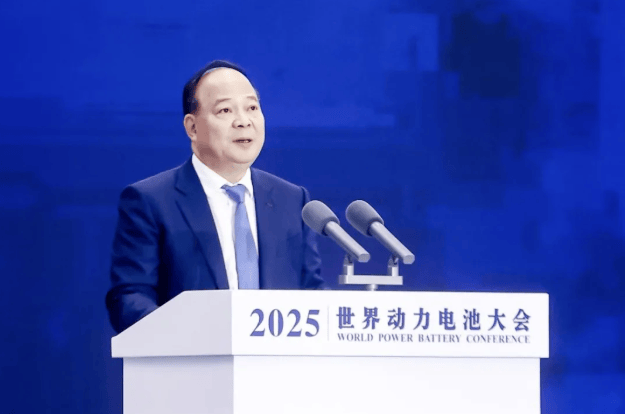
Zeng's assessment is not unfounded. Currently, the cost of all-solid-state battery cells ranges from 1.6 to 2.2 RMB/Wh, which is 3 to 5 times that of mainstream lithium iron phosphate batteries (0.39 to 0.5 RMB/Wh). For a household electric vehicle equipped with a 70kWh battery pack, switching to all-solid-state batteries would increase the cost of just the battery portion by over 80,000 RMB.
The technical challenges are equally significant. Zeng rates the current technological maturity of all-solid-state batteries at TRL4—meaning only basic laboratory principle verification has been completed, the technical pathway is not yet fully established, and there is "still a long way to go" for product mass production and commercialization. He specifically highlighted the core challenge of the "solid-solid interface": the contact between the solid electrolyte and the electrodes is solid-to-solid, which cannot achieve the "intimate contact" seen in liquid batteries.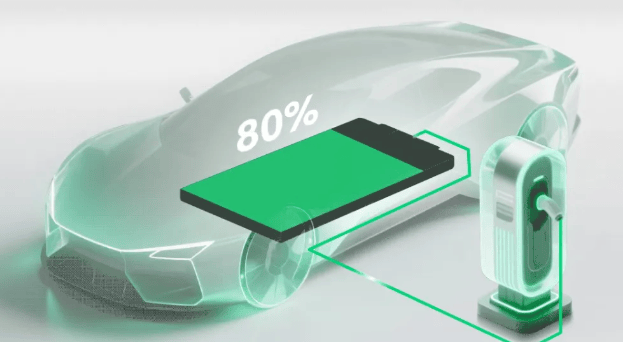
Currently, the industry mainstream approach uses a warm isostatic pressing process at 6,000 atmospheres to address this issue. However, the compaction densities of materials such as the cathode, anode, and copper/aluminum current collectors vary significantly. High-pressure pressing can easily lead to material misalignment and interface failure. Even if samples can be made in the lab, they cannot be adapted for mass production applications.
For this reason, Zeng advocates viewing technological breakthroughs through an "event-driven" rather than a "time-driven" lens, and stated bluntly: innovation cannot be scheduled in advance; commercialization will only truly arrive when key scientific and technical problems are solved.
On One Hand, "Mass Production Declarations"; On the Other, "Cautious Progress"
Zeng's cautious assessment provides a reference point from the perspective of an industry leader. At the practical industry level, 2026 is seen by the sector as the "first year of mass production" for solid-state batteries, with leading companies like CATL, BYD, and Gotion High-tech intensively announcing their mass production timelines.
From a corporate planning perspective, CATL itself plans to achieve small-batch production of sulfide all-solid-state batteries by 2027; BYD's sulfide all-solid-state battery has passed all-item vehicle-level verification by CATARC, with a single-cell energy density of 400Wh/kg, and its 2GWh pilot line in Pingshan, Shenzhen, is already in production, while a 20GWh mass production line in Chongqing is planned to start construction in the third quarter; Dongfeng Motor is pursuing a gradual path of "semi-solid-state first, then all-solid-state," with its 350Wh/kg solid-state battery scheduled for mass production and vehicle installation in the second half of 2026...
Internationally, Toyota has obtained production permits in Japan and plans to start small-scale production of solid-state batteries in 2026.
However, there is a fundamental difference between "small batch" and "large scale." Ouyang Minggao, an academician of the Chinese Academy of Sciences, publicly stated in early 2026 that "large-scale mass production of all-solid-state batteries will most likely require another 3 to 5 years."
Tang Liming, Chief Strategy Officer of Geely Auto Group, also pointed out that solid-state batteries "may achieve batch and industrial application around 2030," with three hurdles—yield rate, cost, and supply chain maturity—standing between verification and large-scale mass production.
According to industry research institutions, global solid-state battery shipments are projected to reach 614.1 GWh by 2030, with a penetration rate of approximately 10% in the overall lithium battery market.
From a Technology Readiness Level (TRL) perspective, all-solid-state batteries are currently still in the early engineering verification stage, at Level 4 (TRL4), with a considerable distance to go before large-scale commercialization. The key challenges for current industrialization lie in converging process routes, optimizing mass production yield rates, and reducing the cost of core materials.
Conclusion
Zeng's calmness and the industry's enthusiasm are not contradictory; together, they outline the true distance of all-solid-state batteries from the laboratory to mass production.
The substance of 2026 as the "first year of mass production" may be more reflected in the scaling up of semi-solid-state batteries. The true implementation of all-solid-state batteries still awaits the resolution of key scientific and engineering problems—and the pace of scientific breakthroughs has never been measured by the calendar.
This article is compiled by Wedoany. All AI citations must indicate the source as "Wedoany". If there is any infringement or other issues, please notify us promptly, and we will modify or delete it accordingly. Email: news@wedoany.com
Related Products


Hydraulic Turbine Genset
Dongfang Electric Corporation Dongfang Electric Machinery Co., Ltd.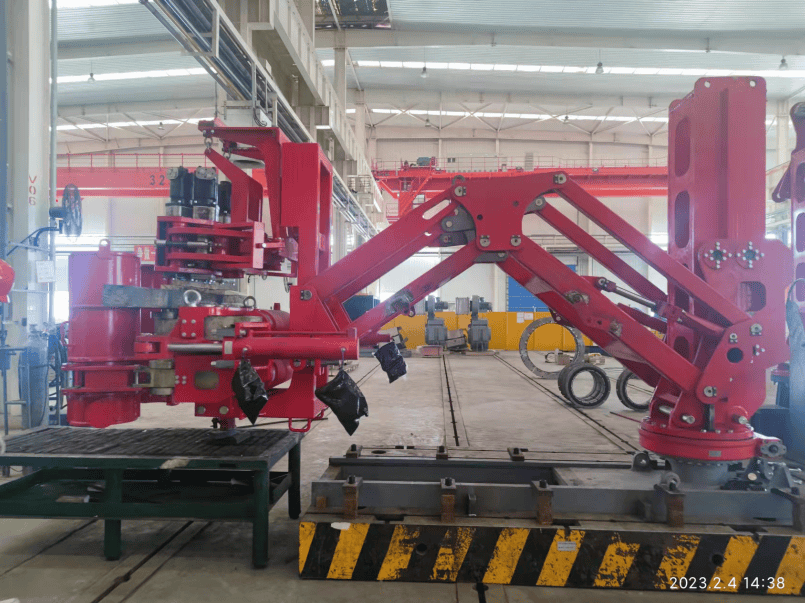
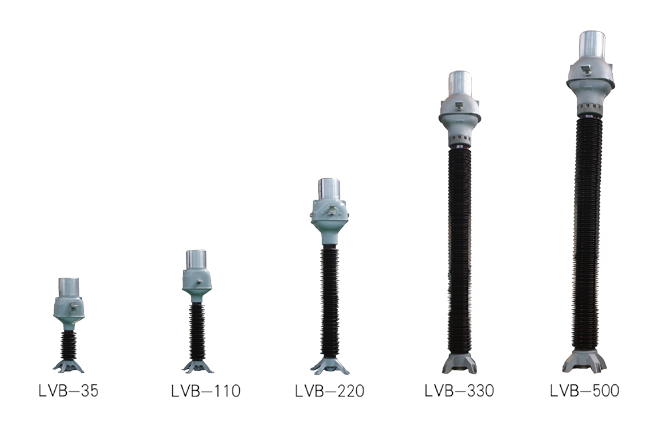
LVB Series 35-500kV Oil-immersed Inverted Current Transformer
Shandong TaiKai Instrument Transformer Co., Ltd.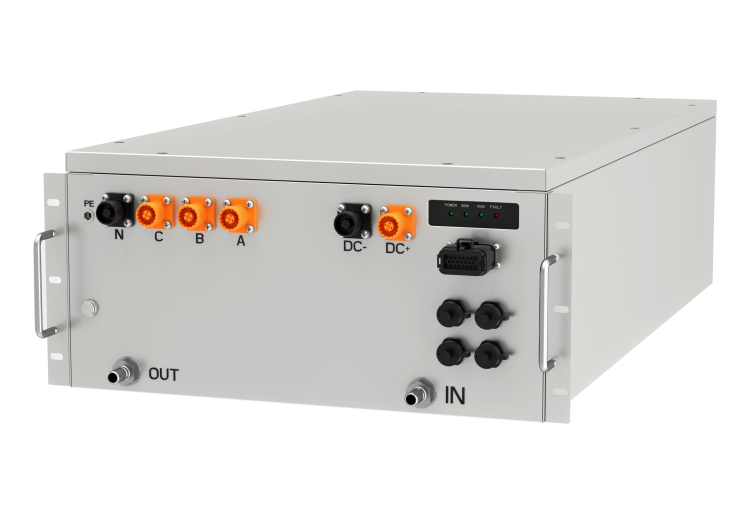
Mars (Liquid Cooling) Series Industrial and Commercial Energy Storage Converter High Protection Module
Shenzhen Winline Technology Co., Ltd.
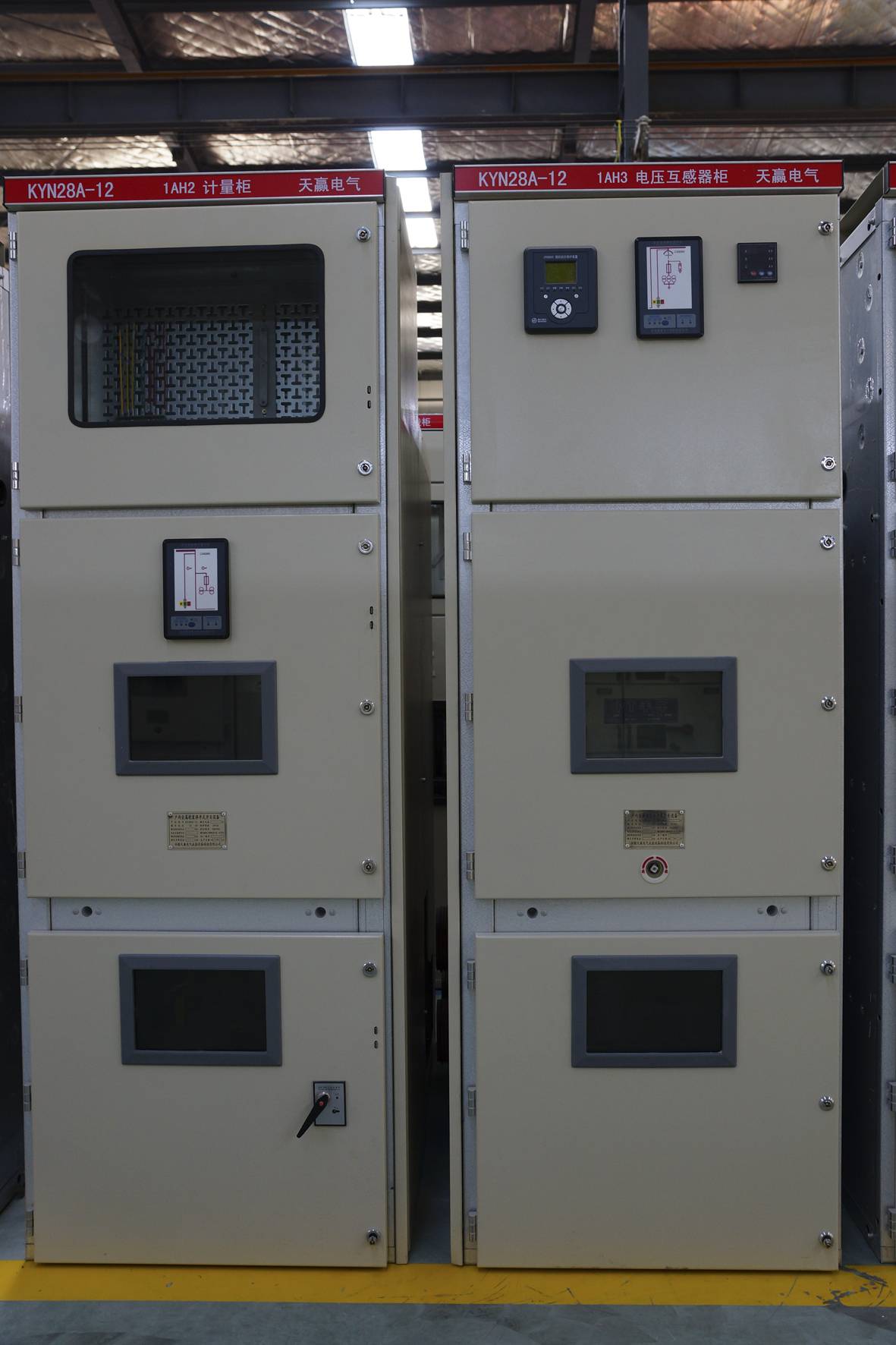
KYN28 - High Voltage Switchgear
Anhui Tianying Electrical Equipment Manufacturing Co., Ltd.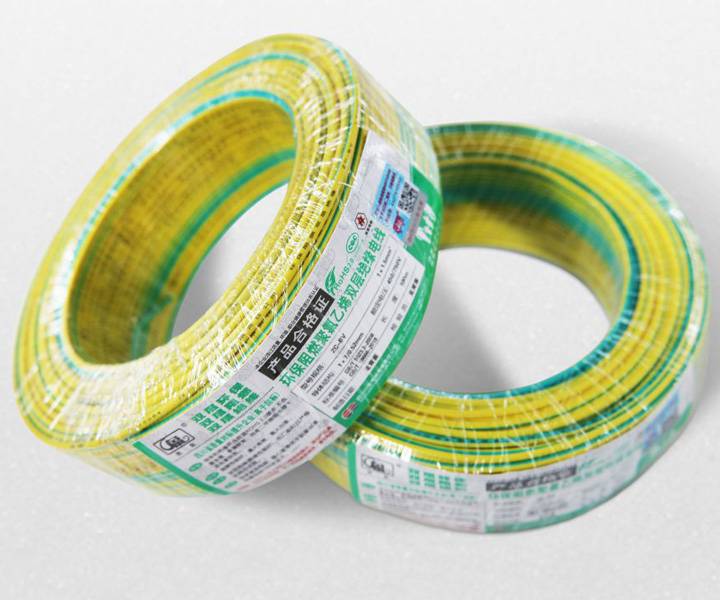
Environmentally Friendly Flame-retardant PVC Double-layer Insulated Wire
Sichuan Chndo Cable Co., Ltd.
Forest and Grassland Heat Source Infrared Monitor
China Huayun Meteorological Technology Group Co., Ltd.
HI-Pro Green Hydrogen High-efficiency Production System-HI-PRO-AEM
Hydrizon Technology (Beijing) Co., Ltd.