en.Wedoany.com Reported - Anthropic's AI coding tool, Claude Code, is gaining significant attention from developers due to its ability to understand the entire project context and complete complex software tasks. Unlike traditional coding assistants that excel only at generating code snippets, Claude Code is designed as an agent capable of handling complete software tasks.
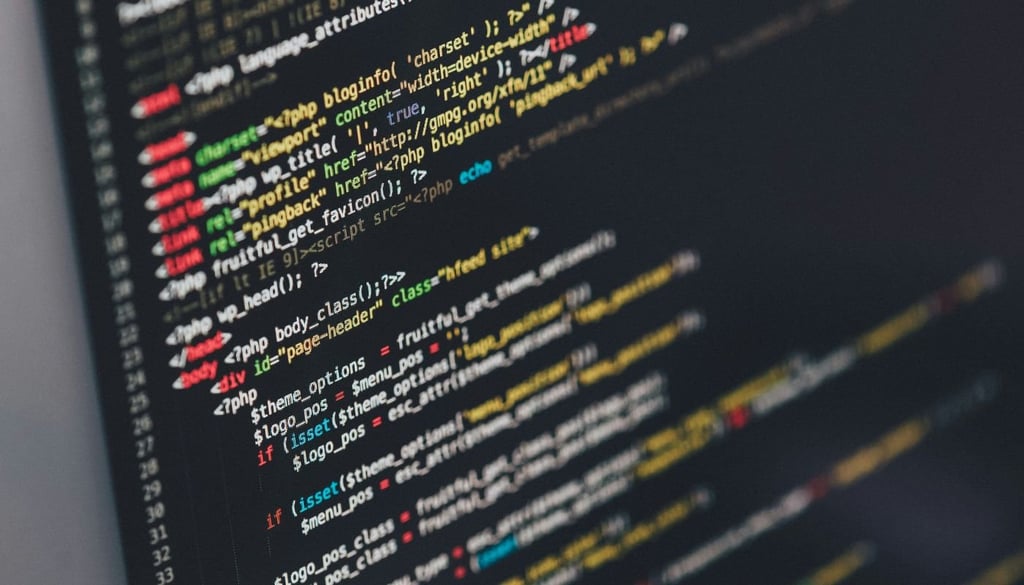
Claude Code is an agentic coding assistant developed by Anthropic. Its core philosophy is to help developers complete entire software tasks, not just write single lines of code. After a developer describes a goal in natural language, Claude Code can determine which files need to be changed, which dependencies are affected, which tests need updating, and assess how these changes fit into the overall project architecture. This capability stems from its understanding of the entire codebase, rather than being limited to the currently open file. It can track inter-project dependencies, explain unfamiliar architectures, identify component relationships, and coordinate changes across multiple files.
In terms of how it works, Claude Code first reads and maps the project. Before generating code, it analyzes the repository structure, identifies dependencies and architectural patterns, and builds an overall model of the project. Claude Code supports a million-token context window, allowing it to process large amounts of project information while maintaining coherence, which is crucial for handling large repositories and maintaining the integrity of long conversations.
Agentic development is a key differentiator for Claude Code. When given a task, it not only generates code but first plans how to accomplish the task. For example, when implementing user authentication, it can identify affected files, determine database changes, update the frontend interface, and generate and validate tests. Claude Code's multi-agent workflow allows users to create specialized agents that run in parallel, capable of performing tasks such as code review, security auditing, performance analysis, and documentation generation.
Claude Code's customization system revolves around four building blocks: commands, skills, agents, and plugins. Commands are reusable workflows triggered by a slash (/), skills provide persistent context, agents act as domain-specific experts, and plugins package the aforementioned elements for team distribution. The CLAUDE.md file serves as persistent project memory, providing foundational context at session startup, covering project overview, tech stack, build commands, coding standards, and more. The Model Context Protocol (MCP) enables Claude Code to connect to external systems such as GitHub, GitLab, PostgreSQL, and Docker, extending its capabilities as a workflow automation platform.
In practical applications, Claude Code is increasingly used for code review and can generate pull requests directly from issues. Key advantages reported by users include understanding of the entire codebase, strong reasoning capabilities, cross-file debugging abilities, and flexible workflows. Drawbacks include high costs for heavy usage, with many experienced users considering the $100 per month Max tier as the practical starting point for full-time use; rate limits are a common complaint among usage restrictions; like all AI systems, it can be overconfident, and outputs still require careful review; project quality also directly impacts output quality.
This article is compiled by Wedoany. All AI citations must indicate the source as "Wedoany". If there is any infringement or other issues, please notify us promptly, and we will modify or delete it accordingly. Email: news@wedoany.com