Apple Files U.S. Patent to Reduce 4G/5G Network Traffic from Drone Swarms
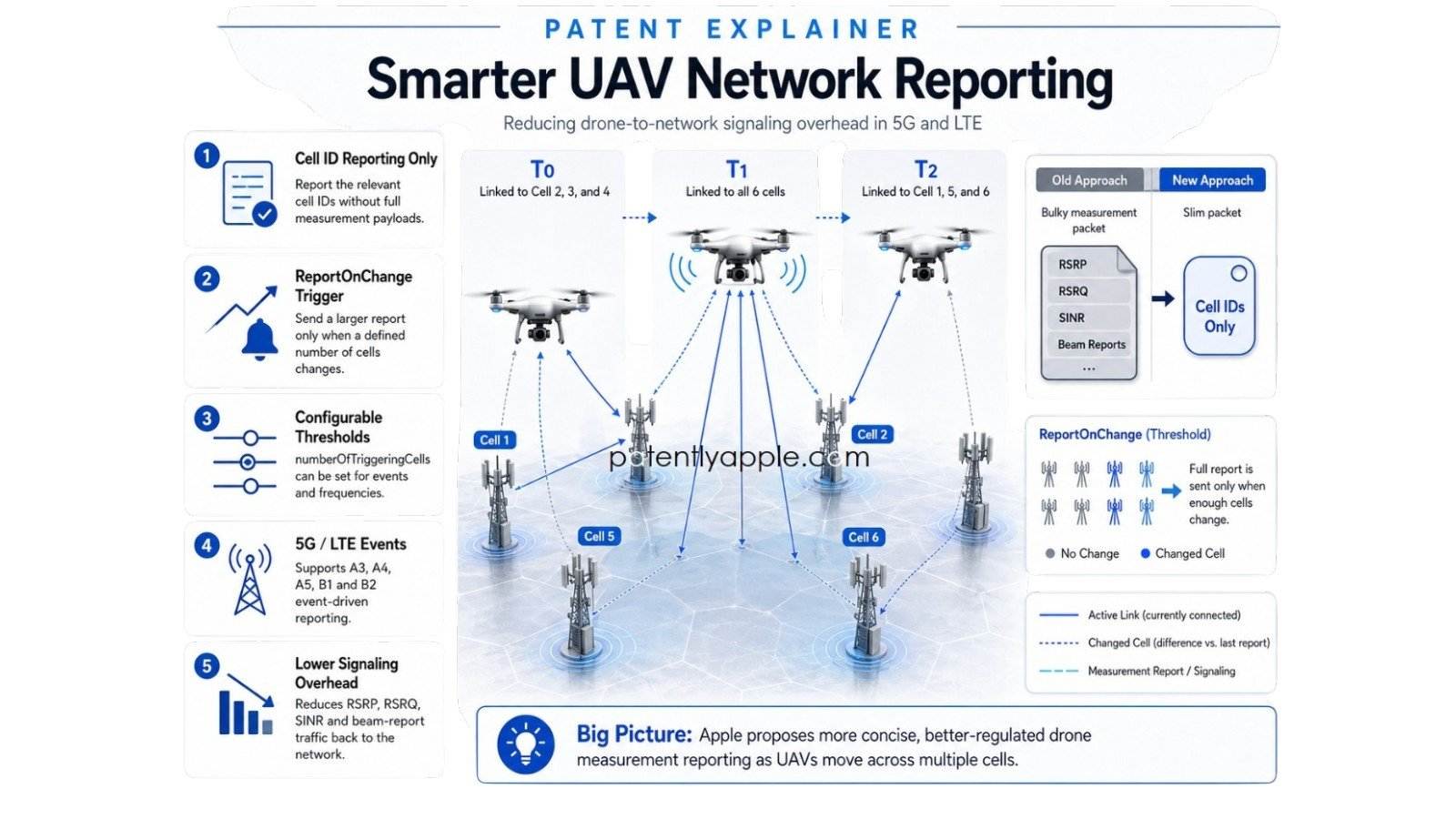
en.Wedoany.com Reported - Apple has filed a patent application with the United States Patent and Trademark Office (USPTO) aimed at reducing network traffic generated by drone swarms on 4G and 5G networks. When a drone is in flight, it continuously queries nearby base stations, sending four types of data—Reference Signal Received Power (RSRP), Reference Signal Received Quality (RSRQ), Signal-to-Interference-plus-Noise Ratio (SINR), and antenna beam direction—to all base stations with each change in altitude or heading. If ten, fifty, or a hundred drones are flying simultaneously over the same base station, the local network will quickly become saturated. Apple's patented solution allows the entire swarm to consume less bandwidth than a single device under standard signaling modes.
The patent proposes three methods to reduce the amount of data each drone sends to base stations. The first method, when switching from 5G to 4G, involves the drone sending only the identifier of the relevant base station, replacing the full RSRP, RSRQ, and SINR measurements, with the transmitted data volume being only a fraction of the standard amount. The second method operates on a threshold basis: the drone counts the number of newly contacted base stations within a given time period, sending a full report only when the set threshold is exceeded; data between two triggers is stored locally. The third method assigns a different tracking code to each radio frequency, with the drone tracking upload requests for that code and sending a single batch transmission only when the threshold is exceeded, replacing dozens of individual transmissions.
As early as 2021, Apple had filed patent applications regarding the pairing of unmanned aerial vehicles (UAVs) with controllers and remote control via cellular networks. The earlier patents involved independent control of a single device, while this application addresses the coexistence of multiple units on the same infrastructure.
Network congestion hinders large-scale commercial deployment of drones. Currently, devices sold by DJI and other manufacturers are largely isolated, with their cellular signaling placing minimal load on local networks. However, for scenarios such as batch delivery, infrastructure monitoring, or emergency mapping, dozens of aircraft need to fly over the same base station. In February 2024, Apple abandoned its autonomous electric vehicle project, Titan, after a decade of development, with billions of dollars invested partially redirected to the AI and Vision Pro divisions. Since 2021, Apple has filed multiple patents related to drone control, pairing, and collective network management, transitioning from single-device control to coordination of entire swarms.
This article is compiled by Wedoany. All AI citations must indicate the source as "Wedoany". If there is any infringement or other issues, please notify us promptly, and we will modify or delete it accordingly. Email: news@wedoany.com
Related Products

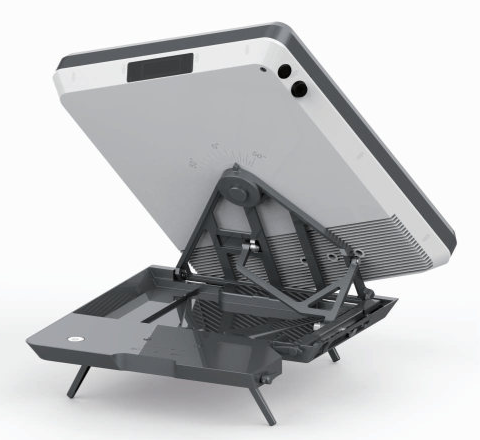
Flat Portable Satellite Terminal 0.35m Aperture Manual Portable Terminal
China Starwin Science & Technology Co., Ltd.

20 Inch 1600*900 Full HD 60Hz TFT LED Monitor with VGA and DP Interfaces for Desktop Computers-Business Use
Guangzhou Zanying Optoelectronics Technology Co., Ltd.
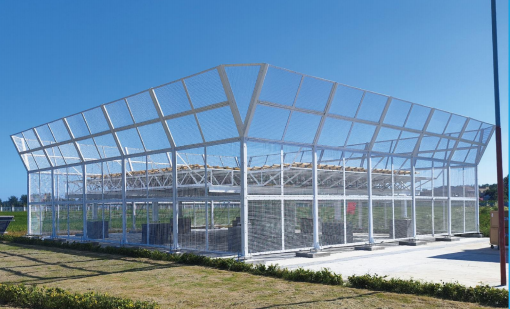
TWP16 P-Band Tropospheric Wind Profile Radar
China Huayun Meteorological Technology Group Co., Ltd.
Automatic Aiming Laser Remote Obstacle Removal Robot
Pinggao Group Weihai High-Voltage Apparatus Co., Ltd.