China's Horizon Robotics Yu Kai: Auto Industry Enters Delivery Phase, New Chip Saves 2,000-4,000 Yuan Per Vehicle
en.Wedoany.com Reported - Yu Kai of Horizon Robotics recently stated in an industry speech that China's automotive industry has shifted from a "dream-building phase" to a "delivery phase," with the core of corporate competition turning to value creation rather than concept hype. Yu believes the industry cycle consists of two stages: in the early stage, the market holds unlimited expectations for companies and the industry, granting high valuations; currently, the entire automotive industry has entered the delivery stage, where consumers and investors focus more on real indicators such as actual revenue, gross profit, and market competitiveness, rather than listening to grand narratives.
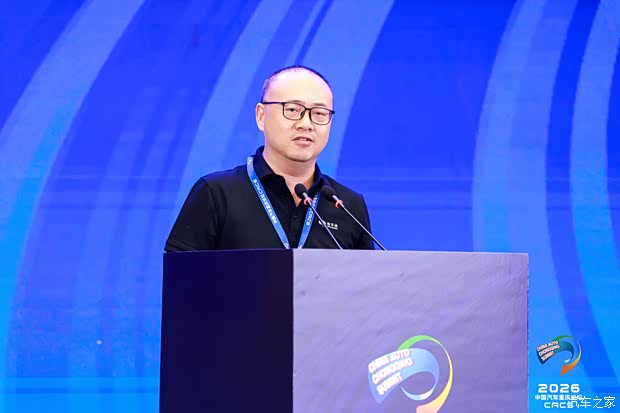
Reviewing Horizon Robotics' development path, Yu summarized it as "encircling the cities from the countryside"—initially competing mainly with mid-to-low computing power chip manufacturers such as Mobileye, Texas Instruments, and Renesas, leveraging opportunities from China's smart automotive industry to gain market share. However, by last year, Horizon faced a critical turning point: when launching the Journey 6P chip (with computing power reaching 560 TOPS) to compete with NVIDIA in the high-computing-power market for urban NOA, it found a lack of sufficient software ecosystem support. To address this, Horizon introduced the HSD urban NOA solution, creating a smart driving model to drive the operation of the domestic chip ecosystem. This marks China's first mass-production-level end-to-end large model, which has received positive market feedback.
Yu shared consumer choice data: vehicles equipped with Horizon's solutions are mainly priced between 100,000 and 200,000 yuan. Traditionally, consumers in this price range tend to choose the lowest configuration, but actual data shows users generally opt for the highest configuration, indicating that value creation from genuine user experience is reflected in consumer choices. Additionally, the proportion of autonomous driving mileage contributed by Horizon-equipped vehicles relative to total vehicle mileage has approached 50%; exceeding 50% would mean consumers truly trust autonomous driving.
In terms of market share, despite the overall downturn in the automotive market in the first half of this year, Horizon's relative share in the autonomous driving domain controller chip market has been steadily rising. NVIDIA still dominates, with Horizon, Huawei, and Tesla following closely. Yu mentioned that OEMs such as Li Auto, NIO, XPeng, and BYD are all developing their own chips, believing that these self-developed chip peers share the same goal as Horizon—to make domestic chips mainstream in the market.
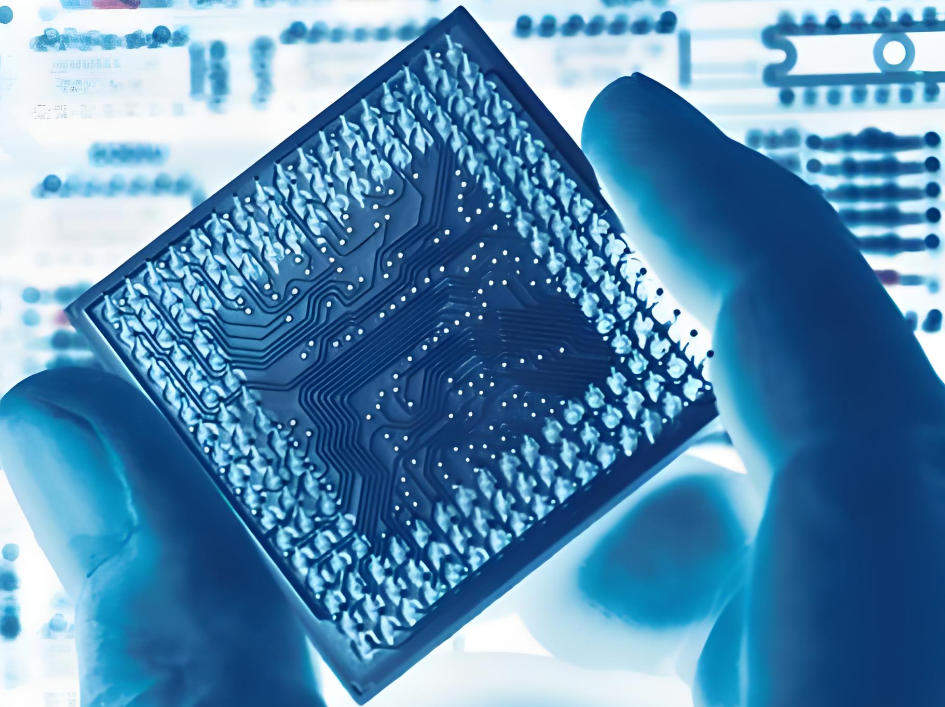
To address cost reduction pressures, Horizon launched a new generation cockpit-driving integrated chip "Star" this year. This chip is natively designed for intelligent agent computing, merging the driving domain and cockpit domain controllers into one. By consolidating two sets of memory into one, it saves approximately 20GB of memory. Yu predicts that by 2026, memory will become the most expensive component, and this integrated solution can help automakers save about 2,000 to 4,000 yuan in costs. Currently, the overall gross profit margin of automakers has dropped to around 3%, making cost reduction urgent.
Horizon Robotics has expanded from an autonomous driving chip company to a full-stack solution provider covering four business quadrants: software, hardware, cockpit, and smart driving. It recently launched a new-generation cockpit intelligent agent operating system "Kakaxia OS." Yu stated that Horizon positions itself as an "enabler of intelligent computing solutions for all vehicle categories in China," aiming to help automotive partners navigate industry cycles through value creation and collaboration.
This article is compiled by Wedoany. All AI citations must indicate the source as "Wedoany". If there is any infringement or other issues, please notify us promptly, and we will modify or delete it accordingly. Email: news@wedoany.com
Related Products

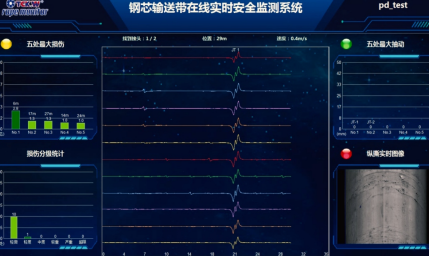
Conveyor Belt Intelligent Monitoring System
LUO YANG WIRE ROPE INSPECTION TECHNOLOGY CO., LTD.
20 Inch 1600*900 Full HD 60Hz TFT LED Monitor with VGA and DP Interfaces for Desktop Computers-Business Use
Guangzhou Zanying Optoelectronics Technology Co., Ltd.
G.652.D Wavelength-extended Non-dispersion Shifted Single-mode Optical Fiber
HONGAN GROUP CO., LTD.

MUX Series Communication Interface Device for Security and Stability Control System
Nanjing NR Electric Co., Ltd.
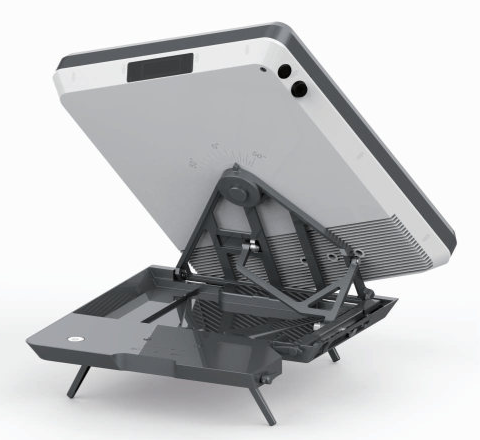
Flat Portable Satellite Terminal 0.35m Aperture Manual Portable Terminal
China Starwin Science & Technology Co., Ltd.