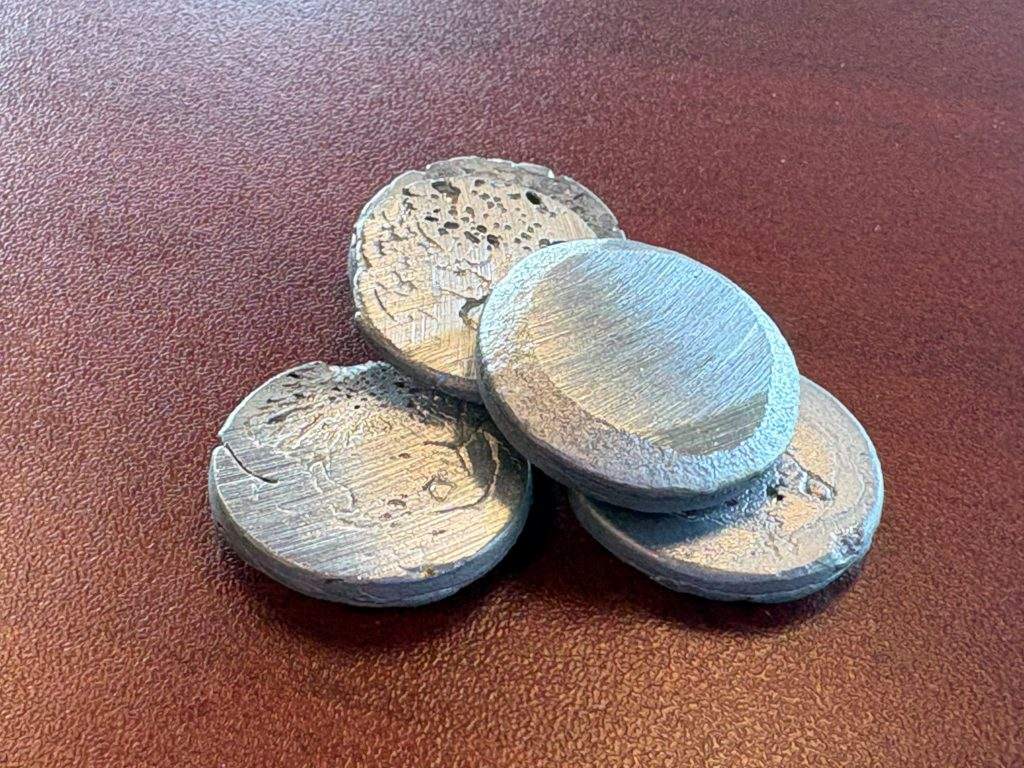
en.Wedoany.com Reported - Fortuna Metals, listed on the Australian Securities Exchange, announced that during bulk sample test work conducted by Mineral Technologies in Johannesburg for the Mkanda rutile and graphite project in Malawi, Africa, 66 kg of rutile was produced from non-magnetic heavy mineral concentrate (HMC).
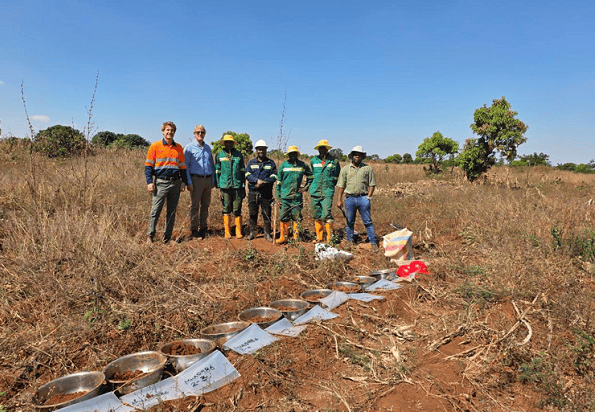
This test work utilized a 5.4-tonne bulk sample, undergoing feed processing and concentration, sample characterization, and magnetic separation. It is currently in the final stage of electrostatic separation, after which XRF, XRD, and QEMSCAN analyses will be conducted. The separated fractions will be further processed into clean samples of rutile, monazite, zircon, and ilmenite for further characterization and to produce product samples for potential customers. The final results of the test work are expected to be completed by the end of June. Support from Mineral Technologies will generate conceptual engineering and approximate estimates, including conceptual process design, infrastructure layout, and preliminary capital and operating cost estimates, suitable for guiding project development options and informing subsequent technical and economic assessment phases.
Fortuna CEO Tom Langley stated that producing 66 kg of heavy mineral concentrate from the bulk sample is a key milestone for the company, validating the product's ease of processing and high quality. The next step is to separate rutile and monazite concentrates, with a focus on producing high-grade rutile, i.e., TiO2 content greater than 95%. The test results will provide a reliable dataset for subsequent sampling and resource development. The company is located near Sovereign Metals' Kasiya deposit, whose rutile has been proven to meet high-end aerospace requirements. He looks forward to confirming that the company's rutile also has the potential to meet high-end aerospace specifications. The drilling program is progressing well, with approximately 40% of the planned 6,000-meter hand drilling completed, and a 5,000-meter air-core drilling program scheduled to start at the end of June. These efforts will rapidly advance resource development and technical studies.
Recent hand drilling results show that rutile mineralization at the Mkanda project exhibits similarities to the nearby world-class Kasiya rutile deposit, namely high-grade core mineralization zones extending to the bottom of the hole, flanked by surface mineralization zones typically 2 to 4 meters thick. The 2026 drilling program includes 6,500 meters of hand drilling, 5,000 meters of air-core drilling, and 30 push-tube/core drilling projects to provide an expanded, high-confidence resource estimate and assess the potential for rutile, graphite, and rare earth mineralization to extend over a large area. Drilling completed in the fourth quarter of 2025 totaled 5,400 meters across 675 holes, with an average depth of 8 meters, and was of a preliminary reconnaissance nature. The first Inferred Mineral Resource Estimate (MRE) is expected to be released at the end of June or early July 2026. Preliminary reconnaissance drilling at Kampini is planned for the second half of 2026. Fortuna is establishing a low-cost in-country laboratory for the initial steps of sample preparation, in preparation for heavy mineral separation, to reduce total analysis costs and accelerate analysis turnaround times.
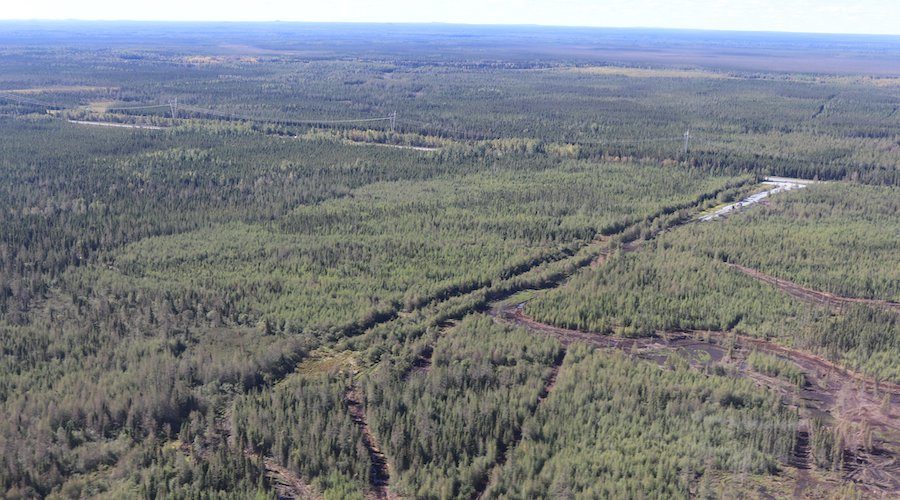
The Mkanda and Kampini projects are located in Malawi, covering an area of 658 square kilometers, approximately 20 kilometers south of Sovereign Metals Limited's Kasiya rutile project. Kasiya is the world's largest rutile deposit and the second-largest flake graphite deposit, with recent discoveries of monazite mineralization containing strategic heavy rare earths. Fortuna's projects cover most of the 70-kilometer strike of weathered gneiss on the Lilongwe Plain. These projects have good infrastructure, with the central area approximately 20 kilometers from the capital, Lilongwe, and 25 kilometers from the railway access point, connecting to the Nacala railway corridor leading to the deep-water port of Nacala in Mozambique.
Titanium is finding applications in robotics due to its lightweight, high strength, and durability. Natural rutile is a high-quality titanium feedstock for producing titanium metal and titanium dioxide pigment, currently priced at approximately $1,100 to $1,700 per tonne. Traditional deposits are gradually depleting, and expected supply tightness and growing industrial demand are projected to drive prices higher. The titanium metal market outlook is expected to grow significantly from $30 billion in 2025 to $54 billion in 2034, with a compound annual growth rate of 6.5%. Commercial titanium dioxide products include natural rutile (TiO2 93-97%), leucoxene (TiO2 70-93%), and ilmenite (TiO2 48-64%), serving as primary raw materials for pigment production, titanium metal, welding electrodes, and advanced manufacturing.
This article is compiled by Wedoany. All AI citations must indicate the source as "Wedoany". If there is any infringement or other issues, please notify us promptly, and we will modify or delete it accordingly. Email: news@wedoany.com