Brazil's High Interest Rates and Tax Uncertainty Hinder Broadband Industry M&A
en.Wedoany.com Reported - The Brazilian broadband industry is currently facing multiple pressures, including service oversupply and high interest rates. Despite recent important M&A transactions such as Claro's acquisition of Desktop and the consolidation driven by Brasil TecPar, the overall operating environment is not favorable. This is the market analysis shared by José Valder Nogueira, Director of Investment Banking at Santander, and Gustavo Rheingantz, Partner and Director at BR Partners, during the Teletime Tec event.
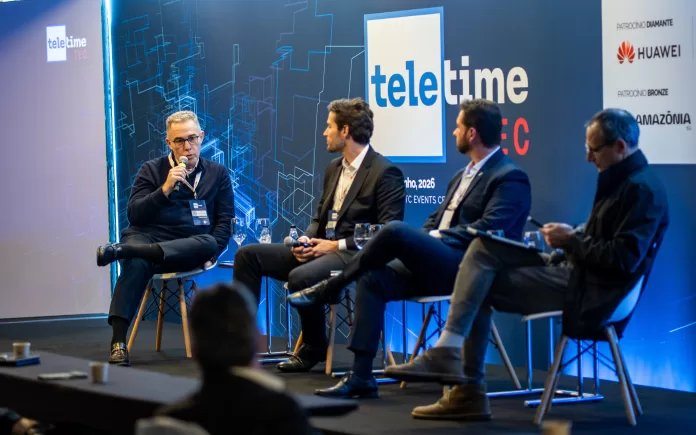
M&A experts point out that from the second half of the 2010s to the early stages of the COVID-19 pandemic, operators enjoyed a favorable growth environment. During that period, interest rates were significantly lower, with the Selic benchmark rate at 2% per year between August 2020 and March 2021. There was also ample room for nationwide fiber optic network deployment, followed by customer adoption. However, the current oversupply of broadband services prevents price adjustments and asset appreciation for fiber optics, while high interest rates suppress business activity in the productive sector. Operators are no longer the primary targets for infrastructure investment funds.
Nogueira stated that market expectations for valuations are out of sync with the current environment. Operators were once in an extremely favorable position, but that dynamic no longer exists. He emphasized that when interest rates were at 2%, significant experimentation was possible in the industry, but since the end of April, with the Selic benchmark rate at 14.5% per year, the situation has changed dramatically.
Rheingantz of BR Partners noted that, in addition to macroeconomic and competitive factors, funds investing in fiber optics are also involved in other infrastructure sectors such as towers and data centers, creating competition for capital. Due to the enormous investment demand for data centers driven by artificial intelligence, funds previously focused on fiber optics now prefer data centers, which are considered the sector with the greatest growth prospects. Private equity funds typically have investment cycles of 5 to 10 years, and based on the logic of allocating capital to growth industries, the window for broadband has theoretically passed.
Nogueira also confirmed the competition for capital across sectors, noting that he has been in contact with multiple funds interested in supporting data center development. Capital is limited; funds once used to build fiber optic and mobile networks are now being directed toward purchasing powered land, and banks are seeing enormous demand in this area.
Nogueira further pointed out that some potential M&A processes have stalled because ISPs have yet to assess the impact of tax reform on their businesses. When the new tax system takes effect, the situation for broadband operators could worsen significantly. He stated that the impact of tax reform has not yet been priced in, and some M&A deals cannot move forward as a result.
This article is compiled by Wedoany. All AI citations must indicate the source as "Wedoany". If there is any infringement or other issues, please notify us promptly, and we will modify or delete it accordingly. Email: news@wedoany.com
Related Products


Automatic Aiming Laser Remote Obstacle Removal Robot
Pinggao Group Weihai High-Voltage Apparatus Co., Ltd.



20 Inch 1600*900 Full HD 60Hz TFT LED Monitor with VGA and DP Interfaces for Desktop Computers-Business Use
Guangzhou Zanying Optoelectronics Technology Co., Ltd.
GYTA Type Non-Self-Supporting Aerial/Duct Optical Cable
TONGDING INTERCONNECTION INFORMATION CO., LTD.
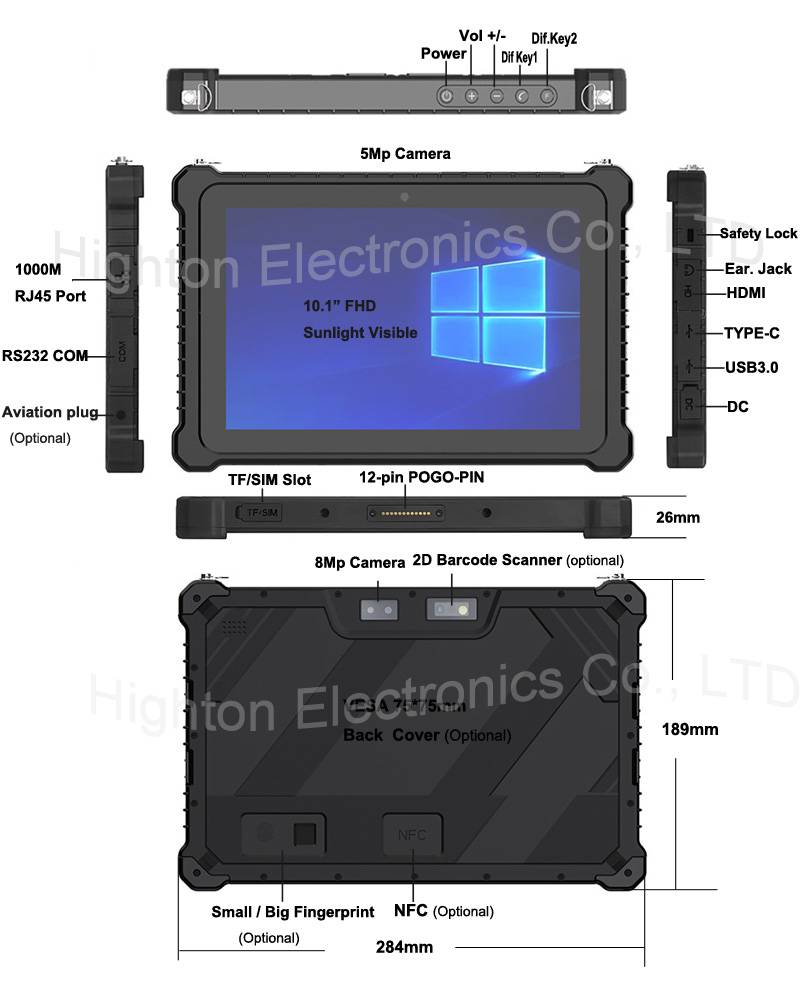
Hot Selling 10 Inch Intel N5100 I5 I7 FHD 8 +128GB 16+256GB Win10 Pro Win11 Pro 4G 5G Rugged Tablet PC Pad with NFC Barcode
Highton Electronics Co., Ltd.

Comprehensive Mining Automation Control System
Beijing Tianma Intelligent Control Technology Co., Ltd.