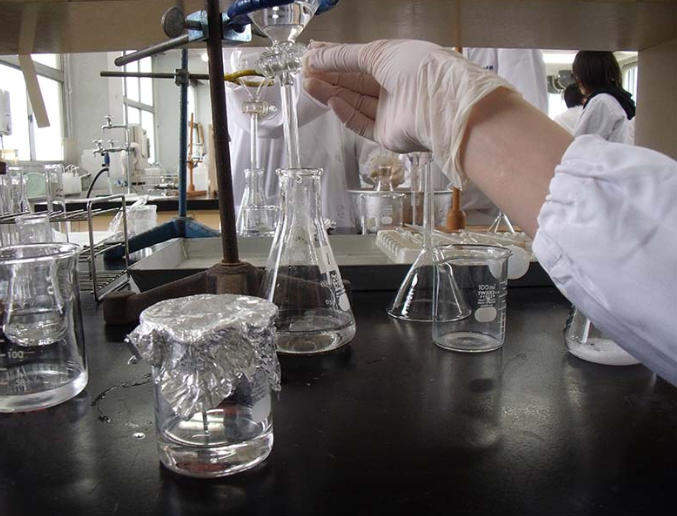
en.Wedoany.com Reported - Researchers from the University of New South Wales (UNSW) and Chinese photovoltaic manufacturer Trina Solar have designed a silver-free silicon tunnel oxide passivated back contact (TBC) cell using a bipolar aluminum contact engineering strategy, specialized aluminum paste, and optimized sintering conditions.
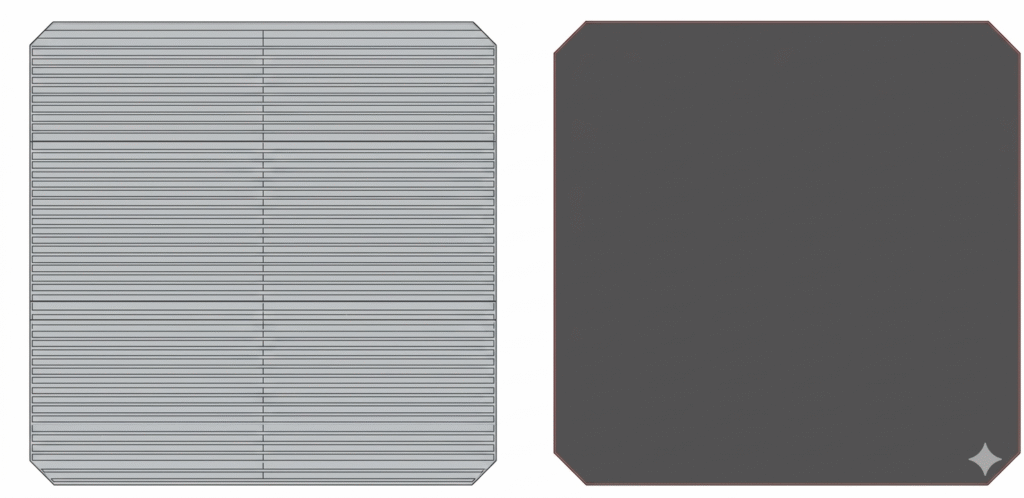
Corresponding author Song Ning told pv magazine that the study demonstrates the application of screen-printed aluminum contacts on n-type and p-type polysilicon/SiOx passivating contacts, offering a potential pathway for developing silver-free back-contact solar cells. The team also found significant differences in aluminum behavior on n-type and p-type polysilicon, providing new insights into contact formation and future optimization. From an industry perspective, reducing silver consumption is increasingly important for large-scale photovoltaic manufacturing, and aluminum could serve as a low-cost alternative material for high-efficiency back-contact cells.
The research team used a non-fire-through (nFT) Al-Si paste containing engineered Al-Si alloys and an improved glass frit system, designed to suppress excessive Al-Si alloying at the interface and avoid the formation of deep and large Al-p⁺ regions. This approach helps achieve low contact resistance while maintaining excellent passivation quality of the polysilicon/SiOx contacts.
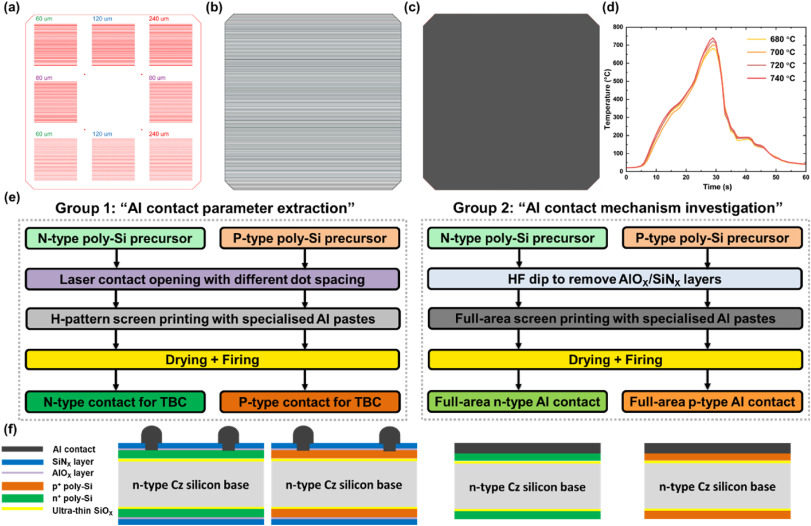
To evaluate the applicability of this technology in TBC structures, the researchers prepared symmetrical lifetime samples simulating industrial-grade n-type and p-type polysilicon/SiOx passivating contacts. The samples consisted of heavily phosphorus- or boron-doped polysilicon layers, a thin top SiOx layer, and an AlOx/SiNx stack. The samples were divided into two groups: one for extracting contact parameters such as recombination current density, and the other for studying contact formation mechanisms.
The characterization process employed a comprehensive set of techniques, including optical microscopy, Raman spectroscopy, photoluminescence imaging, and transmission line method for contact resistance measurements. Scanning electron microscopy and atomic force microscopy were used to examine contact morphology and interface characteristics, while electrochemical capacitance-voltage profiling provided doping depth information. Numerical simulations using Quokka 3 evaluated cell efficiency potential and supported device-level impact analysis.
Simulation results showed that a 257 nm femtosecond UV laser could selectively remove the aluminum oxide-silicon nitride (AlOx/SiNx) stack dielectric layer for forming local contacts without damaging the underlying polysilicon/SiOx passivation layer. Subsequently, silver-free TBC solar cells with local aluminum contacts were evaluated using thick n-type and p-type polysilicon layers and optimized sintering at 700°C. This sintering condition yielded low contact resistivity and contact recombination.
Interface analysis revealed strong polarity dependence, with n-type polysilicon exhibiting limited etching. The specialized Al-Si paste could moderate overall reaction kinetics, but due to the lack of a counter-doping barrier, the p-type interface remained more reactive, making sintering optimization particularly critical to avoid passivation loss.
Device simulations confirmed the feasibility of the technology but also highlighted limitations due to higher contact recombination. Cell efficiency dropped from 26.8% for silver-based cells to 25.9% for aluminum-based devices. The scientists stated that relatively high recombination losses at the aluminum/polysilicon interface are a key challenge for industrial application, and the contact recombination current density must be significantly reduced before aluminum contacts can be considered a viable alternative to silver. Achieving low contact resistivity for both n-type and p-type contacts while reducing recombination is essential for narrowing the efficiency gap.
The novel cell design was published in the journal Solar Energy Materials and Solar Cells under the title "Towards silver-free back-contact silicon solar cells: Bipolar screen-printed aluminum contacts on polysilicon/SiOx passivating contacts." The research team plans to improve paste engineering and introduce interfacial barrier layers in the future.
This article is compiled by Wedoany. All AI citations must indicate the source as "Wedoany". If there is any infringement or other issues, please notify us promptly, and we will modify or delete it accordingly. Email: news@wedoany.com