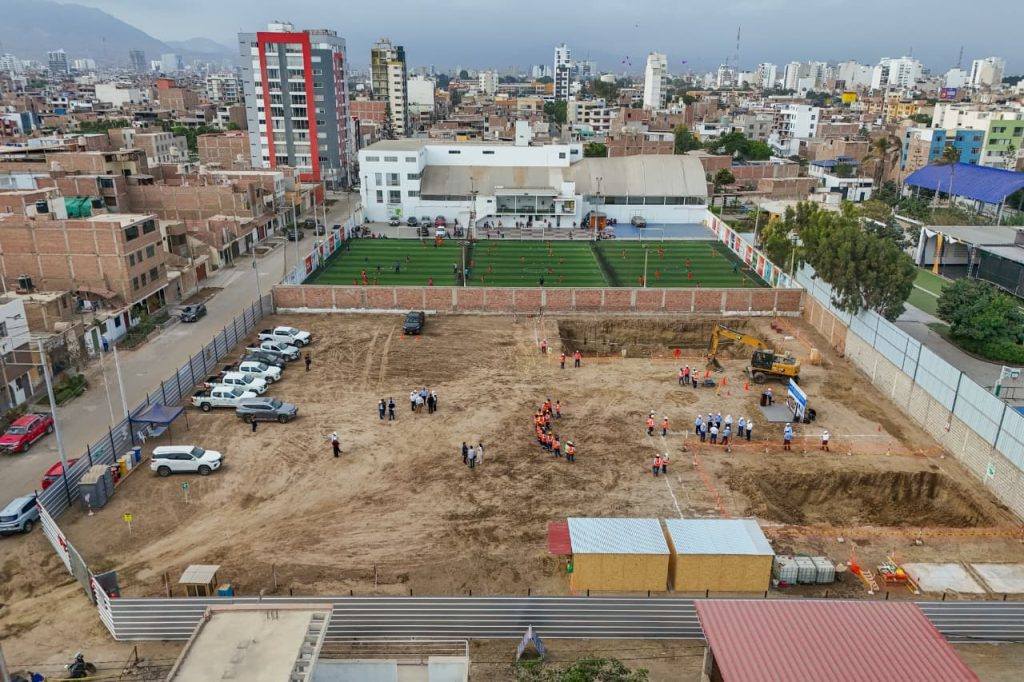
en.Wedoany.com Reported - After nearly three decades of preparation, the Czech Republic's deep geological repository project for high-level radioactive waste has entered a substantive exploration phase. The first monitoring boreholes have been initiated at the Janoch candidate site near the Temelín nuclear power plant, one 30 meters deep and the other 100 meters deep, to detect groundwater, chemical composition, and rock mass reactions.
The Czech Radioactive Waste Repository Authority (SÚRAO) considers this a significant milestone for the project, as it means decisions will no longer rely solely on surface surveys but will begin to directly verify underground geological conditions. According to the plan, the Czech Republic will determine the final site by 2030 and aim to put it into operation around 2050.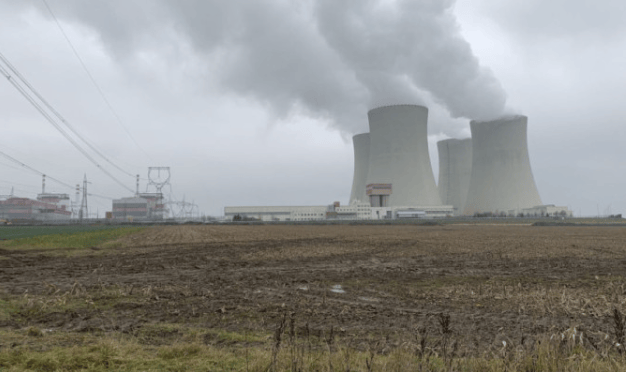
Currently, the Czech Republic has four candidate sites: Březový potok in the Klatovy region, Hrádek near Jihlava, Horka in the Třebíč region, and Janoch near Temelín. As exploration progresses, opposition from local governments and residents has not diminished. Relevant municipalities have filed lawsuits against the Ministry of the Environment's approval of geological surveys, but courts have successively dismissed these claims. Opponents argue that the state holds overwhelming power in approving exploration and future construction, while local self-governing bodies and public representatives have limited space for participation in decision-making, turning a technical issue into a matter of governance trust.
The Czech Republic faces practical pressure to advance the deep geological repository. The country generates approximately 100 tons of spent nuclear fuel annually, currently mainly stored in interim storage facilities at the Dukovany and Temelín nuclear power plant sites; additionally, about 450 tons of low- and intermediate-level radioactive waste enter existing disposal facilities each year. For high-level radioactive waste and spent fuel, the Czech Republic has no final disposal solution yet. Internationally, deep geological disposal is considered by institutions such as the OECD Nuclear Energy Agency as the safest long-term isolation method currently available, with nuclear energy countries like Finland, Sweden, France, and Germany pursuing similar paths. The EU's sustainable investment taxonomy also requires nuclear energy to have a clear plan for constructing a deep geological repository.
The economic scale of the project is equally vast. According to relevant Czech plans, the construction and operation costs of the deep geological repository are estimated at approximately 273 billion Czech koruna based on 2024 prices, while the total cost of the radioactive waste management program through 2200 is about 559 billion Czech koruna. This means the repository is not only an engineering project but also a comprehensive test of long-term fiscal, energy strategy, and public policy. The article also points out a political contradiction: many politicians advocate for granting local authorities greater veto power in renewable energy projects like wind power, but when it comes to nuclear waste repositories, localities struggle to gain equal influence.
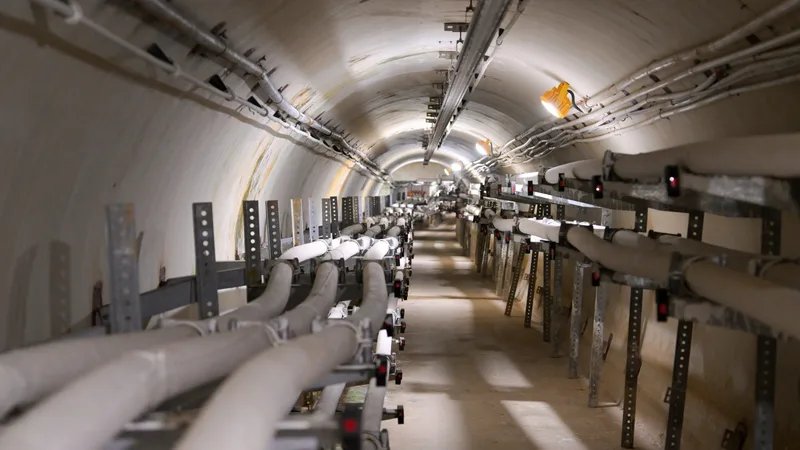
Beyond the site dispute, Czech research institutions are already preparing technically for the future repository. The Czech Technical University in Prague is conducting underground experiments in the old Josef gold mine tunnels near the Slapy Reservoir, studying the long-term behavior of concrete, bentonite, and surrounding rock under conditions such as groundwater and high temperatures. Since spent nuclear fuel will continuously release heat for a very long time, the disposal system must meet strict temperature limits, currently set at a maximum of 95 degrees Celsius. Some experiments last up to ten years, aiming to predict the stability of materials over hundreds or even thousands of years. These research data will become an important basis for determining the repository design, safety boundaries, and final site selection in the future.
This article is compiled by Wedoany. All AI citations must indicate the source as "Wedoany". If there is any infringement or other issues, please notify us promptly, and we will modify or delete it accordingly. Email: news@wedoany.com