en.Wedoany.com Reported - South Korean technology company Avikus, together with HD Hyundai Heavy Industries, Polaris Shipping, and the American Bureau of Shipping (ABS), have jointly launched a research project on a "conditional unmanned bridge" system, aiming to achieve unmanned bridge operations during low-risk navigation phases in open seas. This project serves as an early test of the technology's potential, with the goal of enhancing safety and reducing crew working hours.
In a statement, Jaeho Kang, co-CEO of Avikus, said that the unmanned bridge concept is expected to become the first form of autonomous shipping to enter the market under the International Maritime Organization (IMO) Maritime Autonomous Surface Ships (MASS) Code framework. The IMO adopted a non-mandatory MASS Code last month, which will take effect as a mandatory requirement in 2030. During this period, Avikus believes that data and experience from real-world testing will help shape the final regulations. Avikus's autonomous navigation support system has already received type approval from DNV and is installed as standard equipment on newbuilds from HD Hyundai, giving it an early advantage in terms of commercialization scale.
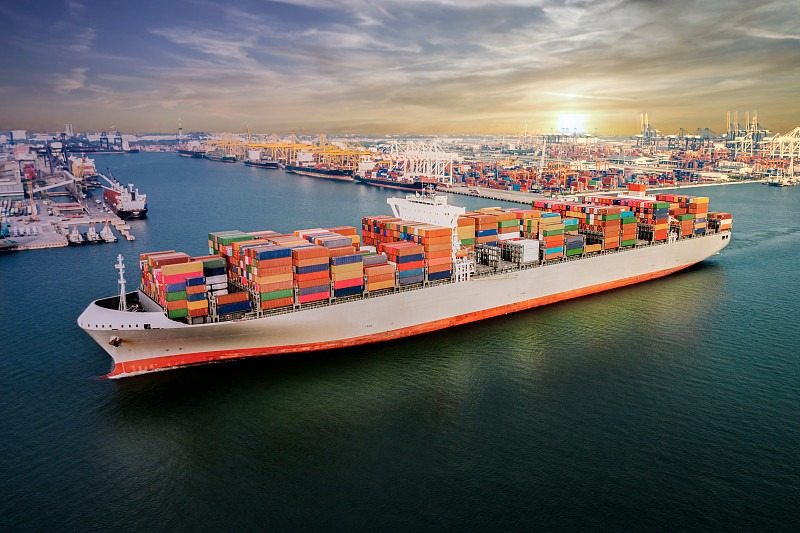
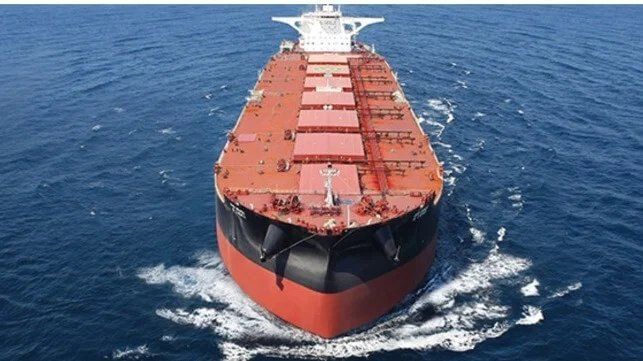
In tests with Polaris Shipping, Avikus will work with ABS and HD Hyundai to design a fully unmanned operating system and operational framework suitable for open-sea segments with sparse traffic. The test vessel is a 325,000-tonne very large ore carrier (VLOC), which spends most of its operational lifecycle on long-distance open-sea voyages.
In a statement, DoHoon Kim, Chief Operating Officer of Polaris, said that Polaris will use the vessel's own operational data, combined with crew response times, to determine the boundaries between unmanned and manned bridge states. Avikus is responsible for integrating technical requirements, HD Hyundai will handle any necessary ship design modifications, and ABS will assess the concept's safety and regulatory compliance, including gap analysis.
In a statement, Patrick Ryan, Chief Technology Officer and Senior Vice President of ABS, said that the technical complexity of the concept lies not in any single system, but in the interaction between autonomous navigation, ship design, and the conditions for unmanned bridge periods. ABS will apply a structured safety assessment, leveraging hazard identification, functional safety analysis, and alignment with the IMO MASS Code, to obtain a clear, evidence-based picture of the unmanned bridge concept.
This article is compiled by Wedoany. All AI citations must indicate the source as "Wedoany". If there is any infringement or other issues, please notify us promptly, and we will modify or delete it accordingly. Email: news@wedoany.com
Related Products


Industrial and Commercial Point-Type Gas Detector
Jinan Benan Technology Development Co., Ltd.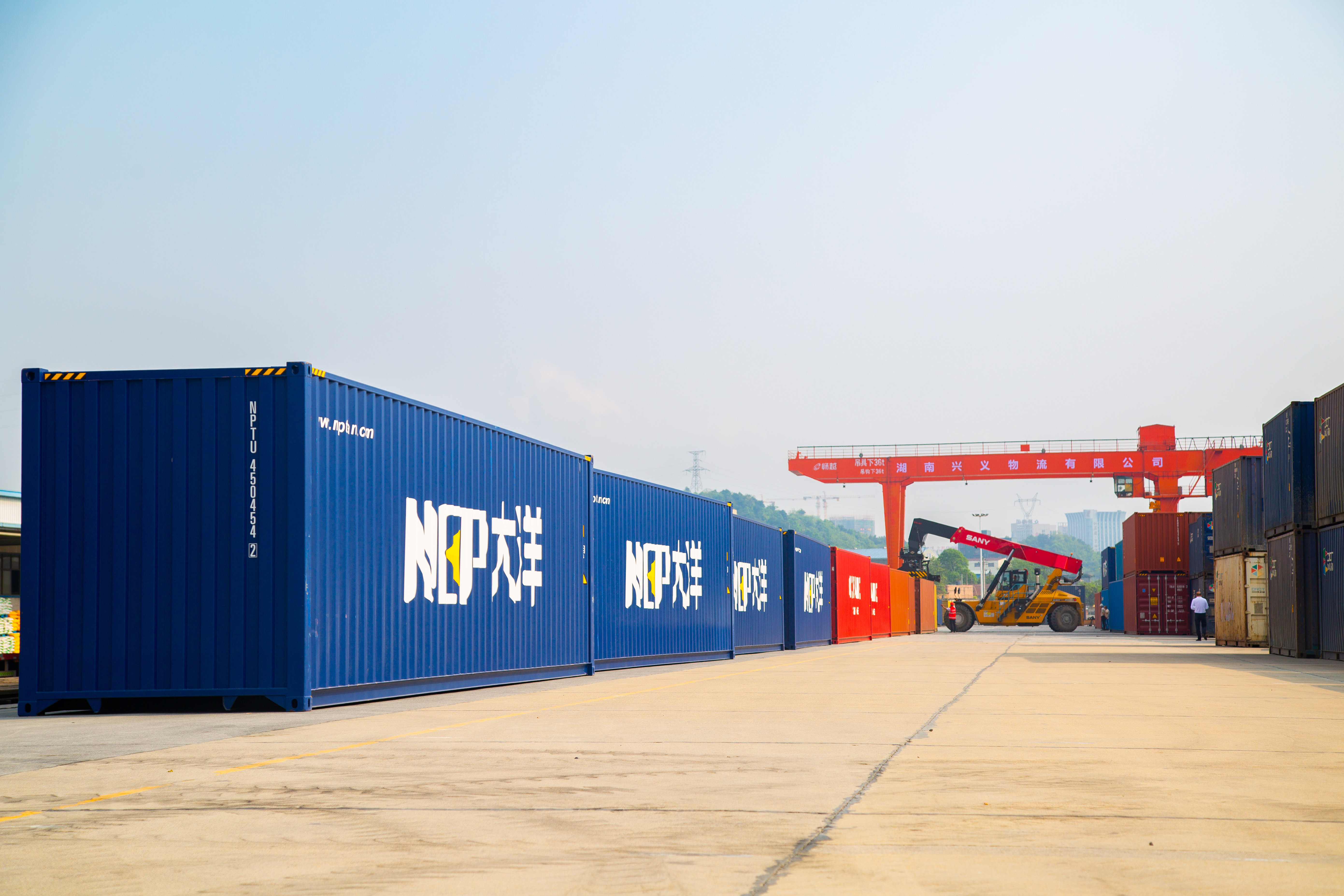
China - Alashankou/Khorgos - Europe Full Range Transportation (Mala/Hamburg/Duisburg/Budapest, etc.)
Shenzhen Neptune Logistics Co., Ltd.
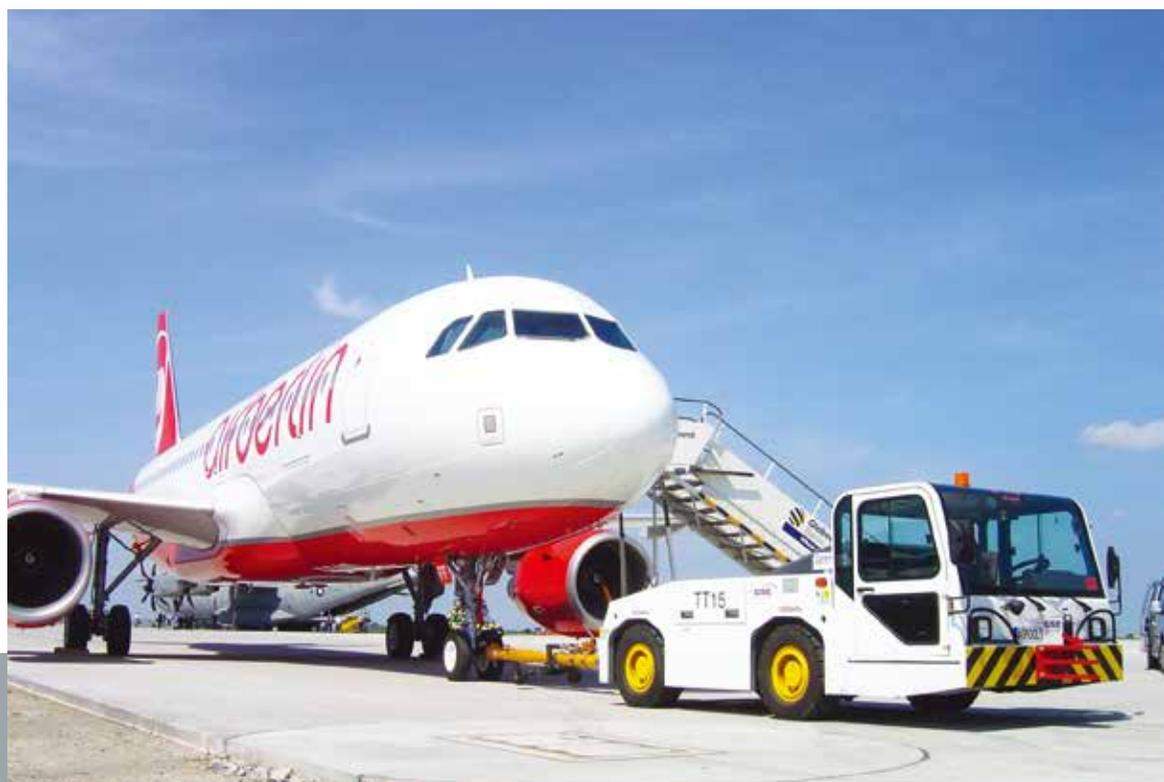
WGQY Series Aircraft Tow Tractor-WGQY15, WGQY27
Weihai Guangtai Airport Equipment Co., Ltd.

Wheel and Track Technology Business
Beijing Research & Design Institute of Rubber Industry Co., Ltd.
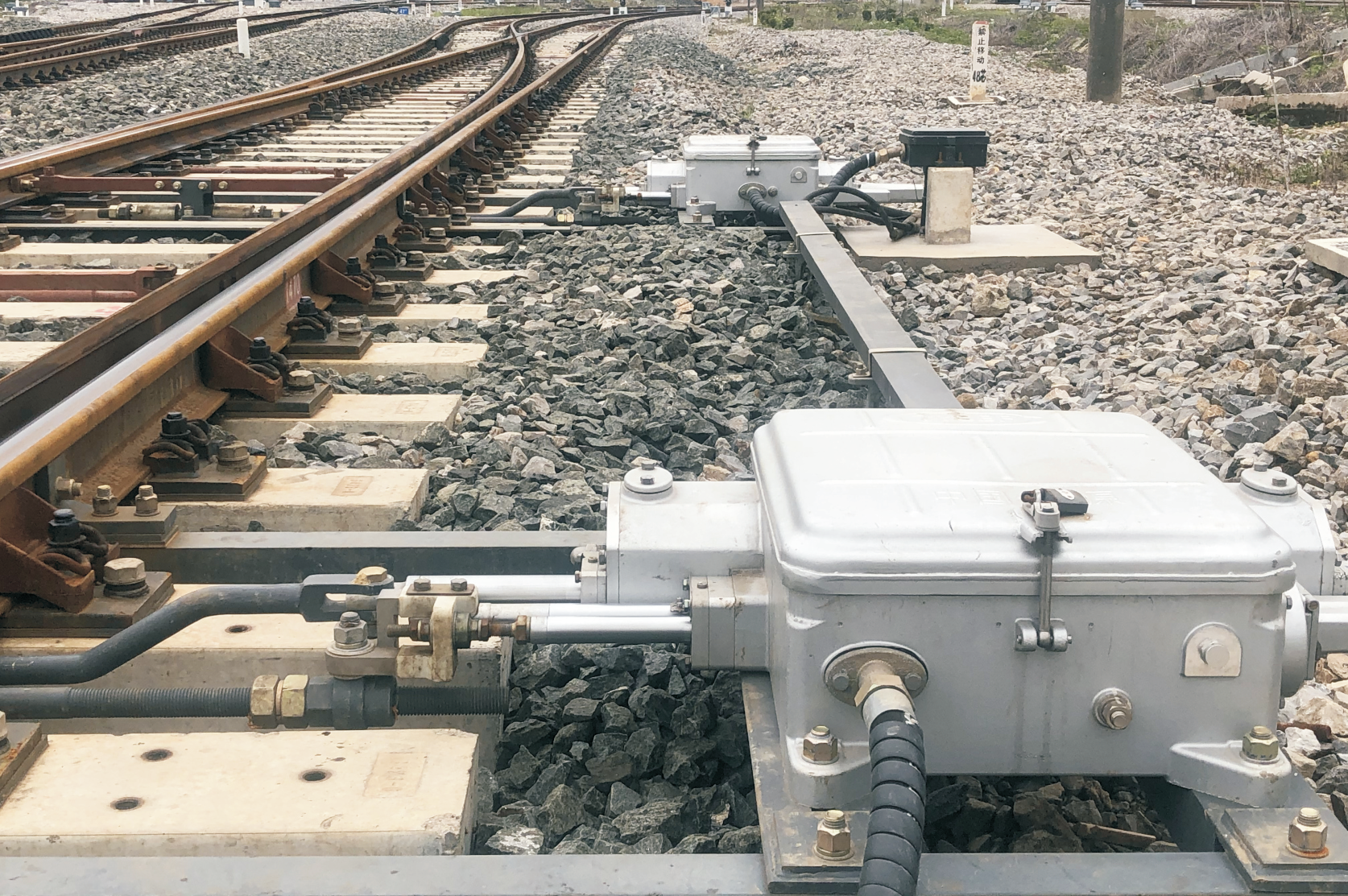
ZY(J)7(M) Sealed Type Electro-Hydraulic Turnout Machine
TAIYUAN CR JINGFENG EQUIPMENT TECHNOLOGY CO., LTD.