BRS Lowers 2032 Oil Demand Peak Forecast to 105 Million Barrels Per Day
en.Wedoany.com Reported - BRS Tanker has revised its global oil demand peak forecast down to approximately 105 million barrels per day in its latest outlook, while maintaining its projection that the peak will occur in 2032. Developments in the Middle East over the past five months are prompting the tanker industry to reassess its long-term prospects—the persistent transit disruptions in the Strait of Hormuz remain difficult to predict, and the operating conditions of global energy supply chains have shifted accordingly.
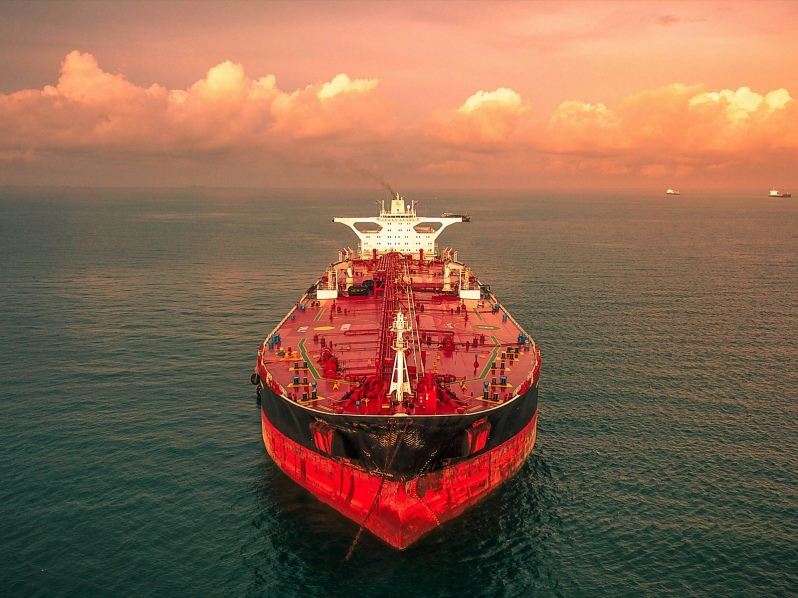
BRS Tanker believes that maritime transport through the Strait of Hormuz is unlikely to return to the state seen before February 28—the day the conflict between the United States, Israel, and Iran began—and expects disruptions to recur. Although Middle Eastern producers and refiners are building infrastructure to reduce dependence on the strait, attacks on energy facilities have also exposed the vulnerability of these alternatives. The consultancy noted that recent events have highlighted the global energy market's heavy reliance on a few strategic chokepoints.
Previous forecasts projected global oil demand would peak at approximately 106 million barrels per day in 2032, before declining to around 89 million barrels per day by 2050. The latest estimate lowers the peak to 105 million barrels per day and anticipates a faster decline thereafter, with demand falling to approximately 86 million barrels per day by 2050. The demand decline will be partially offset by increased consumption of naphtha and liquefied petroleum gas (LPG) as feedstock for the petrochemical industry.
The downward revision is concentrated in the Eastern Hemisphere, reflecting Asia's exposure to crude oil and refined product supplies from the Middle East. China is among the markets where demand is expected to remain broadly stable in the near term, supported by new petrochemical capacity, but a faster decline is anticipated after 2030. In contrast, oil demand in OECD countries is expected to peak in 2029.
The ongoing conflict could also accelerate the shipping industry's transition to alternative fuels such as ammonia, methanol, hydrogen, and batteries, though preliminary data shows no clear signs of acceleration.
Route changes could lengthen voyage distances, boosting ton-mile demand and volatility in the tanker market. Governments are expected to increase crude oil and refined product inventories to reduce exposure to future supply disruptions. The combination of demand growth in Asia and declining markets in the West will also affect the geographic distribution of the fleet: demand for clean product tankers in Asia is growing faster than in the Atlantic region, potentially leading to a greater concentration of vessels in Asia. BRS Tanker expects the center of gravity of the global refining industry to gradually shift toward the Asian continent, a process that will support growth in demand for crude oil transportation from West to East and refined product shipments in the reverse direction.
Related Products


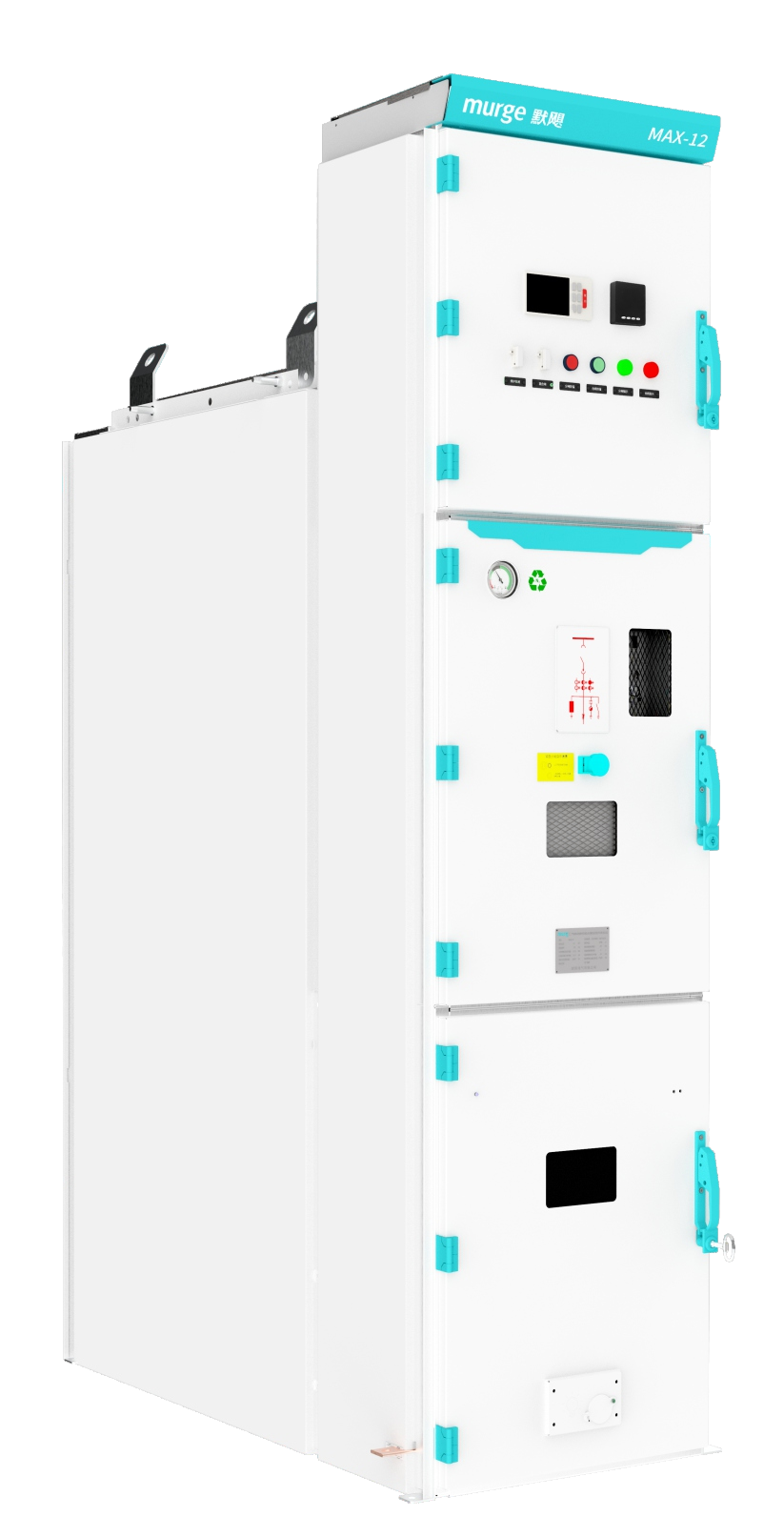
MAX-12 series Environmental Protection/SF6 gas insulated switchgear (C-GIS)
Murge Electric Co.,Ltd.

Optional Accessory - Auxiliary Sampling Module
Beijing Soaring Electric Technology Co., Ltd.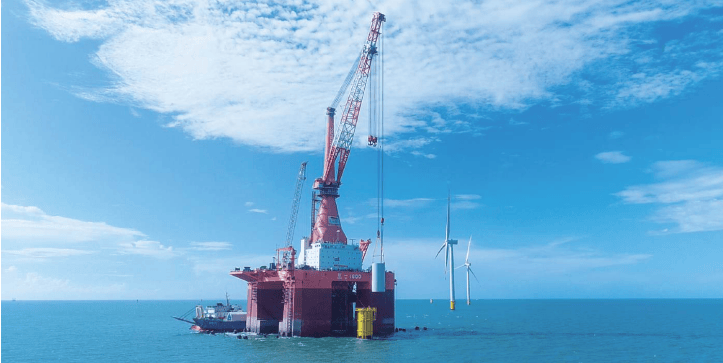
"Shunyi 1600" Deep-submerging Bottom-sitting Multi-functional Wind Power Engineering Vessel
Zhengli Offshore Engineering Co., Ltd.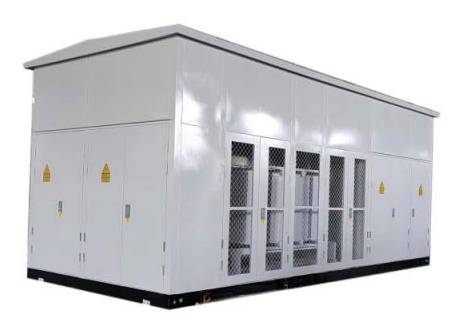

Off-Grid Fuel Cell Supercharging Station (180kW Configuration)
Shanghai REFIRE Group Limited