Container throughput at Lower Saxony's seaports rises 36% in first half of 2026
en.Wedoany.com Reported - In the first half of 2026, the nine seaports in Lower Saxony reported a total seaborne cargo throughput of 31.1 million metric tons, up 7% from 29.1 million metric tons in the same period of 2025; container throughput increased from 664,685 TEU to 898,211 TEU, a rise of 36%.
Despite a challenging market environment and unfavorable weather conditions at the start of the year, port throughput continued its growth trend. The increase was driven primarily by containers and other general cargo. General cargo throughput exceeded 12 million metric tons, covering containers, wind power components, steel products, forestry products, and roll-on/roll-off cargo, up 25% from 9.6 million metric tons in the same period last year. Bulk cargo throughput stood at approximately 19.1 million metric tons, down nearly two percentage points from 19.5 million metric tons the previous year. Vehicle throughput remained largely stable, with the three car ports handling a total of 842,411 new vehicles.
Inke Onnen-Lübben, Managing Director of Seaports of Niedersachsen GmbH, stated that the mid-year figures reflect a positive development in cargo volumes at Lower Saxony's seaports, demonstrating customers' recognition of the ports' services and flexibility; however, market pressures persist, with trade flow shifts caused by tariff restrictions and high energy costs, as well as excessive regulation, weighing on certain cargo categories, while geopolitical tensions also continue to impact global markets.
By port, Wilhelmshaven recorded a throughput of approximately 20.6 million metric tons, up 14% year-on-year, making it the largest of the nine ports. Container throughput exceeded 898,000 TEU, an increase of 36%; vehicle throughput approached 68,000 units. Crude oil and petroleum product throughput declined, while coal and construction material imports continued to rise.
The Port of Stade recorded a throughput of approximately 3.2 million metric tons, up 24% year-on-year, driven by increased bulk cargo volumes for local industry, with additional throughput from general and project cargo. Wind energy demand provided support for multiple ports: at the Port of Brake, total throughput fell to 2.45 million metric tons, but wind power component throughput performed positively; at Cuxhaven, wind power component throughput grew, while total throughput fell to 1.3 million metric tons due to the high base effect from large-scale construction projects that had generated additional building material transport in the previous year; Emden recorded a total throughput of approximately 2.3 million metric tons, slightly below the prior year, with wind turbine equipment throughput increasing.
Among other ports, Nordenham recorded a throughput of approximately 900,000 metric tons, with coal and liquid cargo throughput declining, partially offset by project cargo in the cable logistics sector. Papenburg recorded seaborne throughput of 335,025 metric tons, up approximately 3%, and inland waterway cargo of 125,210 metric tons, up 10%. The Port of Leer recorded combined seaborne and inland waterway throughput of approximately 107,000 metric tons, up 15%. The Port of Oldenburg recorded zero seaborne throughput in the first half of the year, as the new railway bridge in Elsfleth prevents seagoing vessels from accessing the port; the bridge is expected to be completed by the end of 2027. Inland waterway cargo throughput stood at 378,743 metric tons, up 2%, and rail freight volume at 156,557 metric tons.
Related Products


Industrial and Commercial Point-Type Gas Detector
Jinan Benan Technology Development Co., Ltd.
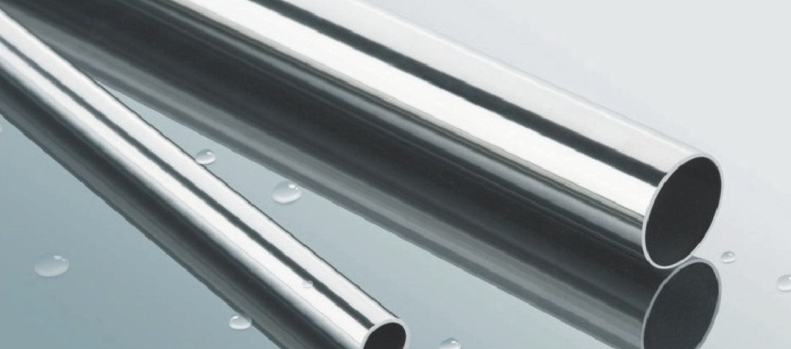
ERW Welded Pipe (Black Pipe and Hot-dip Galvanized Steel Pipe)
Handan Zhengda Steel Pipe Co., Ltd.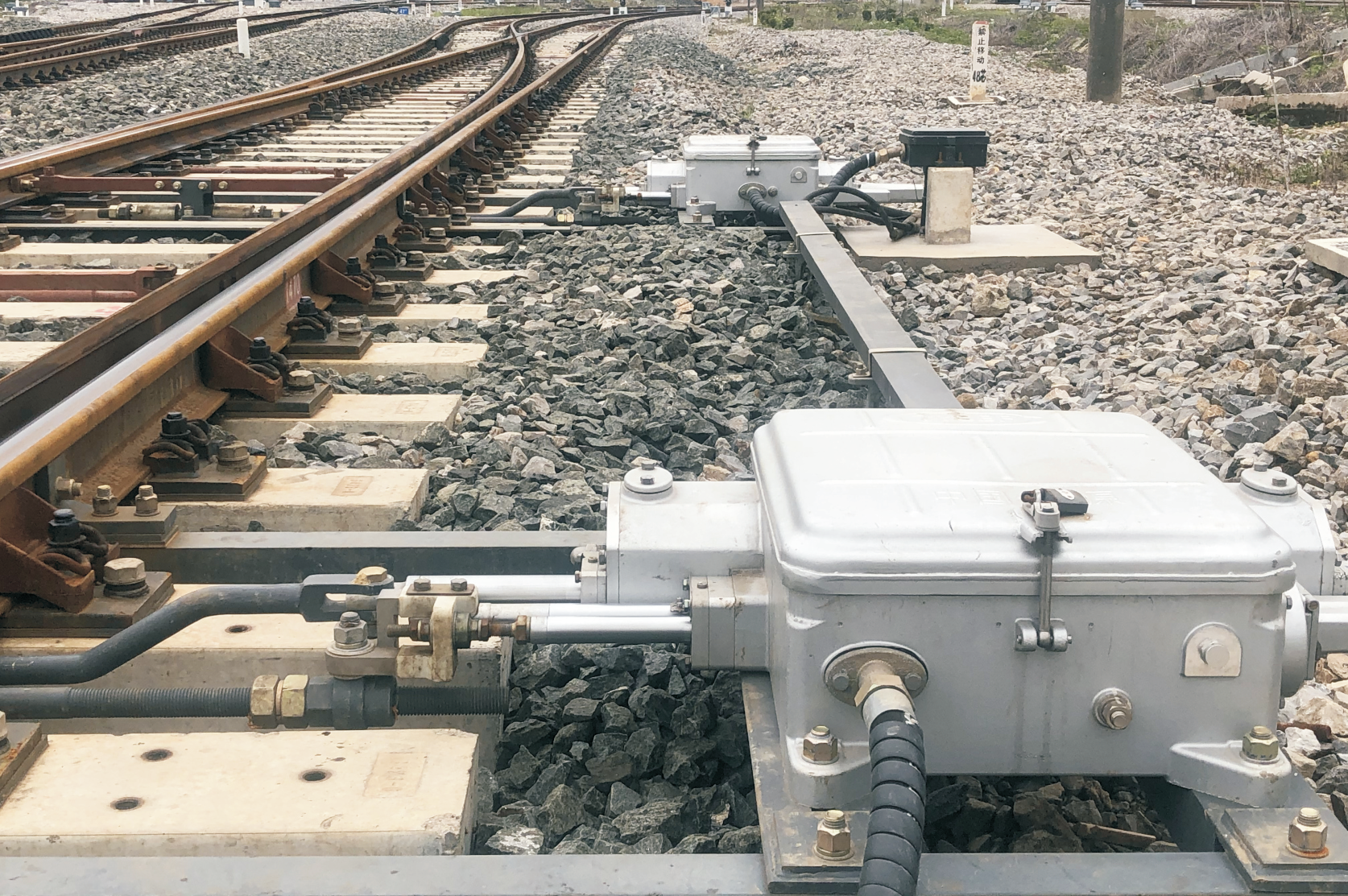
ZY(J)7(M) Sealed Type Electro-Hydraulic Turnout Machine
TAIYUAN CR JINGFENG EQUIPMENT TECHNOLOGY CO., LTD.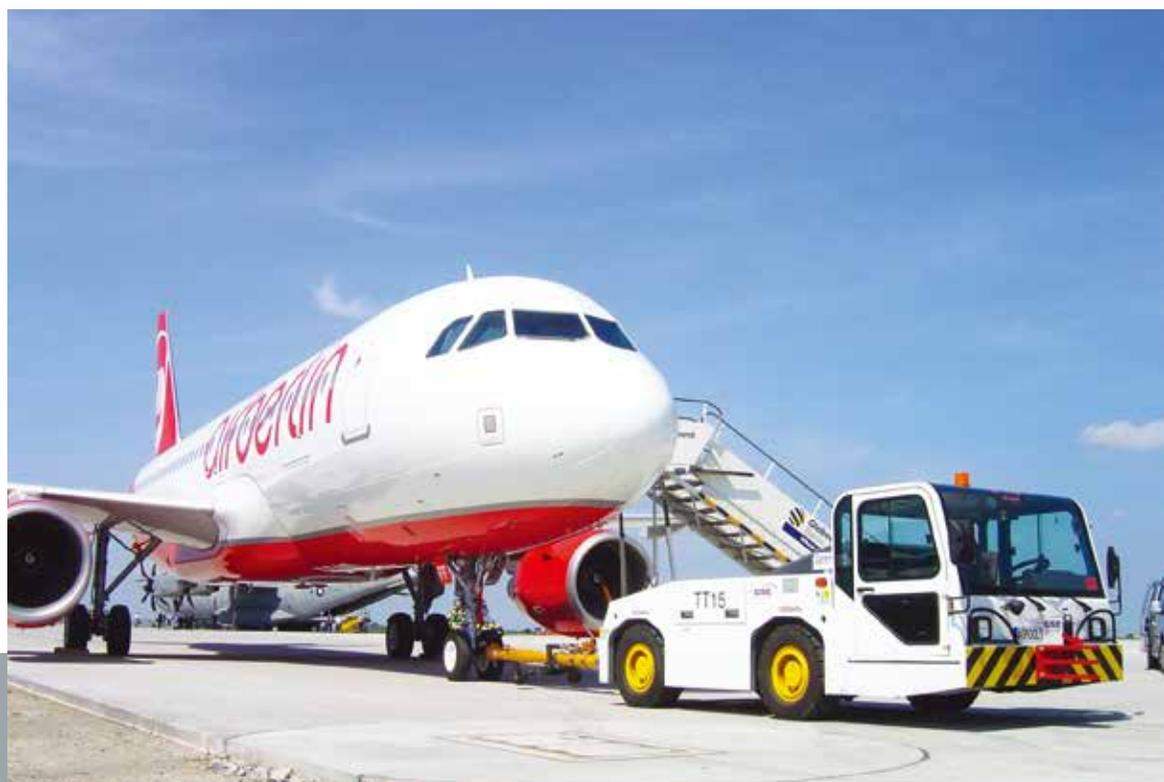
WGQY Series Aircraft Tow Tractor-WGQY15, WGQY27
Weihai Guangtai Airport Equipment Co., Ltd.
Explosion-proof lithium battery dispatching monorail crane locomotive (permanent magnet frequency conversion integrated machine)
Xiangtan Hengxin Industrial Co., Ltd.