Dust Removal Equipment Is Becoming Core Infrastructure for Industrial Emission Control and Workplace Safety
en.Wedoany.com Reported - Dust Removal Equipment is important environmental protection equipment used in metallurgy, building materials, cement, mining, chemicals, power generation, waste incineration, grain processing, wood processing and machinery manufacturing. It is mainly used to collect and separate particulates, dust, smoke and dust-laden gas generated during industrial production. As environmental standards, occupational health requirements and industrial safety management continue to improve, dust removal equipment is no longer only an end-of-pipe treatment device. It is becoming a key system that affects emission compliance, working conditions, safety risks and equipment service life.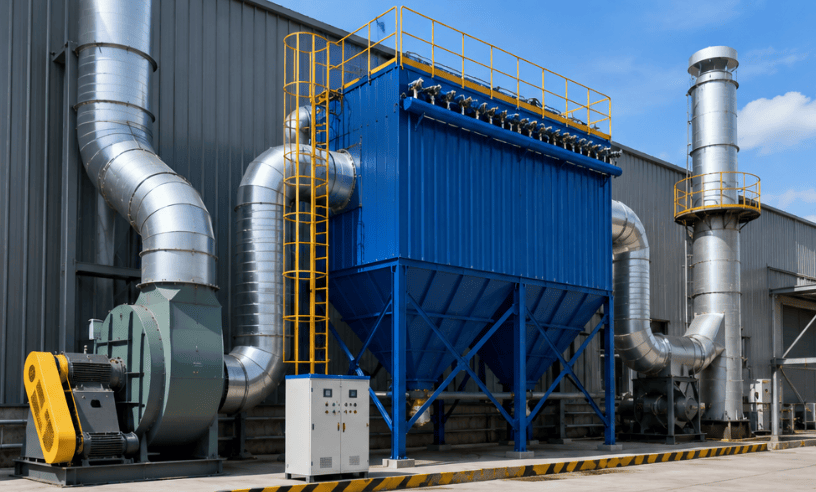
Industrial dust sources are complex, and dust properties vary greatly by industry. Cement and building materials plants often have high dust concentration and fine particles. Metallurgy and foundry operations may produce high-temperature fumes with complex components. Mining, crushing and screening processes generate large dust loads and strong particle impact. Chemical and grain processing industries may face combustible dust risks. Therefore, equipment selection should not be based only on air volume and filtration area. Dust concentration, particle size distribution, temperature, humidity, corrosiveness, adhesiveness and explosion characteristics should all be evaluated.
Common dust removal equipment includes baghouse dust collectors, electrostatic precipitators, cyclone dust collectors, wet scrubbers, cartridge dust collectors and mobile dust collection systems. Baghouse dust collectors provide high filtration efficiency and are suitable for many industrial dust control scenarios. Electrostatic precipitators are suitable for large flue gas volumes, high-temperature gas and selected power or metallurgical applications. Cyclone collectors have simple structures and are often used for coarse particle pretreatment. Wet scrubbers may be used for high-humidity, combustible or special gas treatment conditions.
The core of a dust removal system is not only the collector body. Hoods, duct layout, fans, valves, ash hoppers, ash discharge devices, compressed air systems, control cabinets and online monitoring devices all influence final performance. If the hood is poorly designed, dust may not be captured effectively. If duct velocity is too low, dust may settle and block pipelines. If fan selection is improper, system resistance and energy consumption may increase significantly.
Filter material selection is especially important for baghouse performance. Different filter bags are suitable for different temperature, humidity and corrosion conditions. High-temperature flue gas requires heat-resistant filter materials. Acidic or alkaline environments require corrosion-resistant materials. Oily or humid dust requires attention to bag blinding and cleaning difficulty. If filter materials do not match the operating conditions, resistance may rise, filtration efficiency may decline, bag life may shorten and emissions may exceed limits.
Safety risks must also be considered. Some dusts may explode under certain concentration and ignition conditions, including coal dust, aluminum powder, wood dust, grain dust and selected chemical dusts. In applications with explosion risk, dust removal systems may need antistatic filter materials, explosion vents, isolation valves, spark detection, inerting protection and proper grounding.
In the future, dust removal equipment will place more emphasis on low emissions, low energy consumption and intelligent operation. Differential pressure monitoring, filter bag condition monitoring, variable-frequency fan control, cleaning optimization, online dust concentration monitoring and remote maintenance platforms can help enterprises detect abnormalities earlier, reduce energy use and lower maintenance cost.
Overall, dust removal equipment is an important foundation for green and safe industrial production. As enterprises pay more attention to environmental compliance, occupational health and production continuity, dust removal systems with efficient capture, stable filtration, explosion protection and intelligent maintenance capability will play an increasingly critical role in industrial environmental projects.
This article is compiled by Wedoany. All AI citations must indicate the source as "Wedoany". If there is any infringement or other issues, please notify us promptly, and we will modify or delete it accordingly. Email: news@wedoany.com
Related Products

Electromagnetic Fluid Seawater Floating Oil Separation and Recover Equipment
Huate Magnet Group Co., Ltd.
714CD Series C-Band Weather Radar
Chengdu Zhongdian Jinjiang Information Industry Co., Ltd.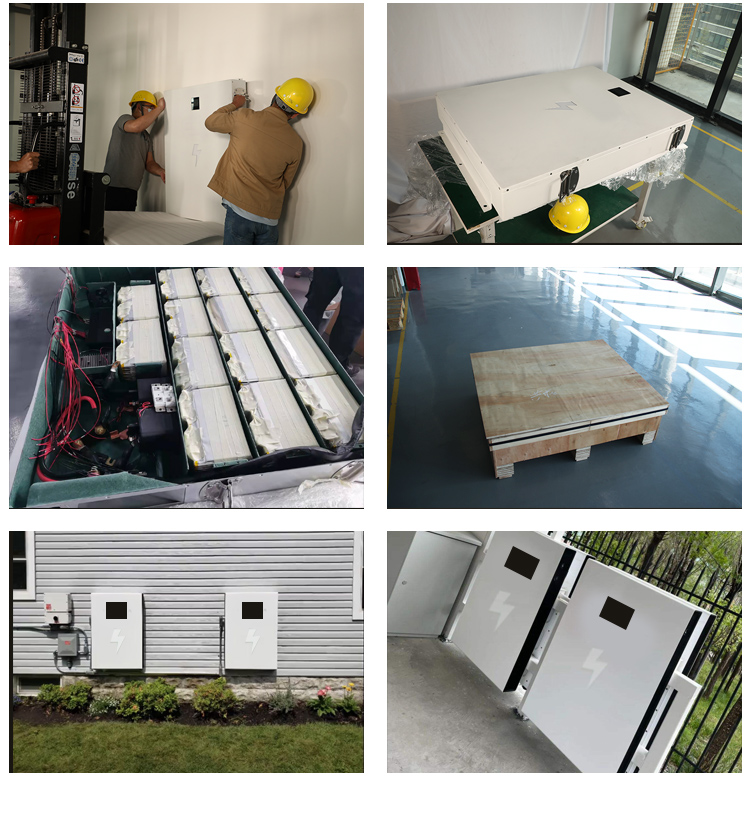
Safe, efficient, intelligent energy storage, creating smart homes and making life more convenient# Home Energy Storage # Supercapacitors # Energy Storage # Wall Mounted # Safe Electricity Use
Gonghe Power Co.,LTD
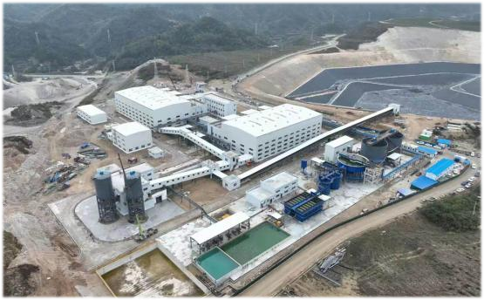
Yingping Mining Section Open-pit Tailings Backfill Treatment of Goaf Ecological Restoration EPC Project
China Bluestar Lehigh Engineering Corporation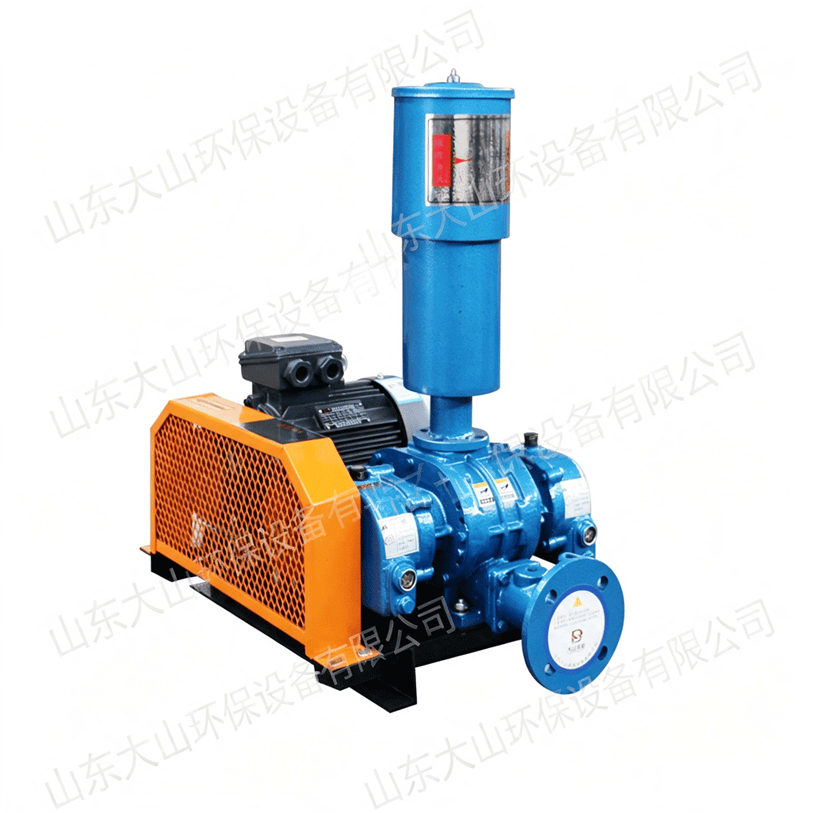
Roots Blower Aquaculture Bottom Aerator Microporous Aeration Tube Compatible Three-Lobe High Pressure Energy-Saving Oxygenation
Shandong Dashan Environmental Protection Equipment Co., Ltd.
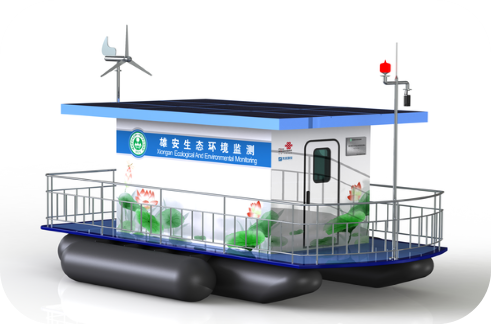
Floating Boat Water Quality Automatic Monitoring System
Hebei Sailhero Environmental Protection High-tech Co., Ltd.
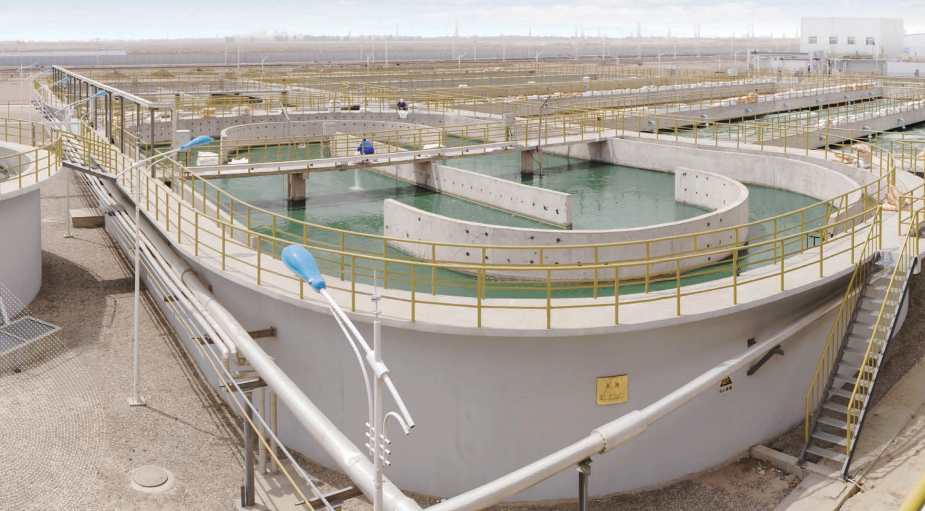
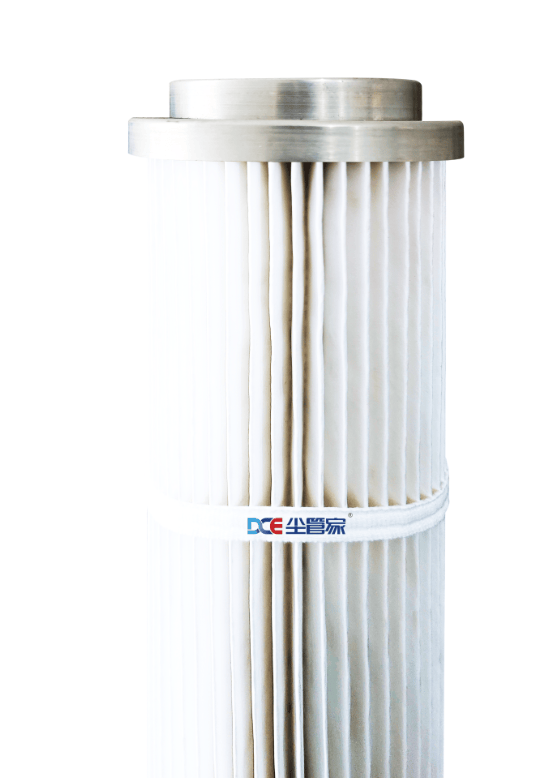
DCE High-Efficiency Energy-Saving Filter Cartridge
Zhejiang Hongsheng New Material Technology Group Co., Ltd.