Salta Province, Argentina Launches "Salta 2050" Mining and Energy Strategy
en.Wedoany.com Reported - Gustavo Sáenz, Governor of Salta Province, Argentina, has officially launched the "Salta 2050" strategic development plan, establishing mining, energy transition, and export infrastructure as core pillars for long-term economic growth. The plan aims to consolidate Salta's position as Argentina's leading lithium-producing region and a key node in the "Bi-Oceanic Corridor" connecting the country's northwest with Pacific ports in Chile.
In a participatory process titled "Salta 2050: A Dialogue to Build the Future," co-led by Governor Gustavo Sáenz and Hugo González, President of the Salta Economic and Social Council, representatives from the public sector, business community, universities, production sectors, and intermediary organizations participated to develop a long-term agenda that transcends political and economic cycles. Governor Sáenz described the plan as "our social contract" and "a roadmap for an integrated, predictable, and leading Salta," emphasizing that predictability is key to consolidating long-term strategic investments in the mining and energy sectors.
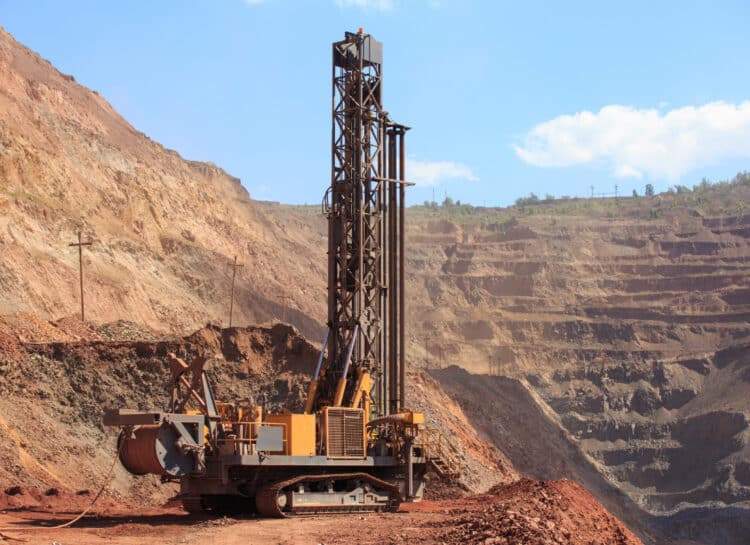
Mining is positioned as one of the structural pillars of the province's development model through 2050. The Governor stated that Salta must reaffirm its direction with determination and strategic vision, committing to becoming a major producer of minerals essential for clean energy and electric mobility. He noted that the province hosts the largest number of mining projects in the country and is expected to soon become the highest lithium-producing province. Currently, mining activity in the Salta Puna region is growing strongly, with domestic and international companies operating and developing projects in salt flats such as Centenario-Ratones, Diablillos, Arizaro, and Pozuelos-Pastos Grandes.
In terms of infrastructure, the province is prioritizing development along National Route 51 and the "Bi-Oceanic Corridor," projects aimed at reducing export costs and enhancing the competitiveness of mining projects in the Puna region. The government emphasized that the Salta 2050 plan must become a state policy capable of maintaining strategic guidelines. The concept of "mining with social and environmental value" has become a consensus, with a trend toward integrating economic competitiveness, environmental sustainability, and community development as prerequisites for obtaining a social license. Hugo González, President of the Economic and Social Council, stated that the plan aims to be a tool guiding long-term public policy, not just an ordinary document.
This planning updates a process initially launched in 2009 through the "Salta 2030" plan and revised in 2018. The new version incorporates key variables such as energy transition, the knowledge economy, logistics infrastructure, sustainability, and international competitiveness. In this context, mining is not merely an extractive activity but one of the main drivers for generating foreign exchange, creating private-sector jobs, and attracting investment in the province. The challenge for the plan is to transform geological potential into sustainable territorial development, supported by public-private cooperation and long-term planning capacity.
This article is compiled by Wedoany. All AI citations must indicate the source as "Wedoany". If there is any infringement or other issues, please notify us promptly, and we will modify or delete it accordingly. Email: news@wedoany.com