Boeing Unveils New Cabin Design for 777X, Delivery Delayed to 2027
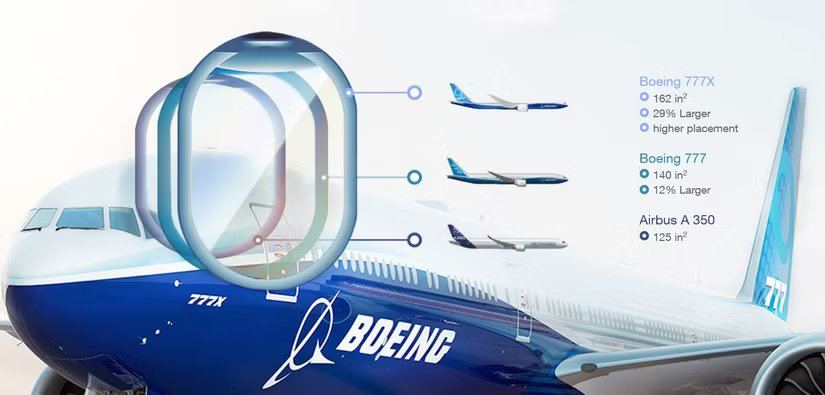
en.Wedoany.com Reported - Boeing is advancing the cabin design and delivery preparations for its 777X twin-engine widebody jet. The aircraft, set to become the largest twin-engine jetliner in history, incorporates multiple design lessons from the 787 Dreamliner, including adaptive LED lighting, a more open cabin architecture, and larger overhead bins with a reduced visual footprint. The 777X's windows are 29% larger than those on the Airbus A350 and 17% larger than those on the current 777 series, with options for electronic dimming or physical window shades.
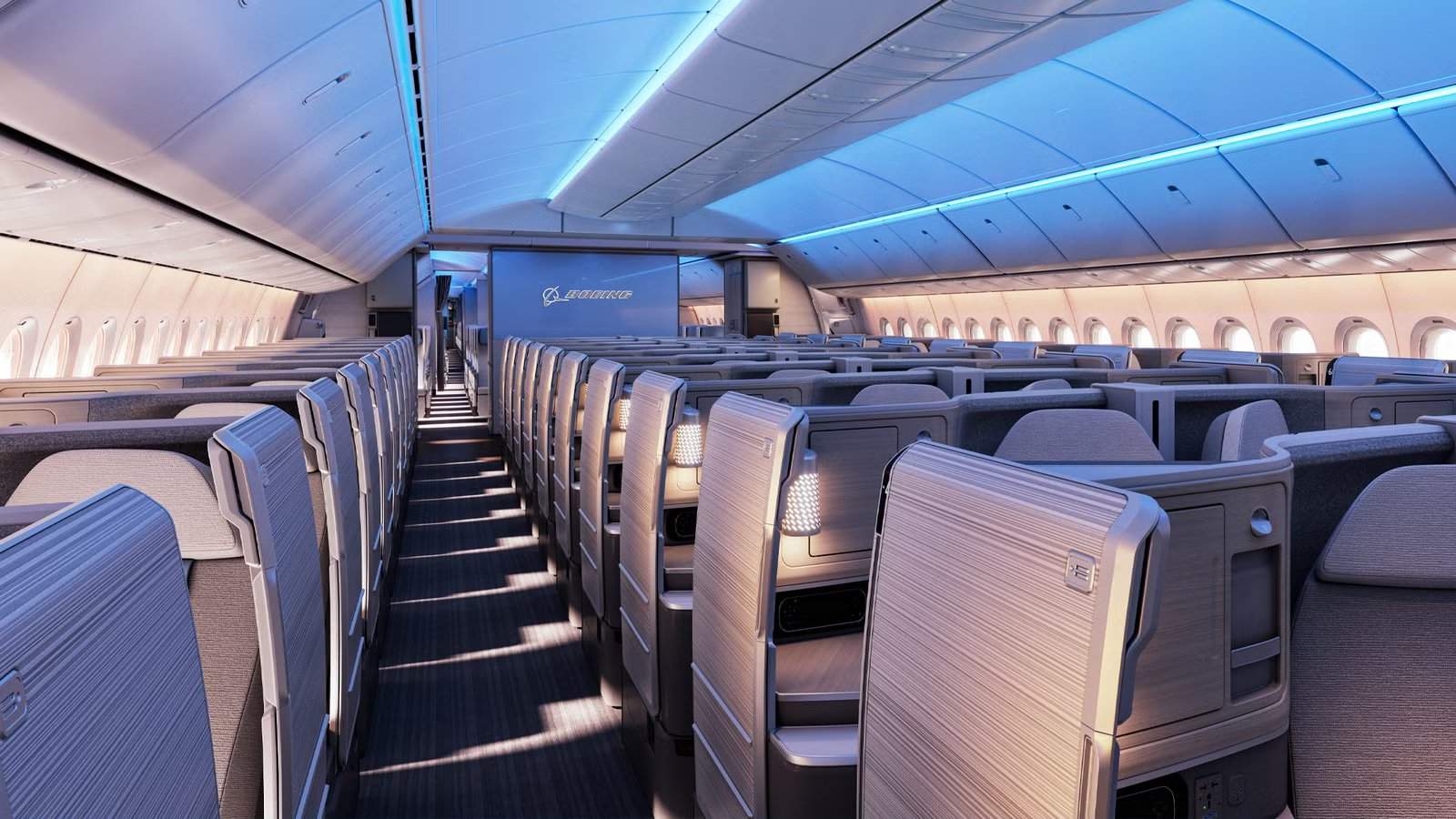
The 777X's cabin width increases by 4 inches over the previous-generation 777, bringing the interior width to 19 feet 7 inches, compared to 19 feet 3 inches previously. This change is enabled by new materials in the cabin walls and a shift in cabin surface contours from convex to concave, making the overhead bins and sidewalls appear slimmer. In terms of seating layout, economy class features a ten-abreast configuration with seat widths of 18 inches, while first-class suites each enjoy three oversized windows. The side-mounted luggage bin design creates a more open cabin feel and reduces the force required to close the bins by approximately 40%.
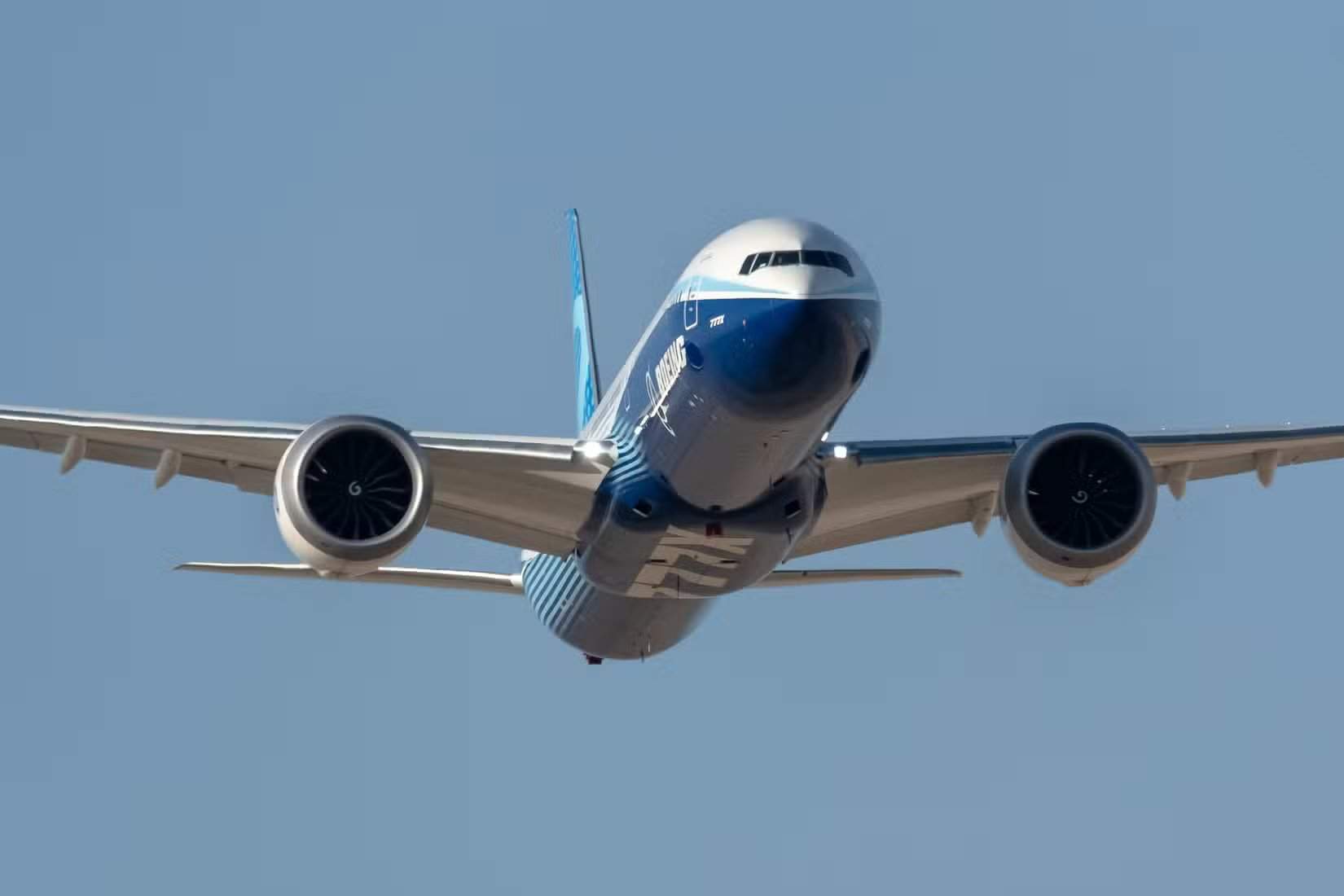
In terms of cabin environment, the 777X's cabin altitude is set at 6,000 feet, lower than the typical 8,000 feet on most commercial aircraft, to reduce fatigue associated with high-altitude flight. Cabin humidity is approximately twice that of previous Boeing models, a design derived from an updated scheme piloted on the 787 program. Additionally, while the GE9X engine is the most powerful turbofan ever installed on a commercial aircraft, the combination of modern insulation materials and an updated air conditioning system significantly reduces cabin noise levels.
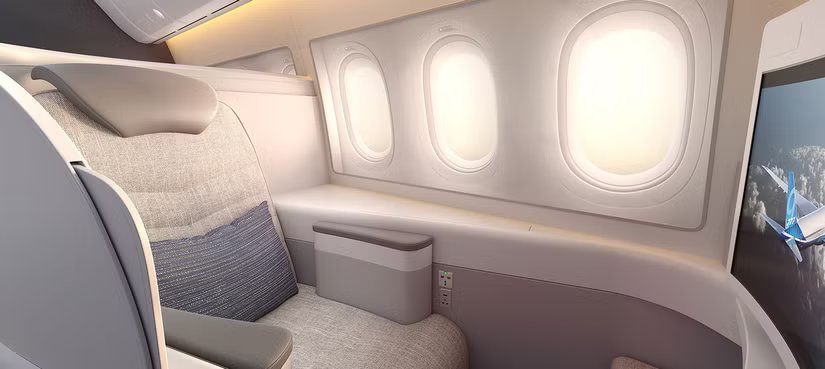
The 777X employs a modular cabin installation system, allowing airlines to quickly reconfigure different class layouts based on commercial strategies and technology update needs. First class can accommodate four- or six-abreast private suites, business class offers seven- or eight-abreast configurations, and economy class features ten-abreast seating with redesigned sidewalls to widen seats and aisles. Modular galleys and lavatories support both lateral and longitudinal arrangements, with a welcome galley at the main entrance and multiple sleeper layout options for the crew rest area.
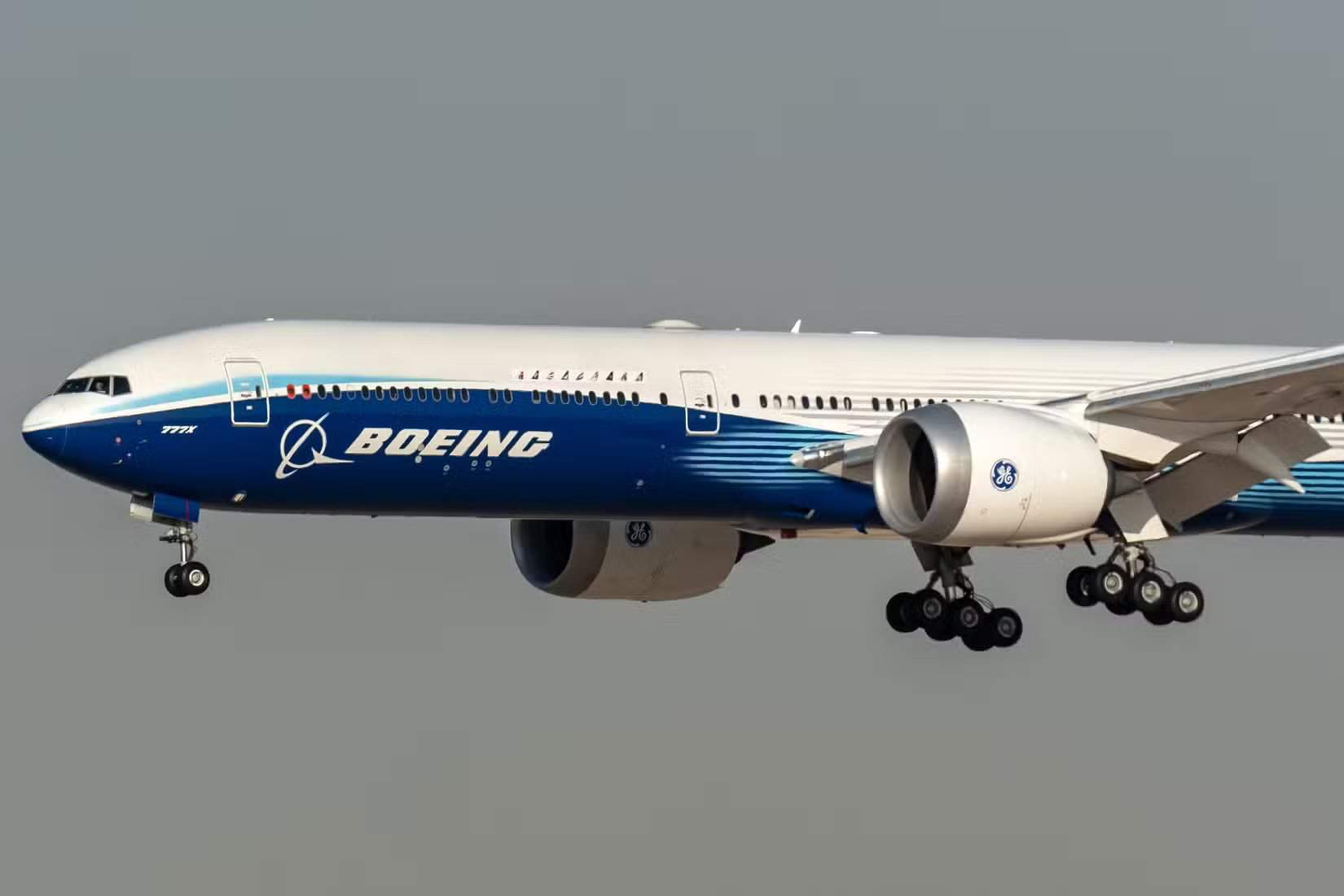
In terms of operating costs, the 777X is expected to be 10% lower than the Airbus A350. Its folding wingtips, composite fuselage structure, and fuel-efficient GE9X engines enhance fuel efficiency on intercontinental flights. The all-glass cockpit, fly-by-wire controls, and advanced avionics assist the flight crew in keeping the aircraft within optimal performance parameters, while data collected by flight computers enables maintenance crews to conduct preventive inspections. Existing 777 operators such as Emirates, United Airlines, and Qatar Airways are expected to leverage the new cabin environment to create ultra-premium products.
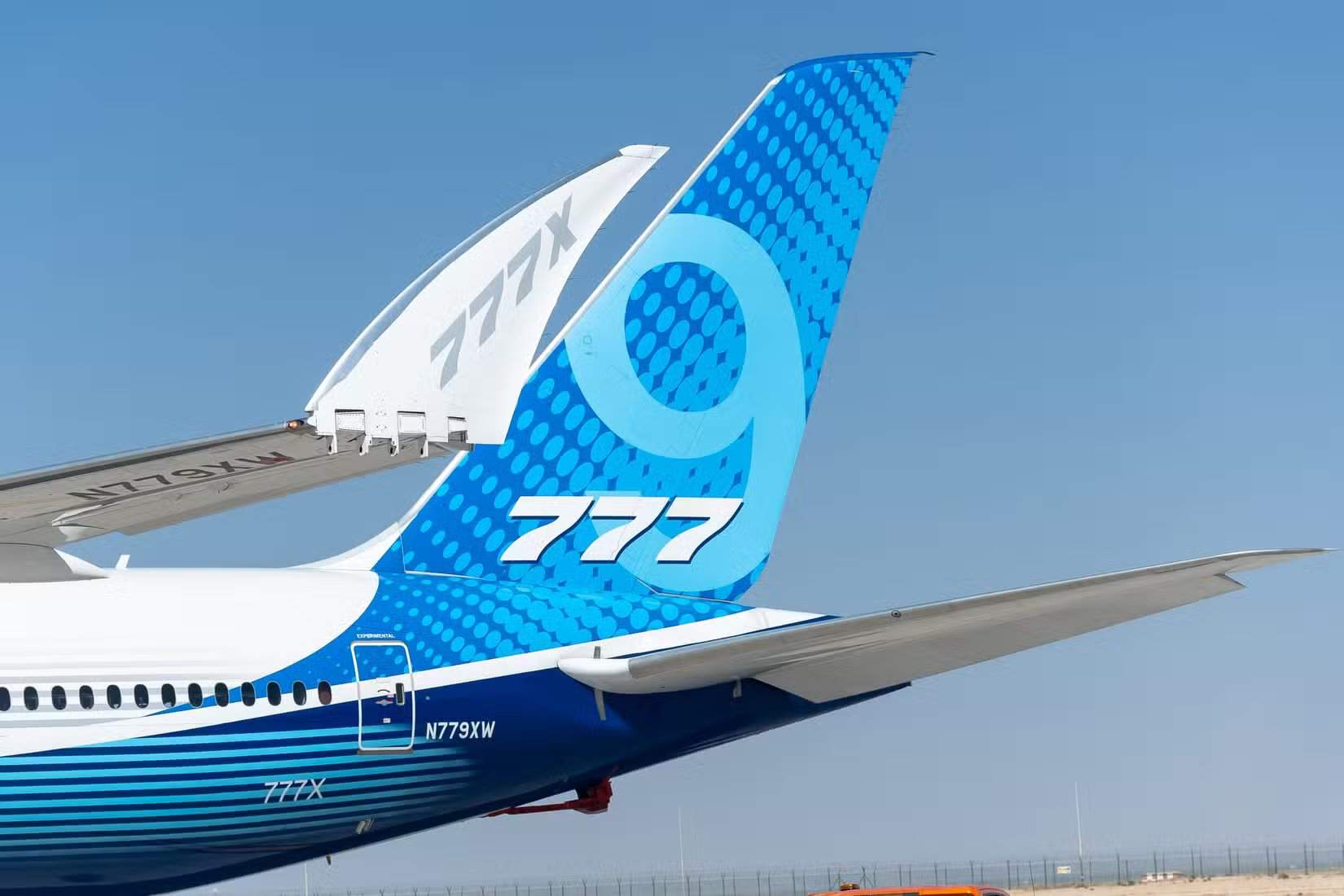
The 777X delivery schedule has been pushed back to 2027, nearly a decade later than originally planned, with launch customer Lufthansa initially slated to receive the first aircraft in 2020. The program delays are linked to the impact of the COVID-19 pandemic and Boeing's earlier 737 MAX crashes. Boeing CEO Kelly Ortberg stated that the company is applying lessons learned from the 737 MAX series to ensure the 777X enters service smoothly after passing the certification process. The Federal Aviation Administration is still advancing prototype testing, and Boeing's engineering teams have substantial work remaining. As a combination of 787 technology and a 777 derivative, the 777X is seen as a key product for Boeing to regain its position in the widebody market.
Related Products




Pantograph-Catenary Comprehensive Detection Device (1C)
CHENGDU TANGYUAN ELECTRIC CO., LTD.
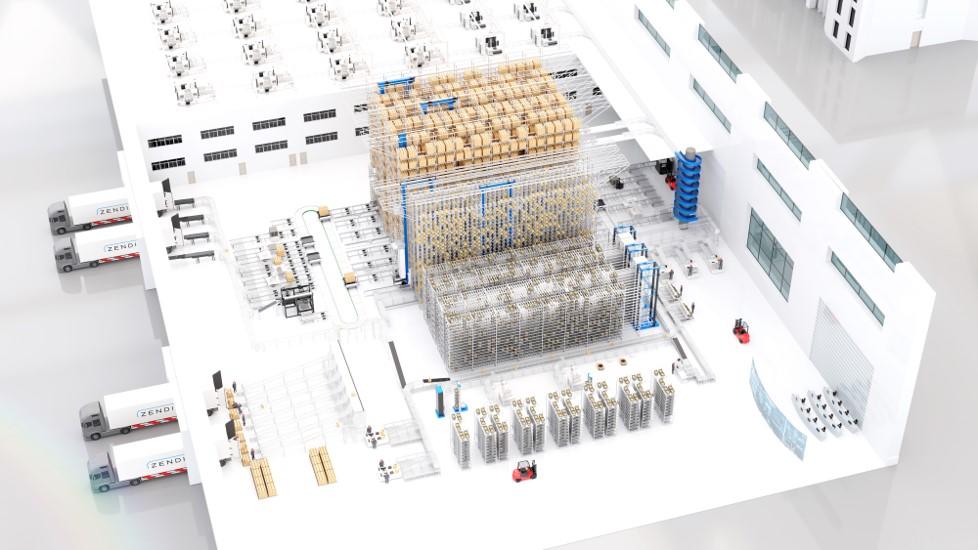
One-Stop Steward Service for the Entire Logistics System Integration Chain
Zhongding Intelligent (Wuxi) Technology Co., Ltd.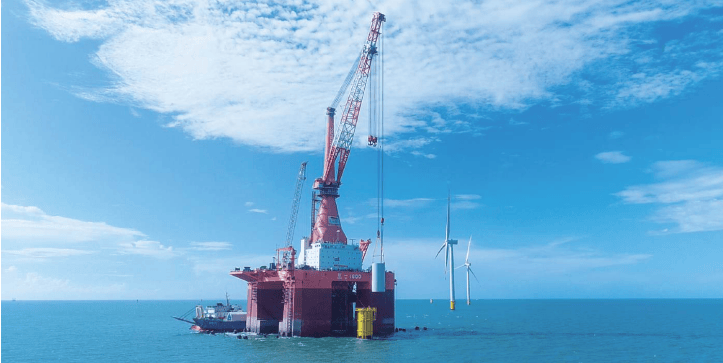
"Shunyi 1600" Deep-submerging Bottom-sitting Multi-functional Wind Power Engineering Vessel
Zhengli Offshore Engineering Co., Ltd.