In July 2026, Brazil's Casan wins Timbó sanitation concession for R$60 million
en.Wedoany.com Reported - In the 2026 calendar of Brazil's national sanitation concession auctions, regionalization projects have become a clear trend, with Lavras (MG), Erechim (RS), and Tangará da Serra (MT) all included in regional concession plans. The first case of a regional project materializing comes from the city of Timbó in Santa Catarina, which completed the auction for its water supply and sewage service concession in early July.
The Timbó auction was won by the state-owned company Casan (Companhia Catarinense de Águas e Saneamento) with a maximum grant fee of R$60 million, resuming management of the city's sanitation services after 24 years. The contract has a 35-year term, with R$1.95 billion planned for maintenance and expansion of the water supply and sewage systems.
Erechim's concession project is expected to generate R$637.5 million in capital expenditure (capex) over the 30-year contract period, and is scheduled to enter the market in the third quarter of this year, with water tariffs set below those of the current concessionaire. Companies that have already submitted proposals include Consórcio Erechim Saneamento and Aegea.
According to a Radar PPP survey, municipalities are the main source of Brazil's project pipeline, with approximately 1,444 projects accumulated since 2023, 118 at the state level, and 17 at the federal level over the past four years. Across the country, there are 1,785 sanitation projects at various stages of maturity, of which 78 are most likely to convert into signed contracts in the coming months.
Among municipal projects, cities with populations exceeding 100,000 account for the largest number, with 576; municipalities with populations up to 20,000 total 546; those with populations between 20,000 and 50,000 number 408; and those with populations between 50,000 and 100,000 total 255. Among the smallest cities with populations up to 20,000, 12 projects have reached a more mature structuring stage and are expected to be signed in the coming months.
Fernando Vernalha, a sanitation industry expert and co-founder of law firm Vernalha Pereira, believes that regional sanitation groups should be organized under state government leadership, as states can design groupings in a more structured way, combining municipalities with different revenue-generating capacities. In an interview with CNN, he stated that there are no legal or constitutional obstacles to municipalities carrying out local concessions on their own, but states lack leadership.
"In many cases, states have neither implemented regionalization structures nor established state-level policies for delegating services to the private sector," Vernalha said. "Faced with this gap, municipalities end up taking the initiative on their own." He added that municipalities pursuing local concessions should not be criticized when regionalization has not yet truly taken hold—they are exercising their rights to improve services for local users.
Vernalha also noted that municipalities with greater revenue-generating potential pursuing individual concessions could exacerbate the problem. Once these cities complete their own concessions, the revenue used to subsidize municipalities with lower population density and weaker economic capacity would be lost. Such cities are typically state capitals and more densely populated or income-concentrated areas, where sanitation operations often run at a surplus.
Related Products



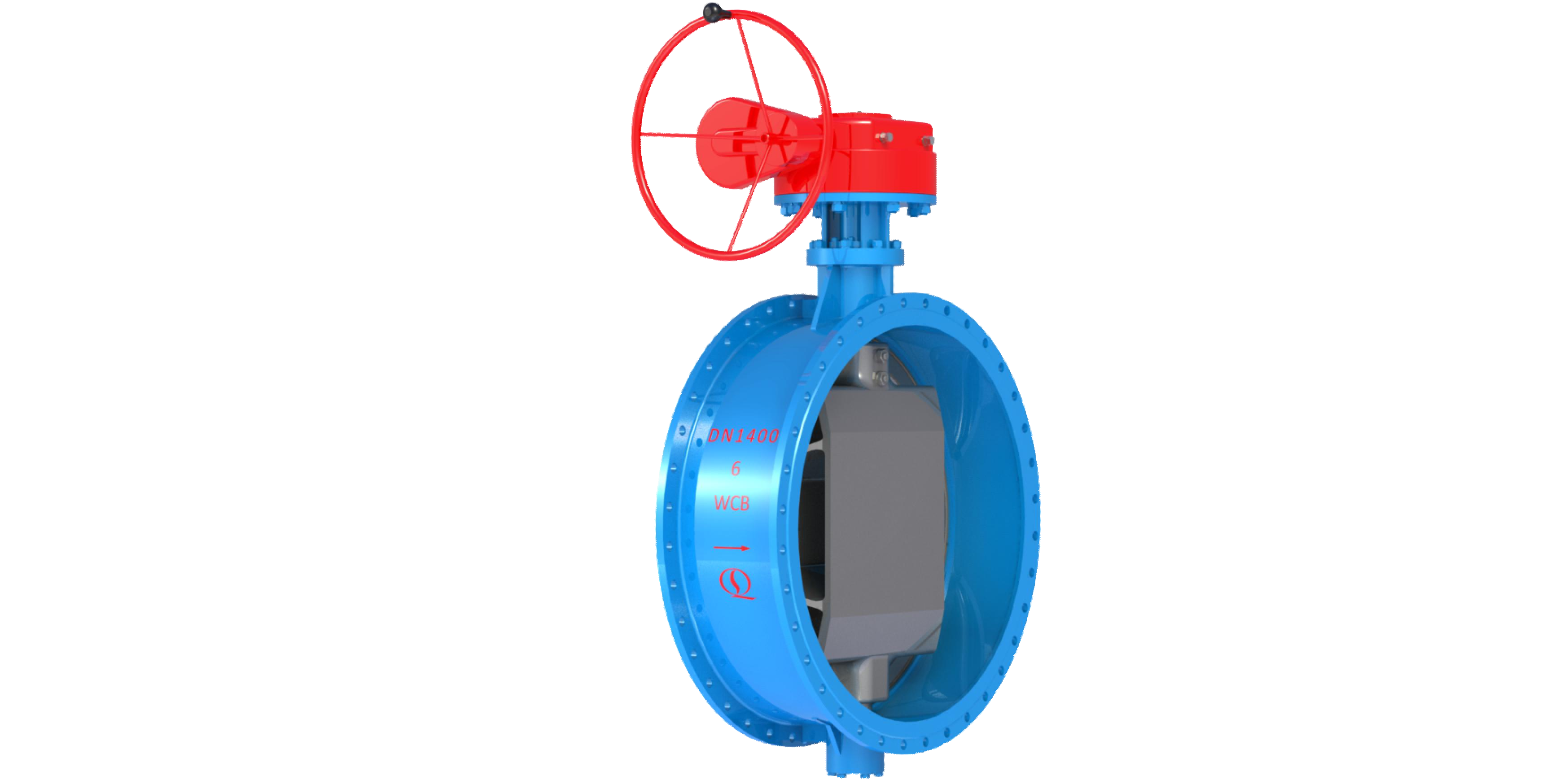
Bidirectional Metal Hard Sealed Seawater Butterfly Valve
Henan Quanshun Flow Control Science & Technology Co., Ltd.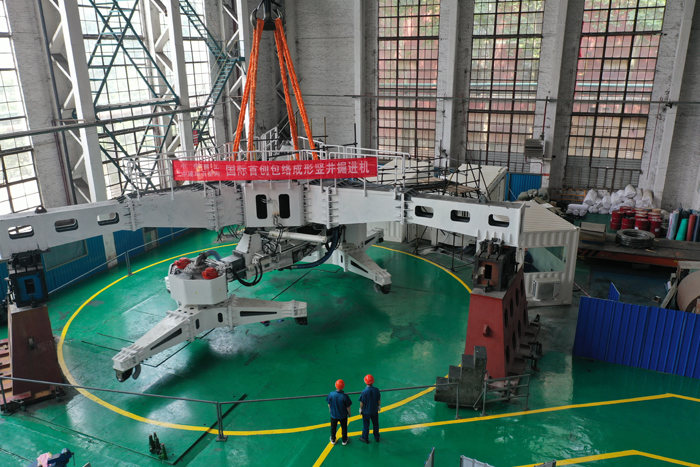
CITIC Heavy Industries Tunneling Equipment Tunnel Engineering Shield Machine
CITIC Heavy Industries Co., Ltd.
West China Xiamen Hospital of Sichuan University
Wuhan Huakang Century Clean Technology Co., Ltd.