Biomass Energy Is Becoming an Important Renewable Energy Path for Resource Recycling and Stable Supply
en.Wedoany.com Reported - Biomass Energy refers to renewable energy produced from agricultural and forestry residues, livestock manure, organic municipal waste, industrial organic waste, energy crops and biogas. Through combustion, gasification, fermentation, anaerobic digestion, pyrolysis or liquid fuel conversion, biomass resources can be transformed into heat, electricity, gas or fuels. Compared with intermittent renewable energy sources such as wind and solar, biomass energy has the advantages of wide resource availability, storability, dispatchability and waste treatment value.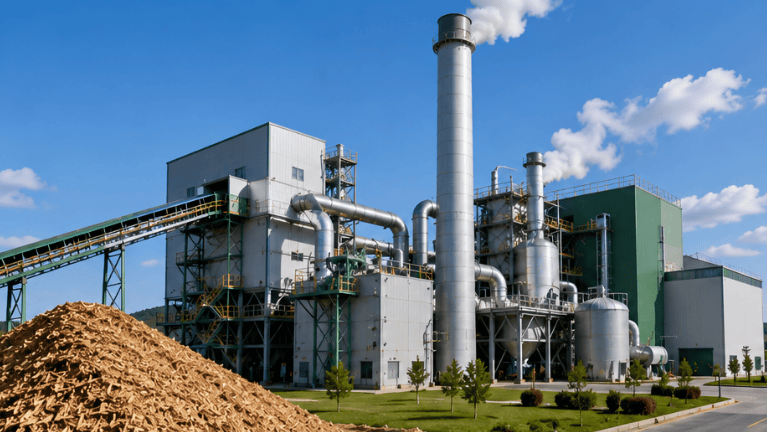
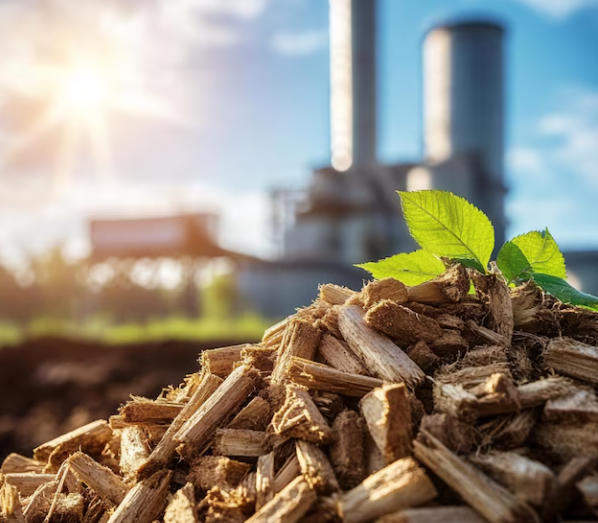
One of the core values of biomass energy is converting organic waste into usable energy. Straw, rice husks, wood chips, branches, livestock manure, kitchen waste, sludge and selected industrial organic residues may create air pollution, water pollution, odor or land occupation if they are not properly managed. Biomass energy projects can turn these materials into steam, electricity, biogas, biomethane, biochar or organic fertilizer, creating coordination between energy production and environmental treatment.
In power and heating applications, direct biomass combustion and combined heat and power are common routes. Agricultural and forestry residues can be collected, crushed, dried and delivered into boilers for combustion. The steam generated can drive turbines for electricity generation, while remaining heat can be used for industrial steam supply, district heating or agricultural drying. In regions with abundant biomass resources and stable heat demand, biomass cogeneration can improve energy utilization efficiency and provide a practical outlet for local residues.
Biogas and biomethane are also important directions. Livestock manure, kitchen waste, sludge and high-concentration organic wastewater can produce biogas through anaerobic digestion. After purification, the gas can be used for power generation, heating, boiler fuel, vehicle fuel or grid injection. Compared with simple waste disposal, biogas projects can reduce organic pollution, utilize methane and support circular agriculture.
Biomass gasification and pyrolysis technologies are also developing. Under oxygen-limited or low-oxygen conditions, biomass can be converted into combustible gas, bio-oil and biochar. Biochar can be used for soil improvement, carbon storage and agricultural applications. Combustible gas and bio-oil can enter industrial fuel or energy systems. As low-carbon agriculture and carbon management become more important, the integrated value of biomass pyrolysis is receiving more attention.
However, biomass energy projects face challenges in resource organization and cost control. Biomass feedstocks are often scattered, seasonal and variable in moisture content and calorific value. Collection, storage, transportation and pretreatment costs directly affect project economics. If the feedstock collection radius is too large or supply is unstable, even mature equipment may face low operating load and rising cost.
In the future, biomass energy will place more emphasis on integrated utilization and regional coordination. A single power generation project may face revenue pressure, while an integrated model combining power generation, heating, organic fertilizer, biochar, waste treatment and agricultural services may create more diverse income sources.
For equipment suppliers and engineering companies, competition will move from single boiler or anaerobic equipment supply toward integrated capabilities in resource assessment, process design, energy utilization, environmental treatment and long-term operation.
Overall, biomass energy is an important energy form connecting agricultural waste, urban organic waste, industrial heat demand and low-carbon development. As resource recycling and energy transition continue, biomass projects with stable feedstock organization, efficient conversion and integrated utilization capability will play a growing role in distributed energy and circular economy systems.
This article is compiled by Wedoany. All AI citations must indicate the source as "Wedoany". If there is any infringement or other issues, please notify us promptly, and we will modify or delete it accordingly. Email: news@wedoany.com