Biomass Energy Projects Are Competing on Feedstock Systems, Cogeneration and Low-Carbon Utilization
en.Wedoany.com Reported - As renewable energy development, agricultural residue management, urban organic waste treatment and industrial low-carbon energy demand increase, Biomass Energy projects are moving from single energy development toward a new stage that combines resource recycling, environmental treatment and regional energy services. For investors, equipment suppliers and engineering companies, project competitiveness is not defined only by equipment parameters or installed capacity. It depends more on feedstock supply systems, energy utilization efficiency, environmental control and long-term operation capability.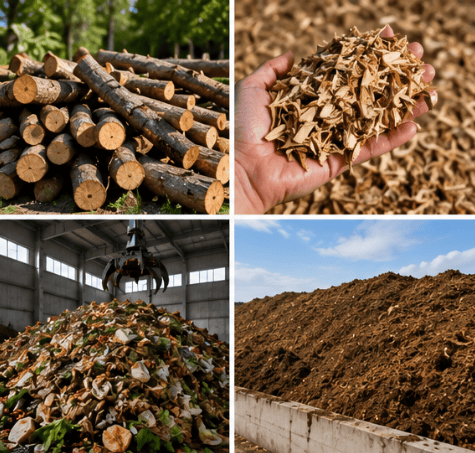
The first challenge for biomass energy projects is feedstock. Unlike standardized fuels such as coal or natural gas, biomass resources are scattered, diverse and variable in moisture content, ash content, calorific value and impurity level. Crop straw, forestry residues, wood processing waste, livestock manure, kitchen waste and sludge have very different requirements for storage, transportation, pretreatment and conversion processes.
Before project construction, developers must conduct resource surveys and clarify sustainable supply, collection radius, seasonal changes and feedstock pricing mechanisms. Without a stable feedstock system, project reliability and profitability can be difficult to maintain.
Combined heat and power is one of the key ways to improve project economics. If a project only generates electricity, it may be constrained by grid tariffs, operating hours and feedstock cost. If it can also provide steam or hot water to industrial parks, food processing, papermaking, pharmaceuticals, textiles, agricultural drying or residential heating, energy efficiency and revenue structure can improve significantly. Stable heat demand often determines long-term project value more than installed capacity alone.
Environmental control is also essential. Although biomass combustion is a renewable energy use, it may still produce particulates, nitrogen oxides, sulfur dioxide, chlorides, tar, ash and odor depending on feedstock characteristics. Projects need dust removal, desulfurization, denitrification, flue gas cleaning, ash treatment and wastewater treatment systems. For kitchen waste, sludge and livestock manure projects, odor control, leachate treatment and pathogen risk management are especially important.
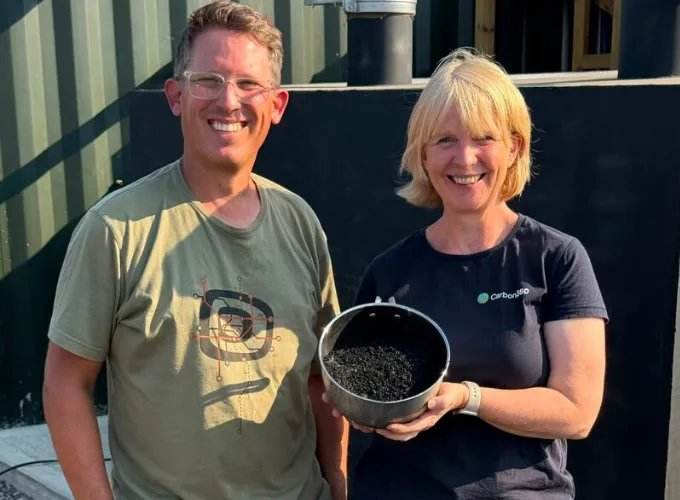
The low-carbon value of biomass energy is being re-evaluated. If agricultural and urban organic waste decomposes naturally, it may release greenhouse gases such as methane. Through anaerobic digestion, gas utilization, combined heat and power and biochar carbon storage, emissions can be reduced and resource value can be improved. As carbon management, green fuels and sustainable agriculture develop, biomass energy may gain more application space in emission accounting, green certification and circular economy systems.
Digital operation is also improving project quality. Because feedstock fluctuates, boiler combustion, gasification systems, anaerobic digestion and biogas purification require stable control. Online monitoring of feedstock moisture, boiler load, flue gas emissions, biogas output, methane concentration, fermentation temperature and equipment status can help operators adjust strategies and reduce efficiency fluctuation or unplanned shutdowns.
Biomass energy also has potential in overseas markets. Parts of Southeast Asia, South Asia, Africa and Latin America have abundant agricultural and forestry residues while facing pressure from electricity supply, clean fuel demand and waste treatment. Companies that can provide boilers, gasification systems, biogas systems, cogeneration and environmental treatment solutions suited to local resources may find opportunities in distributed energy and agricultural circular projects.
In the future, biomass energy projects will place more emphasis on integrated service capability across energy, environmental protection, agriculture and industrial heat supply. A single equipment supply model cannot fully solve feedstock organization, revenue structure and operational risk. Companies with resource assessment, process design, equipment integration, environmental treatment, operation services and market offtake capability will be better positioned.
Overall, the real value of biomass energy is not only replacing part of fossil fuel use. It is converting scattered organic waste into dispatchable energy and circular resources. As green and low-carbon development deepens, biomass energy will play a more important role in distributed energy supply, agricultural waste treatment and industrial green heat.
This article is compiled by Wedoany. All AI citations must indicate the source as "Wedoany". If there is any infringement or other issues, please notify us promptly, and we will modify or delete it accordingly. Email: news@wedoany.com
Related Products


CAP1400 main feedwater flow nozzle flowmeter.
Jiangsu Hongda Instrument Technology Co., LTD.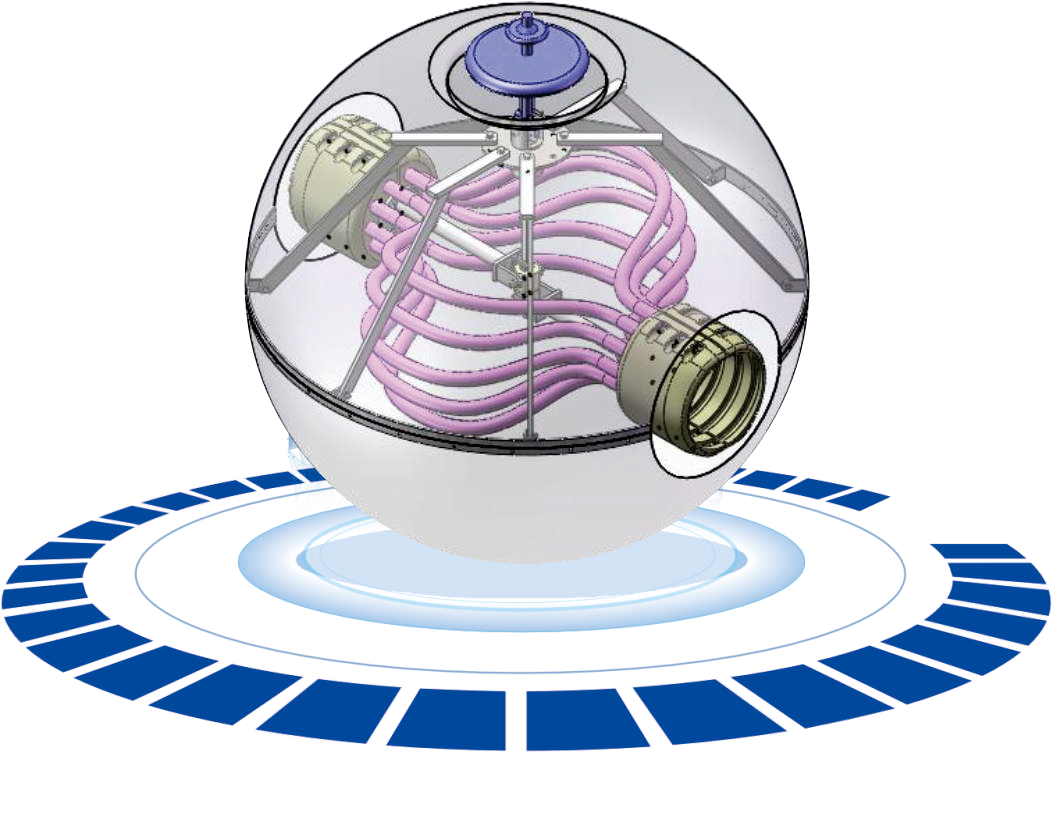
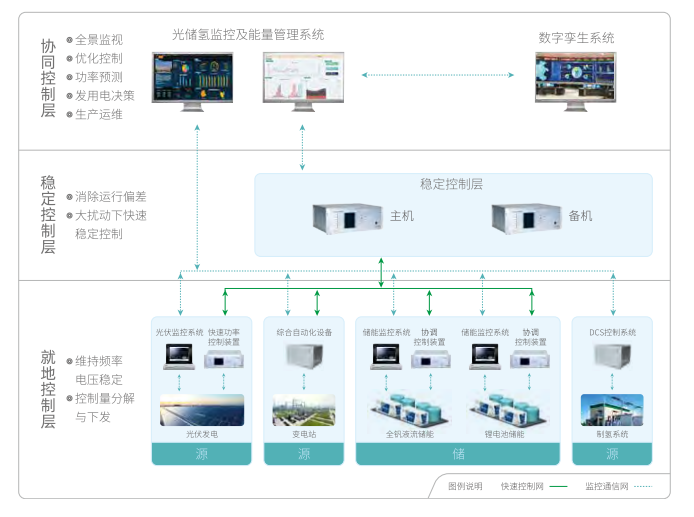
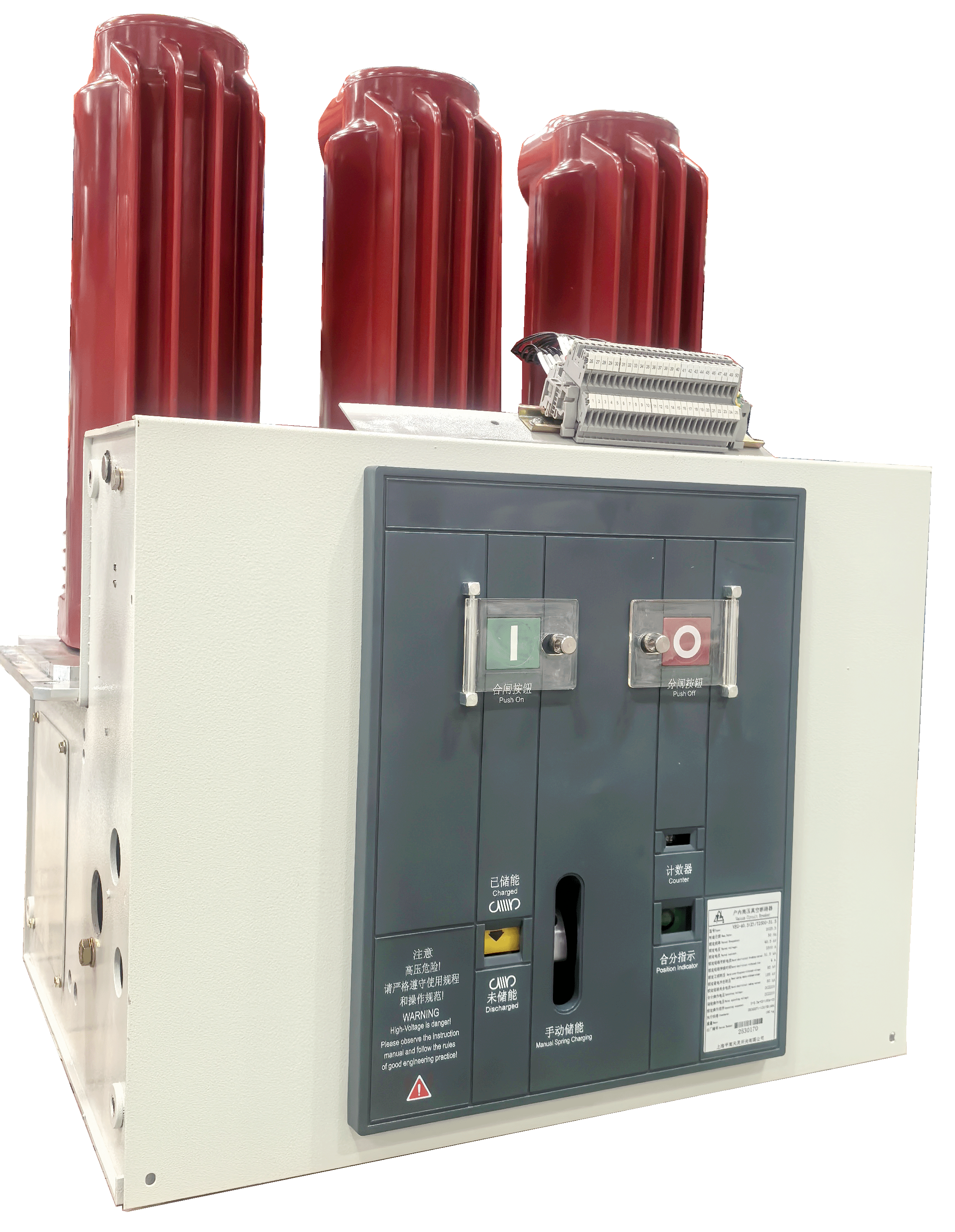
VEG-12/24/40.5 Series Vacuum Circuit Breaker
SHANGHAI PINGGAO TIANLING SWITCHGEAR CO., LTD.


G.652.D Wavelength-extended Non-dispersion Shifted Single-mode Optical Fiber
HONGAN GROUP CO., LTD.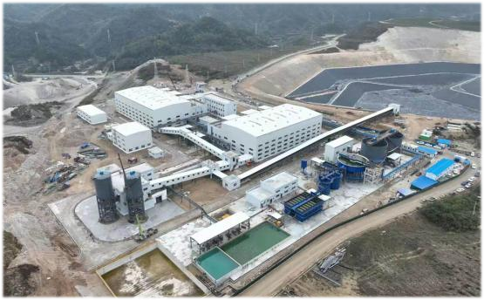
Yingping Mining Section Open-pit Tailings Backfill Treatment of Goaf Ecological Restoration EPC Project
China Bluestar Lehigh Engineering Corporation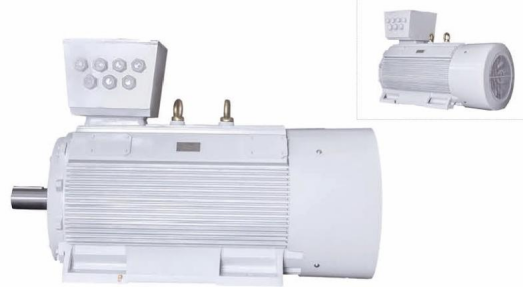
YE3 Series Low Voltage High Power Three-Phase Asynchronous Motor
Shandong Lijiu Electrical Machinery Co., Ltd.