New DOST-USTP Laboratory Can Reduce Cooling Energy Consumption in Residential and Commercial Buildings by 68%
en.Wedoany.com Reported - The Department of Science and Technology (DOST) and the University of Science and Technology of Southern Philippines (USTP) have established a new Built Environment Laboratory (BEL) in Cagayan de Oro City, focusing on reducing electricity consumption in residential and commercial buildings.
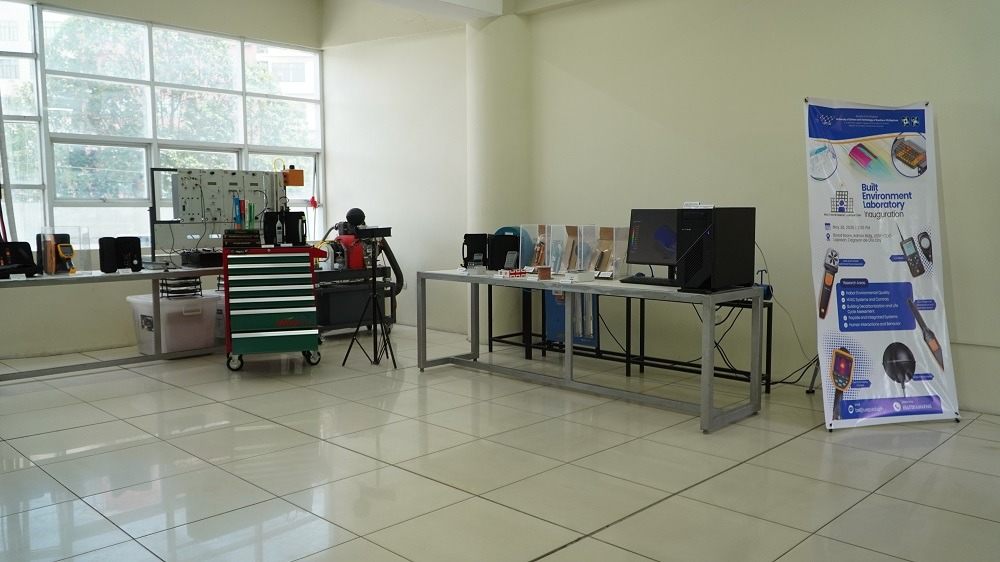
Inaugurated on May 28, the laboratory was funded by DOST's Philippine Council for Industry, Energy, and Emerging Technology Research and Development (PCIEERD) under its Institutional Development Program.
The laboratory is equipped with tools and software to support research on heating, ventilation, and air conditioning (HVAC) systems, indoor comfort, productivity, and building energy efficiency.
According to USTP professor and project leader Richard Jayson Varela, the laboratory will support research aimed at improving building energy efficiency and indoor comfort, with the goal of modernizing existing infrastructure in Cagayan de Oro City.
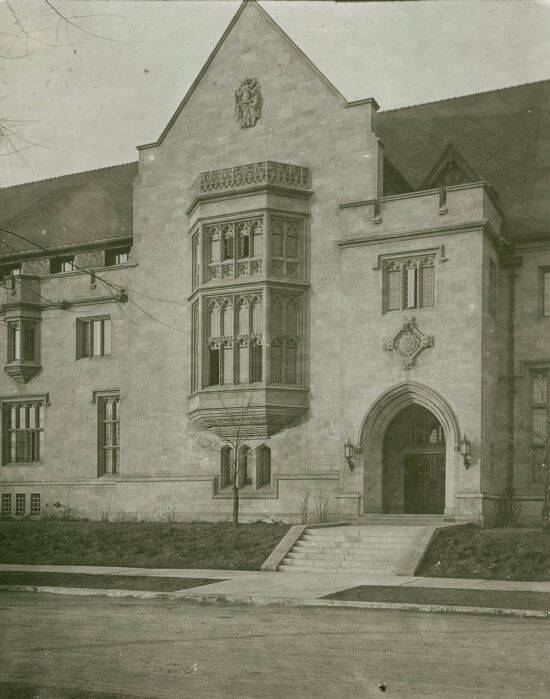
One project conducted by researchers involves the university's Ricardo E. Rotoras Memorial Auditorium, using Computational Fluid Dynamics and Building Energy Modeling tools to analyze airflow and thermal comfort issues. The study shows that redesigning the building with passive ventilation strategies can reduce cooling energy demand by up to 68%.
PCIEERD Deputy Executive Director and Officer-in-Charge Niñaliza H. Escorial stated that the laboratory was established to ensure energy-saving technologies are tested before large-scale application. She said that before promoting energy-efficient solutions, time is taken to carefully test and validate them to ensure effectiveness in real-world environments, which is precisely why the BEL was built.
The laboratory's research activities also include developing smart blinds that combine mechanical design, sensor automation, and adaptive shading systems to regulate indoor temperature and reduce reliance on high-energy cooling equipment.
DOST Undersecretary for Research and Development Leah J. Buendia noted that this research addresses real challenges faced by building occupants. She said that researchers focus on how heat, airflow, and comfort affect people using spaces daily, making solutions more relevant to actual needs.
Data from the Philippine Department of Energy shows that commercial and residential buildings accounted for 54% of the country's total energy consumption in 2024. The department warned that rising temperatures and increasing electricity demand are straining the power grid, potentially leading to power supply shortages.
DOST Secretary Renato U. Solidum Jr. stated that the laboratory helps address rising energy costs and growing electricity demand. He noted that the Philippines' power supply system is under pressure due to population growth, rapid urbanization, and increased cooling demand during hot seasons. With the BEL, capabilities can be strengthened to provide solutions for universities, communities, and industries facing rising energy costs.
This article is compiled by Wedoany. All AI citations must indicate the source as "Wedoany". If there is any infringement or other issues, please notify us promptly, and we will modify or delete it accordingly. Email: news@wedoany.com
Related Products
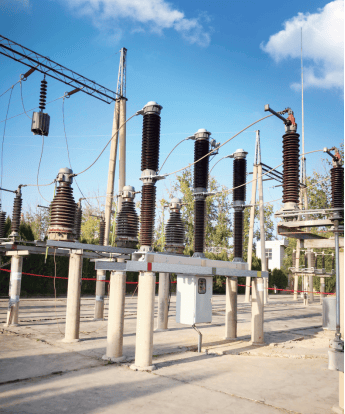

145kV Porcelain Column Type Sulfur Hexafluoride Circuit Breaker
TBEA ZONFA Shanghai High Voltage Switchgear Co., Ltd.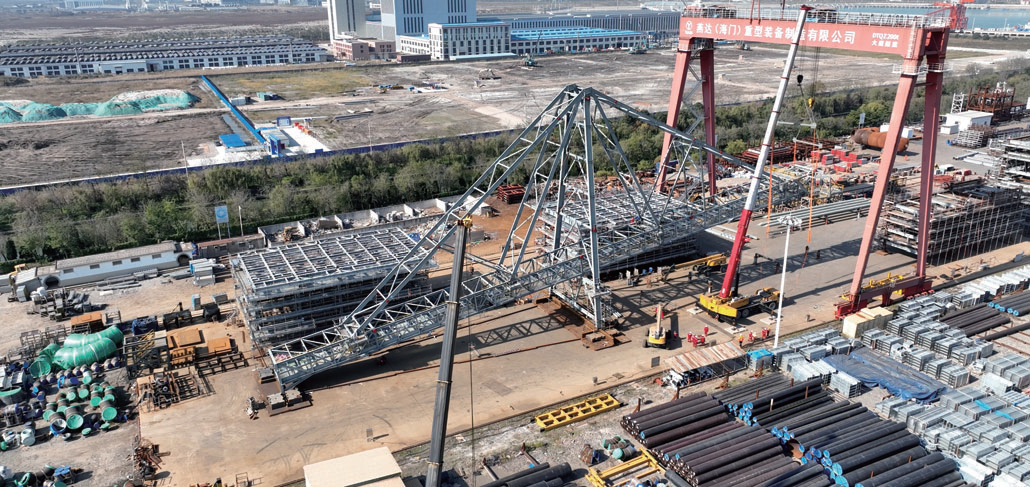
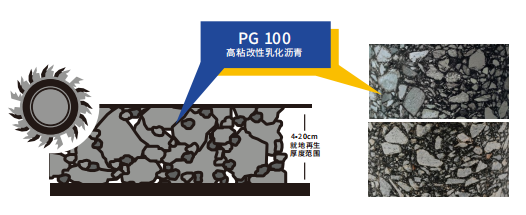
High-toughness in-Situ Cold Recycling Technology for Original Structural Layers
Central Fortune Creation Technology Group Co., Ltd.

Industrial and Commercial Point-Type Gas Detector
Jinan Benan Technology Development Co., Ltd.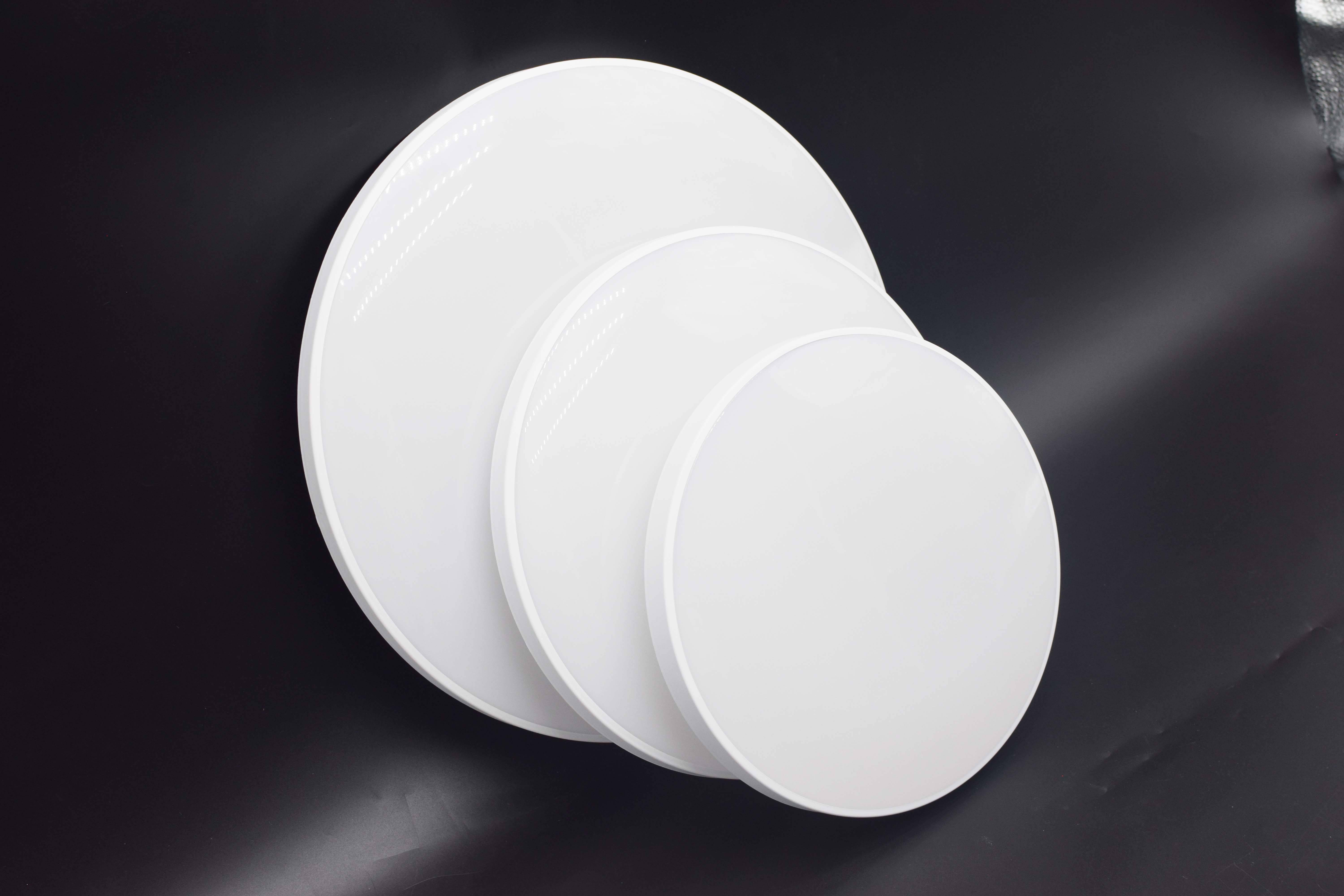
Ceiling light | led Ceiling Light | LED Indoor light | LED Ceiling lighting
Queendom Group Technology Co., Ltd.

Acoustic Mineral Fiber Ceiling Tile 595x595x12mm
Shanxi Pano Trading Co., Ltd