Saint Paul Regional Water Services Invests $2.8 Million in Retention Ponds, Completion Expected in 2029
en.Wedoany.com Reported - Saint Paul Regional Water Services plans to construct three retention ponds in Vadnais Heights to reduce phosphorus and suspended solids flowing into East Vadnais Lake, thereby controlling algal blooms and protecting the drinking water source for 400,000 residents.
Managing algal blooms in the East Vadnais Lake watershed has been a long-standing effort for Saint Paul Regional Water Services. Aeration and oxygenation systems have been deployed to combat pollution, and granular activated carbon filtration has become one of the technologies adopted by the utility. Later this decade, three new retention ponds will join the treatment system as part of a Vadnais Heights-led project to reduce flooding and enhance resilience. Upon completion, these ponds will regulate runoff and pollutants, preventing them from entering East Vadnais Lake, which serves as a drinking water source.
According to the City of Saint Paul, these ponds will remove 39 pounds of phosphorus annually, preventing the growth of up to 19,500 pounds of algae in the reservoir. Engineers say the system will intercept approximately 11,000 pounds of total suspended solids, including phosphorus that triggers algal blooms, preventing them from flowing into the reservoir.
Water quality and flood control are one aspect of the retention ponds. Justine Roe, Water Quality Manager at Saint Paul Regional Water Services, stated that the utility is implementing control measures to minimize the large amounts of suspended solids that stormwater may carry. Mitigating the impact of stormwater so it does not directly discharge into the lake is a major benefit; the better the water quality entering the treatment plant, the better the water quality leaving it.
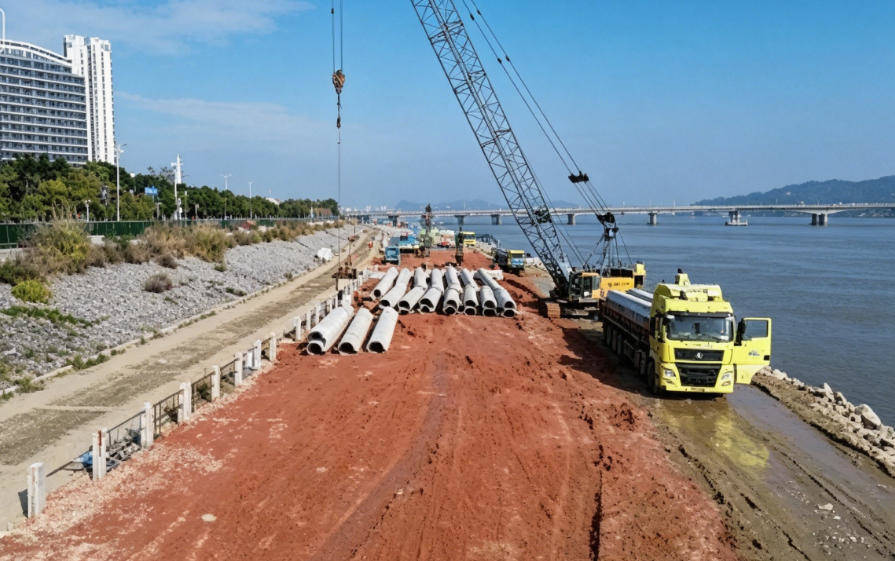
City engineers will excavate these ponds behind Vadnais Heights City Hall and add boardwalks, gathering spaces, and observation platforms. This $2.8 million project is funded by state lottery proceeds allocated through Minnesota's Environmental and Natural Resources Trust Fund. A multi-agency collaboration involving the water utility, Vadnais Heights, Ramsey County, and the Vadnais Lake Area Water Management Organization (VLAWMO) is scheduled to begin construction in late 2027 or early 2028, with a target to complete all construction and infrastructure work by mid-2029.
Phil Belfiori, Executive Director of VLAWMO, stated that retention ponds are a common stormwater management strategy in Minnesota. These artificial ponds hold water for extended periods, allowing pollutants to settle to the bottom before being discharged downstream. Excess nutrients and other toxins can be filtered through aquatic vegetation or vegetated buffer zones around the ponds. Water also exits through outlet control structures at a more regulated rate, reducing downstream flooding. The project will ultimately be successful if these ponds can capture enough rainfall to lower existing and future flood risks and improve water quality.
Jim Hauth, Public Works Director for Vadnais Heights, emphasized that protecting wetlands around the lake remains a core priority in the ongoing planning process. The size and type of wetlands must be assessed before proceeding. Hauth noted that the wetlands were smaller than anticipated, allowing the site to accommodate a larger project and making improvements easier.
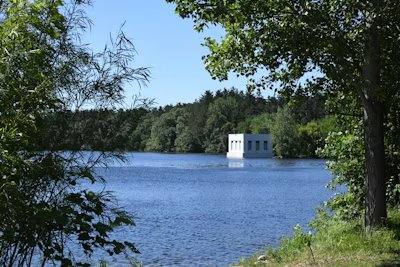
A 2024 study by Saint Paul Regional Water Services identified a 21-acre site half a mile east of Vadnais Lake as posing a significant flood risk. Planners view the pond project as both a flood prevention tool and a dedicated site for water quality treatment and retention. Multi-agency coordination is also crucial for funding, as flood and water quality impacts are not confined to a single city or watershed; these issues have implications across the entire state.
Since the 1980s, the water utility and VLAWMO have worked to stabilize lake shores and beds to reduce nutrient runoff that fuels algae growth. The utility has also installed aerators and oxygenators to neutralize nutrients needed for algae proliferation. Additionally, a granular activated carbon system is used to reduce dissolved toxins. The addition of retention ponds will further purify the lake, which already has low pollutant levels due to restrictions on recreational boating and fishing. Water quality in the area has improved compared to the past, and the utility will launch a Water Wagon during hot summers, potentially offering educational opportunities for residents curious about the new infrastructure project in the area.
Upon completion, the site will feature a trail system and interpretive signs showcasing the role of local ecosystems in flood control. Combating toxic algal blooms is key to ensuring the continued existence of this healthy environment. This is not just about stormwater improvements. Municipal official Hauth expressed anticipation for opening this space to residents, viewing it as a place for people to relax, gather, and enjoy nature.
This article is compiled by Wedoany. All AI citations must indicate the source as "Wedoany". If there is any infringement or other issues, please notify us promptly, and we will modify or delete it accordingly. Email: news@wedoany.com
Related Products

West China Xiamen Hospital of Sichuan University
Wuhan Huakang Century Clean Technology Co., Ltd.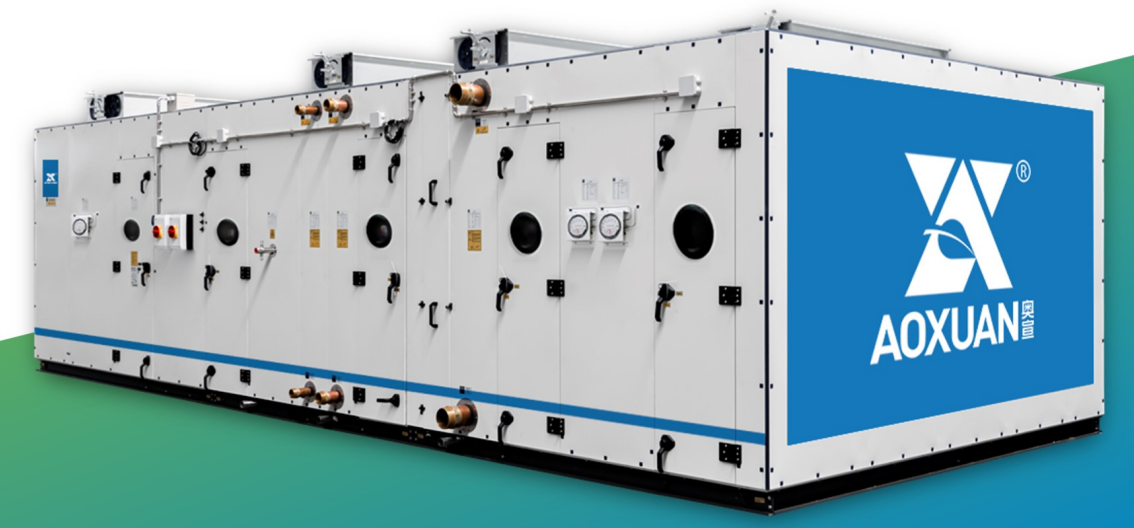
Aoxuan Intelligent Precision Air Conditioning Unit
SHANGHAI AOXUAN PURIFICATION TECHNOLOGY CO., LTD.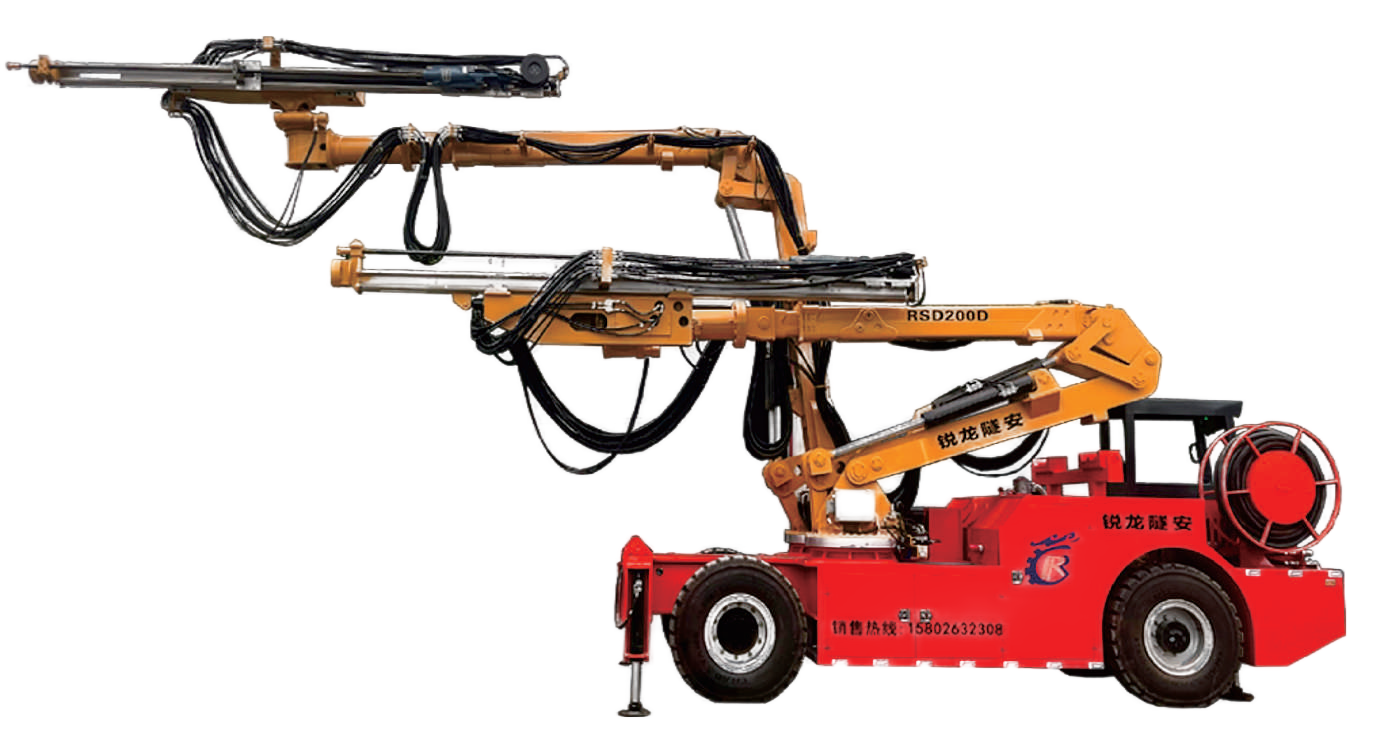
Dual-curved Arm Rock Drilling Trolley RSD200D
Chengdu Ruilong Machinery Manufacturing Co., Ltd.

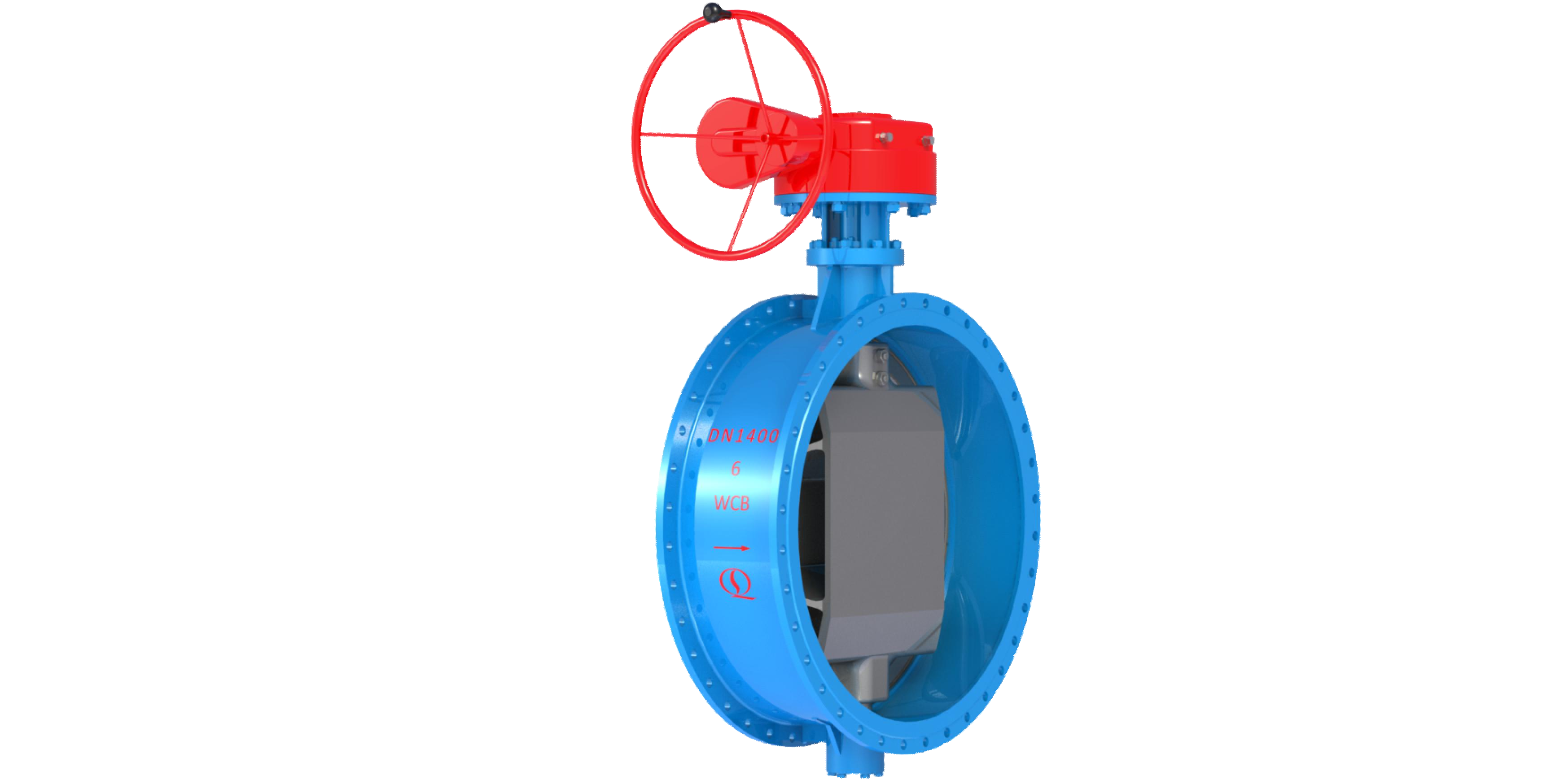
Bidirectional Metal Hard Sealed Seawater Butterfly Valve
Henan Quanshun Flow Control Science & Technology Co., Ltd.