BV: Regulatory Barriers Impede Widespread Uptake Of Wind Propulsion
Wedoany.com Report-Oct 26, Despite the promising progress of wind propulsion in shipping, its uptake remains hindered by regulatory barriers, technical challenges, and a lack of confidence among industry stakeholders, classification society Bureau Veritas (BV) said in a recent report.
This will need to change if shipping is to meet the International Maritime Organization’s (IMO) ambitious targets of net-zero emissions by 2050.
BV’s Wind Propulsion Technology Report details the technology systems that are available, their viability, as well as the various challenges that inhibit the adoption of wind propulsion systems at scale. The report underscores the significant growth potential within the sector and the important role that wind propulsion technologies will play in the shipping industry’s decarbonization transition.
With safety measures representing a clear concern for widespread adoption of the technology, BV has developed rules for wind propulsion and notations. Also, joint industry projects such as WISP3 are working to develop standardization of performance predictions to provide assurance to shipowners and operators that wind propulsion systems won’t impact vessel’s performance.
As owners and operators seek alternatives to reduce their carbon emissions and comply with current regulations, the report emphasizes the need for international regulatory bodies to recognize and support wind propulsion as a credible means of reducing carbon emissions.
However, the IMO has yet to define specific regulations or guidelines on the use of wind propulsion systems on ships. Installation and operation of wind propulsion systems remains subject to the same rules and regulations as engine-based propulsions systems, which means that there is a lack of clarity surrounding wind propulsion technologies contribution to reducing carbon emissions on ships.
This inconsistency represents a significant barrier to integrating wind propulsion technology at scale, as owners and operators are not provided with the clarity or assurance that investment in such systems will contribute to their compliance efforts.
“Current international regulations do not cater for propulsion systems that don’t burn fuels. The inclusion of wind propulsion in FuelEU Maritime is an important step in recognising wind propulsion technologies as a form of propulsion. However, without international regulation, there is little incentive for industry actors to invest in wind propulsion technology. Collaboration between industry players and regulatory bodies is crucial for the advancement of this technology,” Aude Leblanc, Technology Leader Sustainable Shipping, Bureau Veritas Marine & Offshore, commented.
Related Products
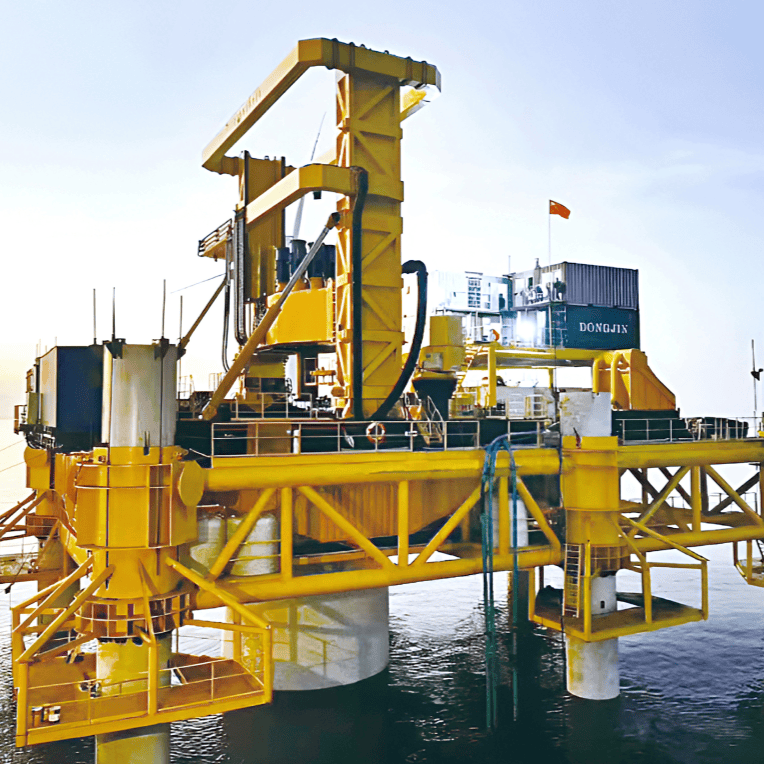

Pressurized Drilling Vertical Boring Machine
CCCC Tianhe Mechanical Equipment Manufacturing Co., Ltd.
Wind Turbine Generator
Dongfang Electric Corporation Dongfang Electric Machinery Co., Ltd.
Wind Power Tower Mold
Qinhuangdao Tianye Tolian Heavy Industry & Technology Co., Ltd.

"Shunyi 1600" Deep-submerging Bottom-sitting Multi-functional Wind Power Engineering Vessel
Zhengli Offshore Engineering Co., Ltd.