South Korea Provides $12 Million Grant to Nepal for Climate-Resilient Rice Project
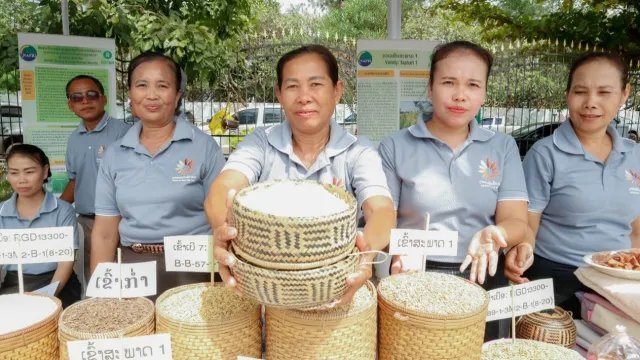
en.Wedoany.com Reported - The Korea International Cooperation Agency (KOICA) will provide a $12 million grant (approximately 1.81 billion Nepalese rupees) to Nepal for a six-year climate-resilient rice development project in the Terai region. As one of the largest international cooperation projects in Nepal's agricultural sector, it aims to boost grain production, enhance climate resilience, and improve farmers' livelihoods.
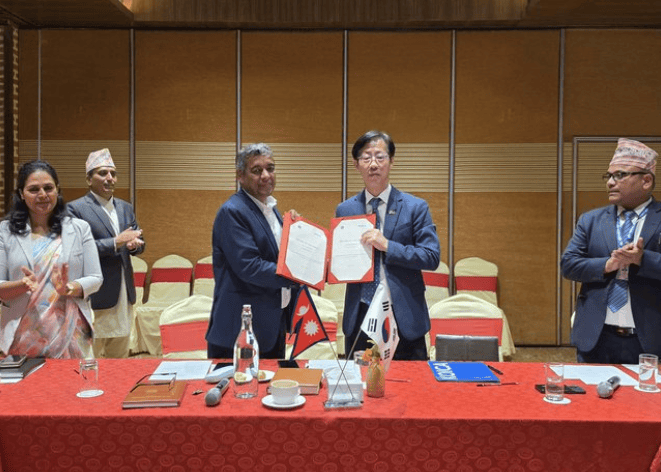
The project covers six districts in Nepal's Terai plains, including Banke, Bardiya, Dang, and Kapilvastu in Lumbini Province, and Kailali and Kanchanpur in Sudurpashchim Province. Scheduled for implementation from 2026 to 2031, its core objective is to improve rice production and food security.
The project will promote climate-adaptive modern agricultural technologies to increase rice yield per unit area; strengthen seed production and supply systems by promoting high-quality varieties resistant to drought, flooding, and pests; improve post-harvest storage, processing, and management to reduce losses; and help farmers and agricultural enterprises access markets to enhance economic returns.
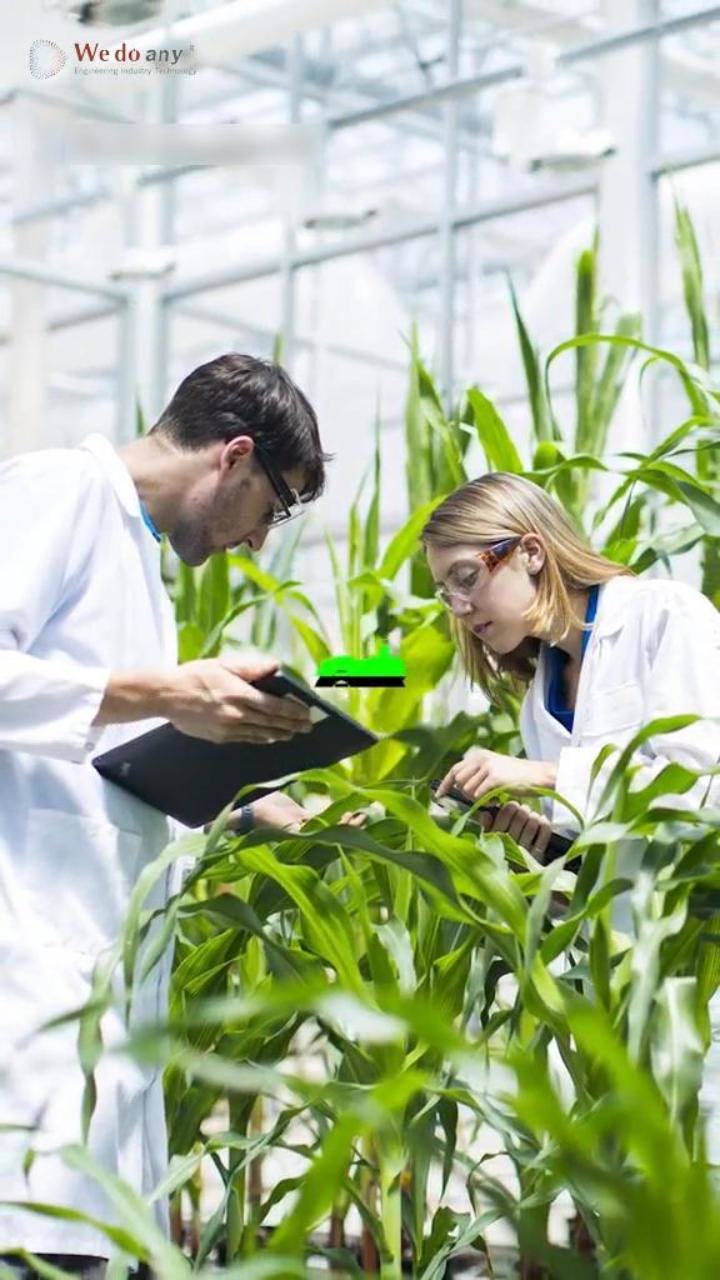
KOICA will collaborate with Nepal's federal government and the provincial governments of Lumbini and Sudurpashchim to advance the project. The Nepal Agricultural Research Council and the International Rice Research Institute will provide technical support and expertise. The project agreement was signed in Kathmandu on June 18, with KOICA Nepal Country Director Kong Moo-hyun and Joint Secretary Hari Bahadur K.C. of Nepal's Ministry of Agriculture, Forestry and Environment signing the document. Officials including Secretary Rajendra Mishra of the Ministry of Agriculture, Forestry and Environment, Lumbini Province Secretary Januka Pandit, and Sudurpashchim Province Secretary Shankar Shah attended the signing ceremony.
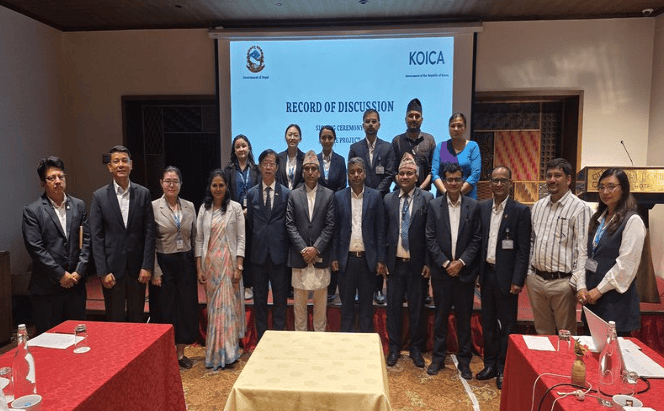
At the signing ceremony, Secretary Rajendra Mishra of Nepal's Ministry of Agriculture, Forestry and Environment stated that the project will not only boost rice production but also improve the industrial chain, increase farmers' income, enhance food security, and promote green, resilient, and inclusive development in the relevant regions. KOICA Nepal Country Director Kong Moo-hyun noted that the project reflects the long-term cooperation between South Korea and Nepal in agriculture, and both sides will work together through technical exchanges, experience sharing, and practical collaboration to improve agricultural productivity, strengthen rural climate resilience, enhance farmers' livelihoods, and promote sustainable agricultural development. Joint Secretary Hari Bahadur K.C. expressed gratitude to the South Korean government, stating that South Korea has accumulated rich experience in modern agricultural technology, agricultural research, and rural development, and Nepal hopes to learn from these practices through cooperation to inject new momentum into its agricultural modernization and food security efforts.
For the Terai region, where agriculture is the primary economic source and climate change is causing frequent extreme weather events, the project will help local farmers improve their risk resilience, stabilize grain production, and support Nepal's goals of agricultural modernization and food security.
This article is compiled by Wedoany. All AI citations must indicate the source as "Wedoany". If there is any infringement or other issues, please notify us promptly, and we will modify or delete it accordingly. Email: news@wedoany.com
Related Products



Industrial and Commercial Point-Type Gas Detector
Jinan Benan Technology Development Co., Ltd.
4HS-8 High-efficiency Peanut Inverted-laying Harvester
Hebei Yongfa Hongtian Agricultural Machinery Manufacturing Co., Ltd.
714CD Series C-Band Weather Radar
Chengdu Zhongdian Jinjiang Information Industry Co., Ltd.