en.Wedoany.com Reported - The Southern Hemisphere winter officially begins on June 21 and is expected to bring multiple impacts to Brazil's electricity sector, including changes in rainfall patterns, fluctuations in renewable energy generation, and adjustments in electricity market prices. This winter marks a transition to the El Niño phenomenon, whose most significant effects are expected to manifest in spring and summer, but weather conditions over the coming months already require vigilance from generators, traders, consumers, and system operators.
According to forecasts from Tempo OK, a company specializing in meteorological consulting for the energy sector, the gradual progression of El Niño will increase rainfall in southern Brazil starting in September, while inland areas of the north and northeast may face drier periods, with heightened risks of drought and wildfires. Although temperatures are expected to be above average, polar air masses may still occur during winter, leading to significant temperature drops between June and July, as well as frost and even snowfall in high-altitude regions of Santa Catarina and Rio Grande do Sul. Maria Clara Sassaki, a spokesperson for Tempo OK, stated that the gradual intensification of El Niño in the coming months will exacerbate climate contrasts across Brazil's regions, requiring vigilance from strategic sectors such as energy, agriculture, and risk management.
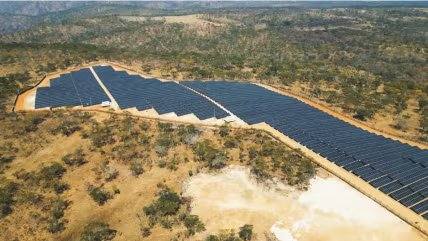
The impact on solar and wind power generation is also noteworthy. Yanael Medeiros, an engineer at CS Consultoria, pointed out that drier periods with less cloud cover may favor solar power generation in some areas, but reduced rainfall increases the accumulation of dust and particles on photovoltaic modules, making cleaning and maintenance activities more critical for maintaining plant performance. Additionally, hotter periods may reduce module efficiency and increase thermal stress on equipment such as inverters and transformers. For wind power generation, the effects of El Niño could lead to variations in energy production across different regions, necessitating enhanced weather forecasting and operational planning.
In the electricity market, winter traditionally sees lower consumption compared to hotter months, and reduced demand, combined with favorable hydrological conditions and higher renewable energy generation, should help keep electricity prices low. According to forecasts from Thymos Energia, the Price Settlement Difference (PLD), used to settle short-term market imbalances, should remain below 200 BRL/MWh throughout the winter. The Electric Power Commercialization Chamber (CCEE) estimates prices between June and August will be below 205 BRL/MWh. This marks a change from the period since March 2025, when prices averaged above 200 BRL/MWh—in February of this year, the PLD reached the regulatory ceiling of 382 BRL/MWh.
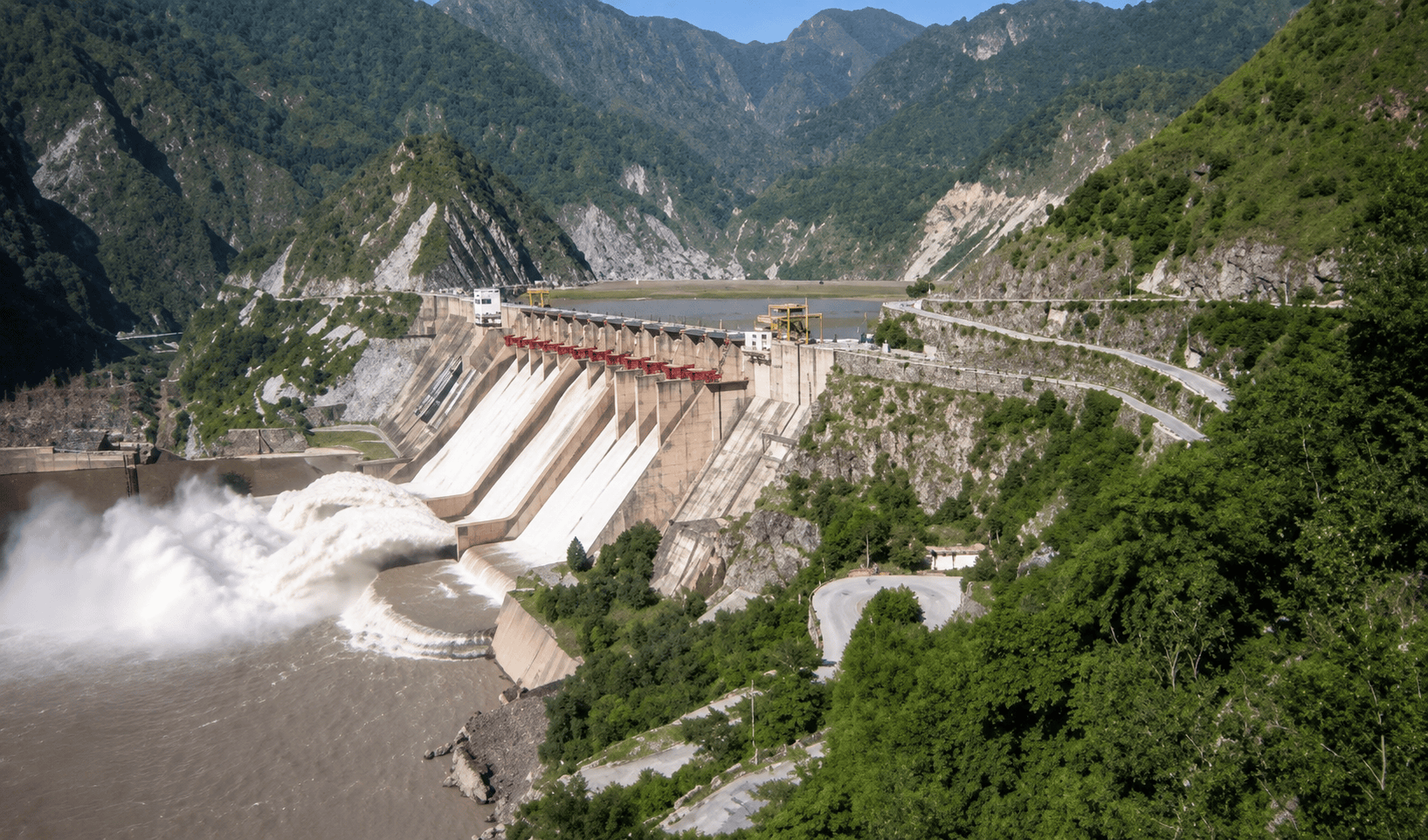
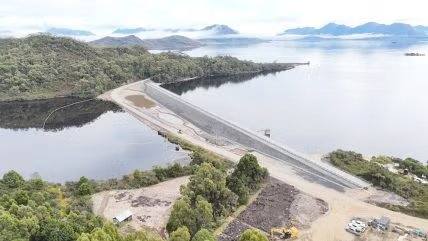
Rainfall conditions also help maintain lower price levels. According to Nottus forecasts, the Southeast/Midwest submarket, which concentrates approximately 70% of the country's hydroelectric plant reservoir storage capacity, should receive above-average rainfall; precipitation in the southern region will also intensify in the coming months, aiding reservoir recovery. Meanwhile, in Minas Gerais, Goiás, and inland areas of the northeast, the typical dry period of winter will gradually consolidate. These meteorological changes form an important basis for assessing the impact of the El Niño phenomenon on Brazil's energy generation and electricity market behavior.
This article is compiled by Wedoany. All AI citations must indicate the source as "Wedoany". If there is any infringement or other issues, please notify us promptly, and we will modify or delete it accordingly. Email: news@wedoany.com