Canada's Selkirk Copper Mines Leverages Concentrate Offtake Agreement as Non-Dilutive Restart Financing Tool
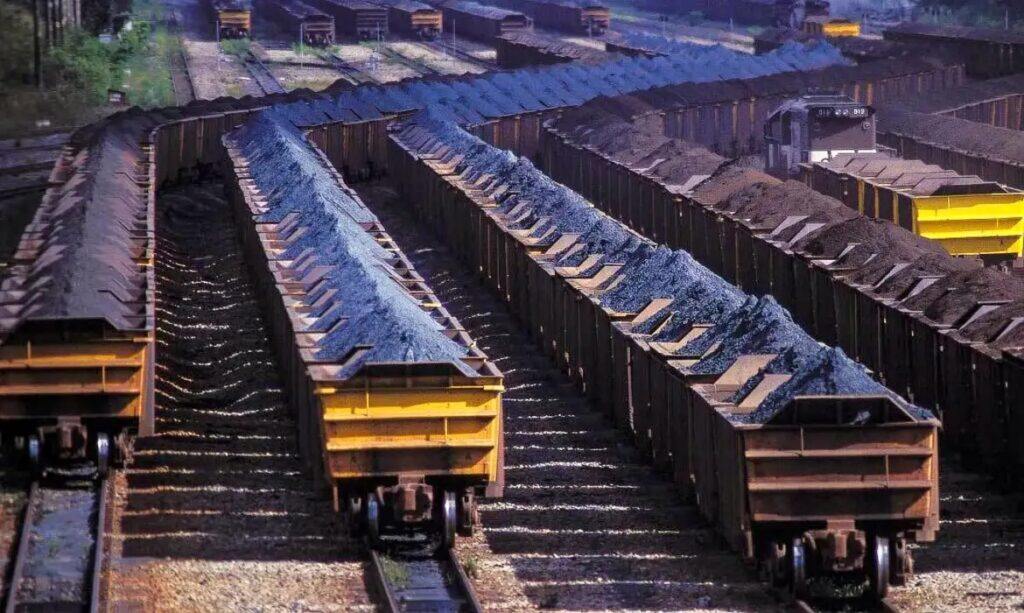
en.Wedoany.com Reported - Canada's Selkirk Copper Mines (TSXV: SCMI) holds a high-grade copper concentrate asset that cleared all prior financial claims through a 2023 bankruptcy process, and management plans to use the concentrate's offtake agreement as the primary lever for non-dilutive restart financing. The Minto deposit historically produced copper-gold-silver concentrate with grades of 36% to 40% copper, 12 to 18 g/t gold, and 100 to 150 g/t silver, with deleterious element levels consistently remaining low throughout the mine life. The 39% to 40% copper grade places this product among the top 5% of concentrates sold globally, compared to the current global average concentrate grade of 26% to 28% copper. Traders and smelters already familiar with Minto product can smoothly reintroduce it into the supply chain once production resumes.
The bankruptcy process eliminated two prior burdens attached to this concentrate. Sumitomo's previously held offtake agreement has been fully cleared, removing any counterparty claims on the physical product. Wheaton Precious Metals' previously held gold and silver stream, which had paid over $250 million over the mine life, has also been cleared, altering the realized value per tonne of ore and improving net cash flow relative to the prior operating structure. The only surviving burden is the 1.5% Net Smelter Return payable to the Selkirk First Nation.
Selkirk Copper Mines President and CEO Colin Joudrie stated that the asset's historical concentrate grade of 39% to 40% throughout the mine life likely places it in the top 5% of global concentrates. He believes a concentrate already recognized by the smelter market, free of offtake claims and with no streaming obligations except a small royalty, is an asset Selkirk can leverage rather than negotiate under duress.
Since December 2025, management has been conducting financing discussions across five counterparty categories: direct smelters, trading companies, traditional project financiers, private equity groups, and Canadian operating Indigenous and critical minerals funds. The company remains in a data-gathering phase, collecting all available structures before committing to any single approach. Direct smelter interest in offtake stems from the product's established characteristics: a concentrate grading 36% to 40% copper with low deleterious element levels, well-known to buyers who have previously processed it. Joudrie noted that the concentrate offtake agreement can be leveraged as a non-dilutive financing source for the future restart, and the product's high grade, low deleterious elements, and market recognition only put the company in a favorable position. The breadth of counterparties under discussion gives Selkirk negotiating room before finalizing a structure, and the ultimately chosen structure will determine the upper limit of restart funding achievable without issuing new shares.
As of December 2025, Selkirk held cash of CAD 28,029,238, following an initial CAD 4.5 million preliminary financing and a CAD 40 million initial offering earlier in the year. In April 2026, the company completed an additional CAD 35 million equity financing, and management stated this position is sufficient to cover most work required until the planned mid-2027 Feasibility Study (FS) and Final Investment Decision (FID). The offtake-based financing initiative began in December 2025, with the stated goal of securing full financing before the FID milestone, ahead of the concentrator plant startup in Q1 2028. Management has identified minimizing further equity issuance as the preferred outcome for restart financing, specifically aiming to protect existing shareholders, including the Selkirk First Nation, from unnecessary dilution. Joudrie stated that ideally, the amount of equity issued would be minimized, with the goal of preserving shareholder integrity as much as possible, particularly for the First Nation, though this will benefit all shareholders.
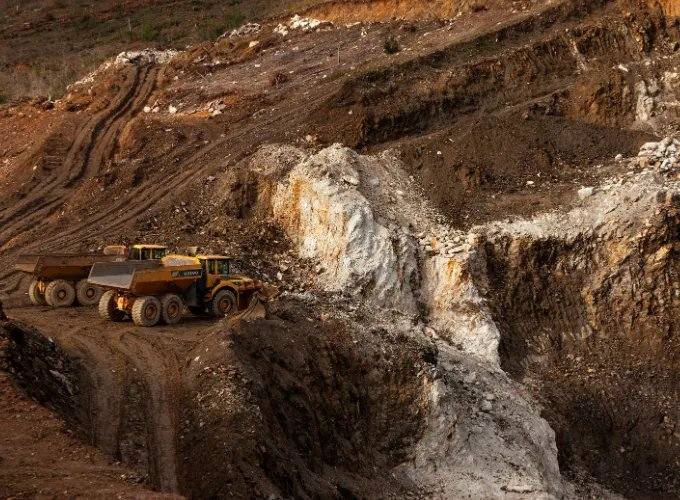
The site already has over $330 million in surface infrastructure, including a processing plant, auxiliary support buildings, roads, and underground workings, making the restart cost a fraction of a new greenfield project. Management estimates a comparable greenfield project today would cost $800 to $900 million, while the restart target is approximately 25% of that figure by leveraging inherited infrastructure. The existing concentrator has a rated capacity of 4,100 tonnes per day or 1.5 million tonnes per year, which is the processing basis for the Preliminary Economic Assessment (PEA) restart target, aiming for a 12- to 15-year mine life producing approximately 30,000 tonnes of copper equivalent annually. Incremental capital targets five specific items: a new permanent three-stage crushing circuit, updated tailings filtration equipment, Ridgetop open pit pre-stripping, new underground workings at Minto North West, and water and tailings management facilities. Base operating costs are: CAD 4.10 per tonne for open pit mining, CAD 45.42 per tonne for underground mining, CAD 30.00 per tonne for processing, and CAD 20.81 per tonne for general and administrative expenses. Trade-off studies and PEA engineering are being conducted by Hatch Ltd. and SRK Consulting, supported by data from the completed Phase 1 drill program. Concurrently, a 50,000-meter Phase 2 drill program is actively focused on geotechnical, geometallurgical, and infill data collection to inform the subsequent feasibility study.
The Minto restart decision depends on regulatory approvals, with a timeline independent of the financing structure. The company must secure amendments and modifications to existing quartz mining, exploration, and water licenses before FID. Beyond license amendments, Selkirk must complete the transition of site care and maintenance responsibilities from the Yukon Government, which currently manages groundwater stored on site during the care and maintenance period following the previous operator's bankruptcy. This transitional water management component is a pending item in the workflow, with its scope and associated costs not yet fully determined, introducing a variable alongside, rather than within, the disclosed brownfield capital estimate. Once this variable is defined, its resolution will be the most likely item to alter financing requirements.
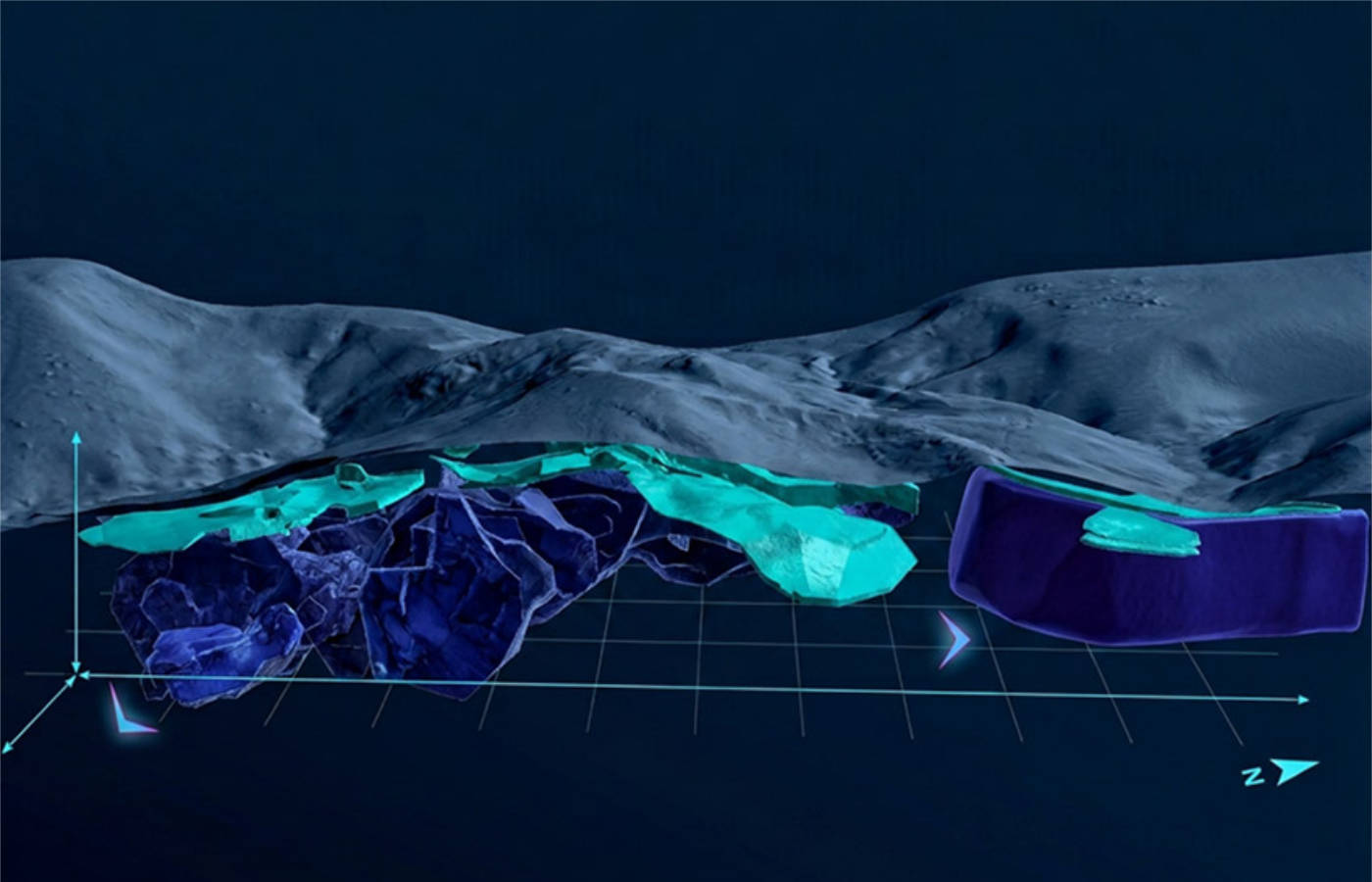
On Selkirk's path to first production, each date also marks a moment when parts of the financing decision must be finalized. The PEA and updated mineral resource estimate are targeted for completion by mid-2026, setting a technical basis for any offtake-based financing structure. Both the FS and FID are scheduled for mid-2027, by which time management states financing should be fully in place. Concentrator startup is targeted for Q1 2028, with first production targeted for mid-2028. This sequence compresses the window for negotiating offtake-supported structures between the current data-gathering phase and the mid-2027 FID. Selkirk's concentrate offtake, free of prior claims following the elimination of Sumitomo's offtake agreement and Wheaton Precious Metals' gold and silver stream in the 2023 bankruptcy process, now only carries the 1.5% Net Smelter Return payable to the Selkirk First Nation. Management is engaging with five counterparty categories to structure non-dilutive financing against this offtake before FID. By reusing Minto's existing over $330 million in surface infrastructure, the restart cost target is approximately 25% of the $800 to $900 million cost of a comparable greenfield project. Selkirk holds total copper resources of 881 million pounds in the indicated and inferred categories. The FID target is mid-2027, with first production in mid-2028, defining the window within which an offtake-based financing structure must be finalized. Minimizing further equity issuance before restart is management's stated goal, specifically aimed at protecting existing shareholders, including the Selkirk First Nation, from dilution. Selkirk's investment case depends on conversion rather than optionality; the period between now and the mid-2027 FID is the time for making choices, and the chosen structure will determine how much of the remaining capital requirement falls on existing shareholders.
This article is compiled by Wedoany. All AI citations must indicate the source as "Wedoany". If there is any infringement or other issues, please notify us promptly, and we will modify or delete it accordingly. Email: news@wedoany.com
Related Products


Comprehensive Mining Automation Control System
Beijing Tianma Intelligent Control Technology Co., Ltd.
Linyi Steel Investment Special Steel 2.7 Million Tons per Year High-quality Special Steel Project
Capital Engineering & Research Incorporation Limited
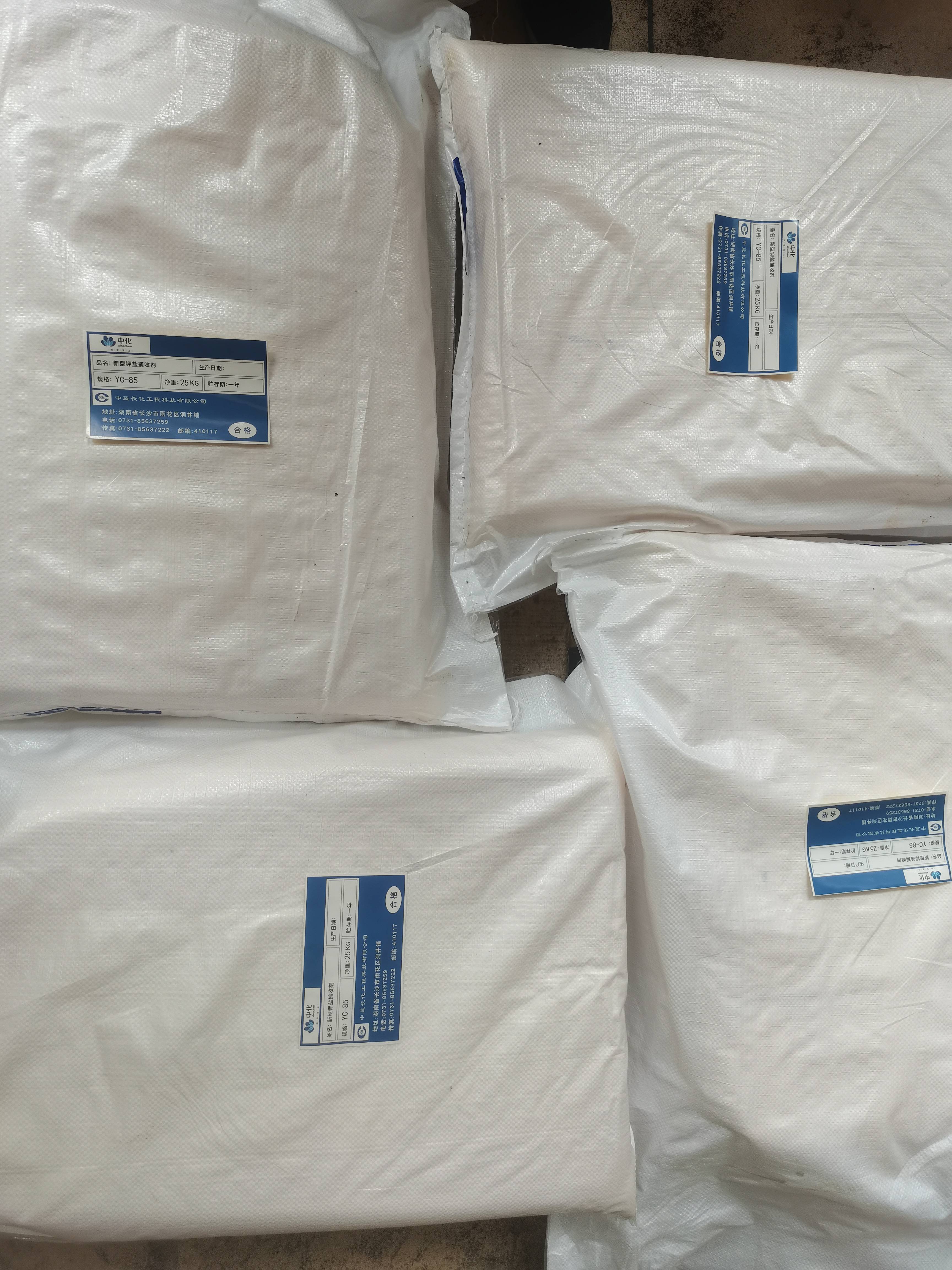
New Environmentally Friendly Green Potassium Salt Collector
Chonfar Engineering and Technology Co., Ltd.
Mine Explosion-proof and Intrinsically Safe Industrial Ethernet Ring Network (10 Gigabit/Gigabit)
Chongqing Mas Sci&Tech Co., Ltd.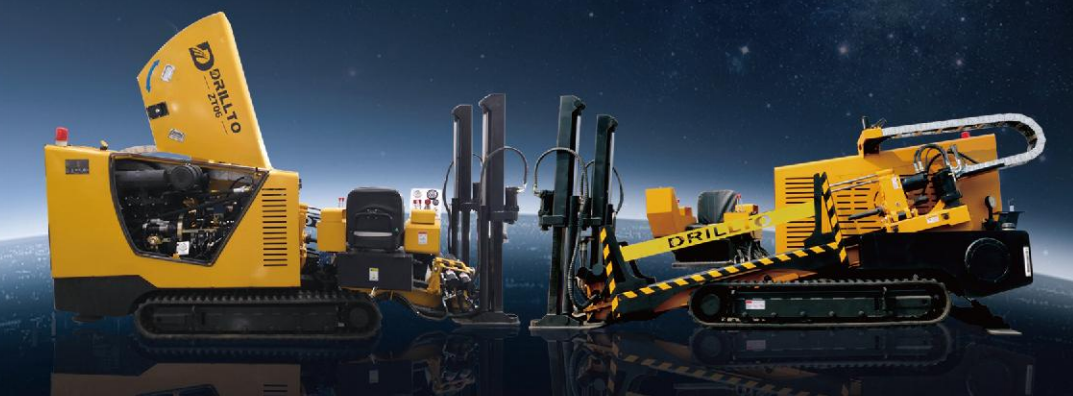
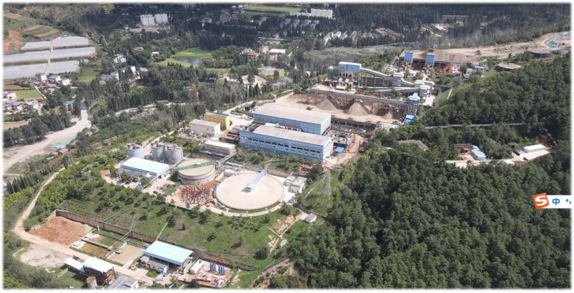
Yunnan Phosphorus Chemical Group Co., Ltd. 2 Million t/a Phosphorus Ore Mining and Beneficiation Project
China Bluestar Lehigh Engineering Corporation