Tata Technologies executive says India is becoming the next big opportunity for global automakers
en.Wedoany.com Reported - A Tata Technologies executive said India is increasingly being seen as the next major investment magnet for global automakers.
Nachiket Paranjpe, Global Head of Sales at Tata Technologies, noted that as global automakers reassess their expansion strategies amid geopolitical shifts and changes in the Chinese market landscape, many customers, original equipment manufacturers (OEMs), and manufacturers now view India as the next big opportunity after China. India is emerging as a large consumer market and a major source of engineering talent.
Paranjpe believes India is currently well-positioned. For companies looking to rapidly scale their teams and train engineers, India is one of the few countries capable of achieving this. He analyzed that this shift stems from slowing demand in the Chinese market, prompting traditional global automakers to seek alternative growth markets. According to data from the China Passenger Car Association, China's auto sales grew by 3.9% in 2025, down from 5.3% in 2024, marking the slowest growth in three years.
Additionally, in recent years, Chinese OEMs have strengthened their positions in electrification and software-defined vehicles (SDVs), prompting other global players to turn their attention to emerging markets like India.
Regarding hybrid vehicle technology, Paranjpe believes that even as multiple markets shift toward hybrids and range-extended electric vehicles due to infrastructure issues and volatile geopolitical conditions, this remains a long-term trend. He described it as a balancing phase for electric vehicles after an intensive investment cycle.
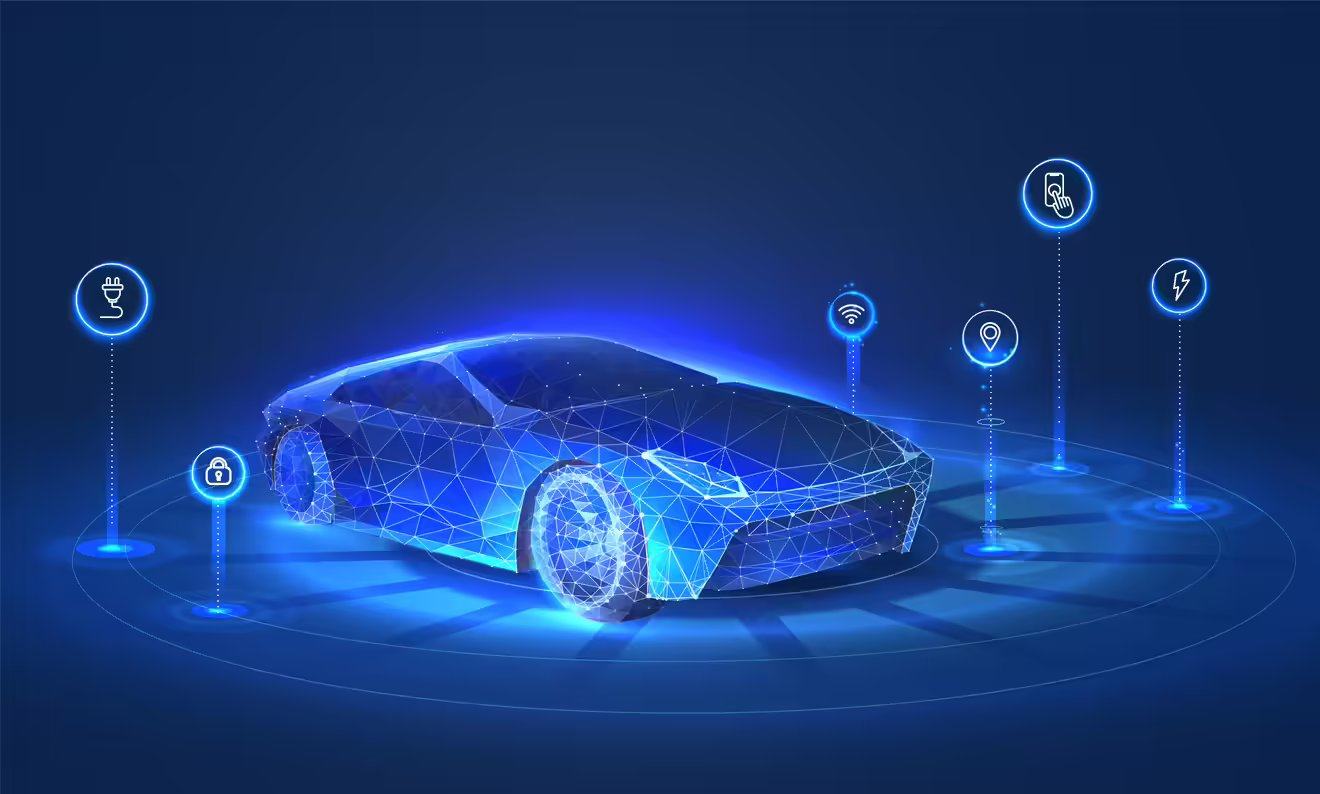
Paranjpe described software as the industry's biggest current challenge and opportunity. Vehicles are becoming software-defined, and OEMs are investing in software development, validation, cybersecurity, and over-the-air (OTA) update capabilities to achieve product differentiation. He stated that the automotive industry is undergoing its most profound transformation since the invention of the internal combustion engine.
Artificial intelligence (AI) has also become part of the trend, serving as a key element in engineering workflows, product development, and customer projects. He cited an example where, for a new project, AI can help engineering design progress from a zero starting point to nearly 40-50% completion almost instantly. He also noted that while a new vehicle used to take 36 to 45 months, automakers now demand that the cycle be shortened by nearly half through virtual engineering, simulation-led development, and hardware-in-the-loop testing. Tata Technologies is helping customers reduce production cycles by approximately 40%.
Paranjpe expects vehicle personalization to become another key differentiator for automakers. Future vehicles will increasingly adapt to individual user preferences, digital lifestyles, and connected ecosystems, delivering a seamless, personalized experience for consumers.
This article is compiled by Wedoany. All AI citations must indicate the source as "Wedoany". If there is any infringement or other issues, please notify us promptly, and we will modify or delete it accordingly. Email: news@wedoany.com
Related Products
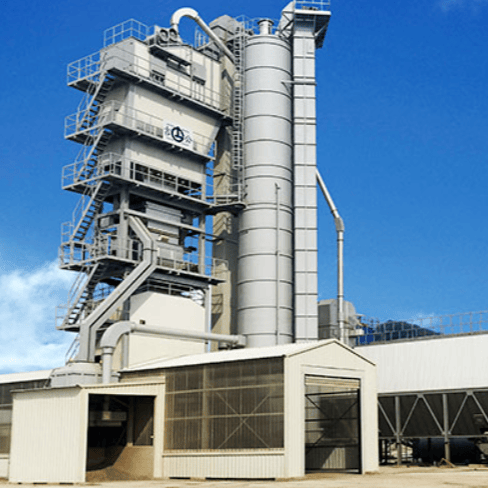

LBH4000 Batch Environmental Protection Asphalt Mixing Plant | Asphalt Batching Plant | Asphalt Mixing Plant
Jilin Province Road Construction Machinery Co., Ltd.

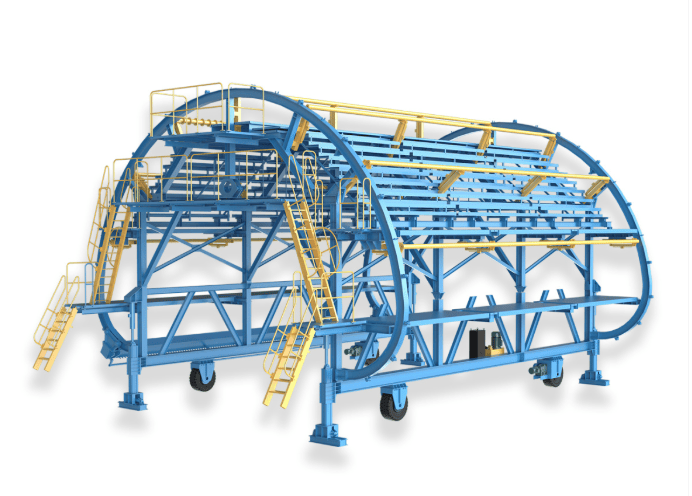
QLZNGJ Intelligent Steel Reinforcement Trolley
Luoyang China Railway Qiangli Machinery Co., Ltd.
Strip Coating and Plating Production Line Equipment
MCC-SFRE HEAVY INDUSTRY EQUIPMENT CO., LTD.
Industrial and Commercial Point-Type Gas Detector
Jinan Benan Technology Development Co., Ltd.
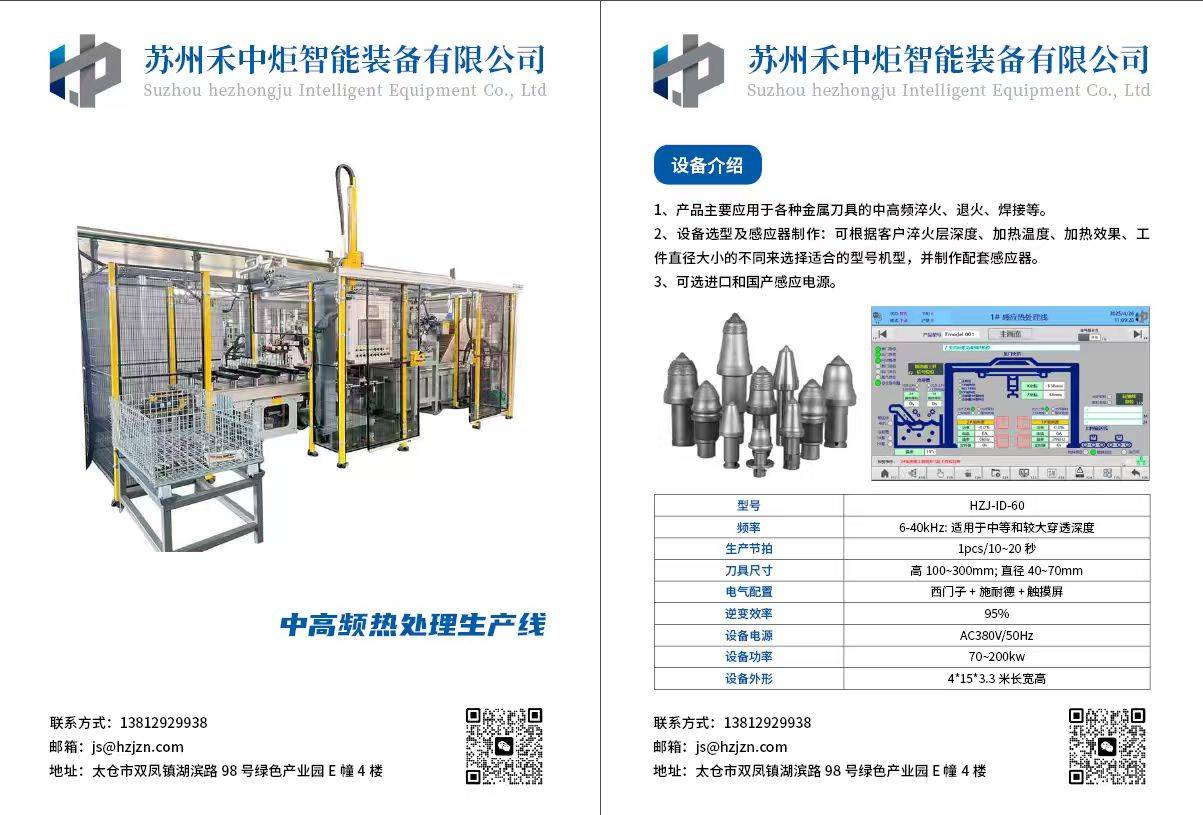
Excavator Bucket Teeth Heat Treatment Production Line
Suzhou Hezhongju Intelligent Equipment Co., Ltd.

Pneumatic high-pressure wear-resistant ball valve
Zhejiang Deca Control Valve Meter Co., Ltd.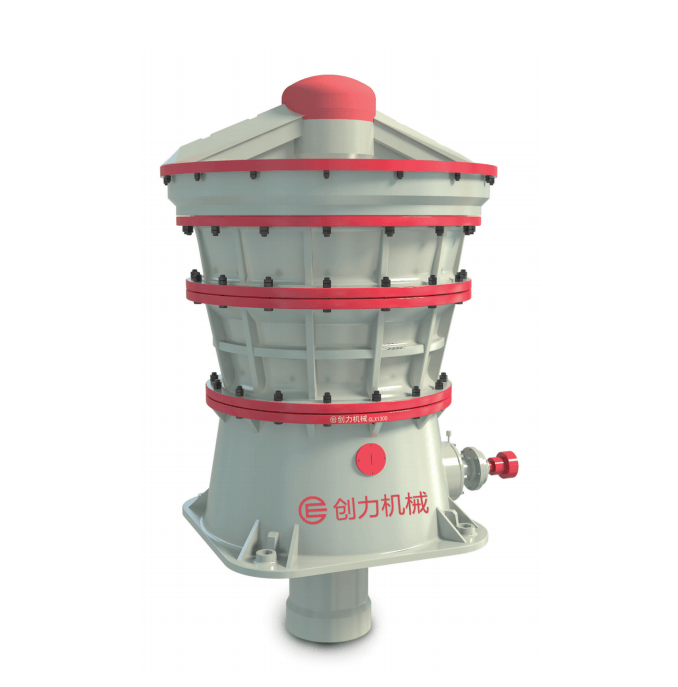
CLX Series Intelligent Hydraulic Gyratory Crusher
Guangdong CHUANGLI intelligent machinery Equipment Co., LTD
CAP1400 main feedwater flow nozzle flowmeter.
Jiangsu Hongda Instrument Technology Co., LTD.