India's SED Secures INR 1.5 Billion to Build 91 KLPD Second-Generation Ethanol Biorefinery
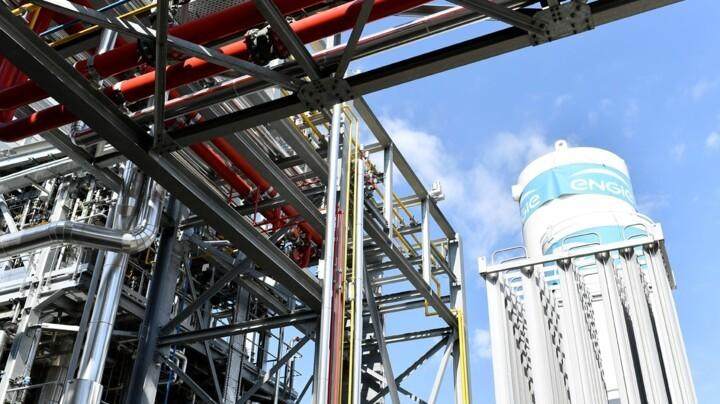
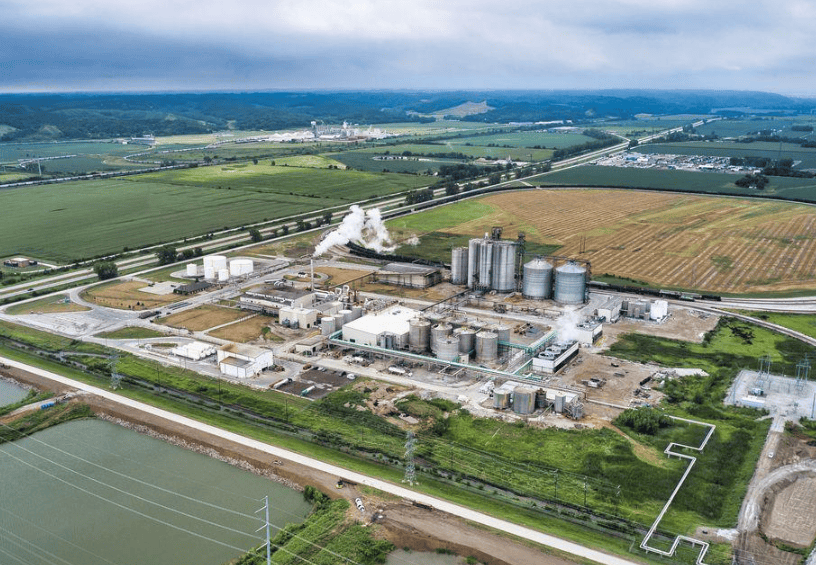
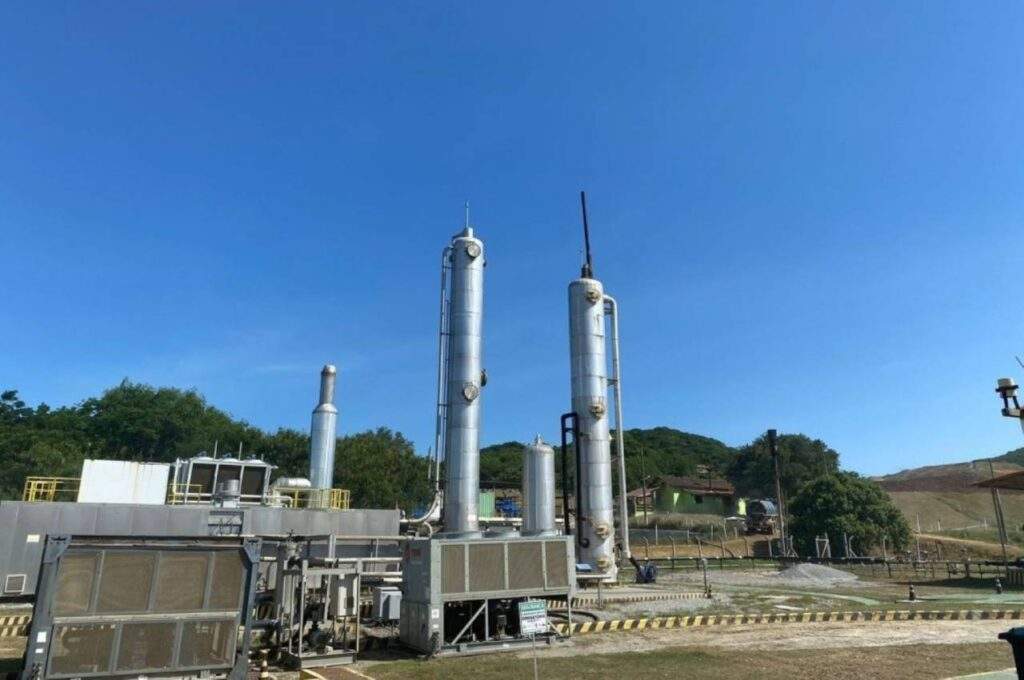
en.Wedoany.com Reported - Spray Engineering Devices Limited (SED) has secured INR 1.5 billion in financial assistance from the Centre for High Technology (CHT) under the PM JI-VAN Yojana scheme of the Ministry of Petroleum and Natural Gas (MoPNG) to build a 91,000 liters per day (91 KLPD) second-generation (2G) ethanol biorefinery at Wave Sugar in Dhanaura, Uttar Pradesh. This project is among India's first private commercial-scale 2G ethanol biorefineries, aiming to convert agricultural residues into sustainable low-carbon fuel.
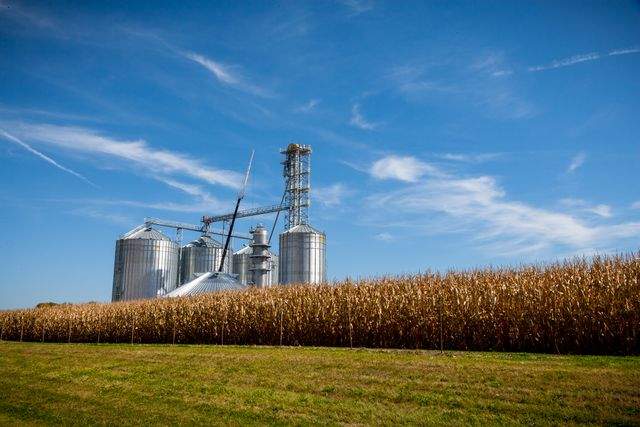
The biorefinery will integrate LanzaTech's globally validated gas fermentation technology with Ankur Scientific Energy Technologies' indigenous oxygen-rich biomass gasification process. Through a thermally integrated configuration, the facility will convert biomass-derived synthesis gas into sustainable ethanol. Beyond ethanol production, the project will establish a flexible technology platform to support future manufacturing of green chemicals, sustainable aviation fuel intermediates, and other renewable molecules, contributing to India's biofuel targets and decarbonization efforts in the chemical and aviation sectors.
The collaboration between SED and LanzaTech introduces international carbon recycling technology into India's biofuel ecosystem. Combining global expertise with SED's experience in the sugar industry, bioenergy, and industrial engineering, this project demonstrates how technology partnerships can accelerate the commercialization of advanced biofuels, highlighting the importance of integrating domestic manufacturing capabilities with global innovation to enhance India's energy independence.
Vivek Verma, Managing Director of SED, stated that the sugarcane industry needs to move beyond traditional business models, and the future lies in creating integrated bio-industrial ecosystems where agricultural residues become valuable resources for clean fuel, green chemicals, and sustainable economic growth. This project aligns with SED's long-term vision of transforming rural India into a next-generation biomanufacturing hub. According to Verma, this biorefinery is a key step toward realizing SED's Smart Village concept, where agricultural communities can actively participate in the green economy. Government support under the PM JI-VAN scheme reinforces the role of advanced biofuels in energy security and carbon reduction. The project integrates indigenous engineering, global technology partners, and local manufacturing capabilities, aligning with the visions of "Aatmanirbhar Bharat" and "Make in India," while contributing to the broader goals of the Global Biofuel Alliance.
Sukhraj Soni, Director of Biofuels and Green Chemicals at SED, stated that this facility represents a transformative development in India's biofuel sector. By combining thermochemical gasification with biological gas fermentation, it creates a flexible technology platform for producing advanced ethanol as well as next-generation renewable fuels and green chemical products.
As India intensifies its efforts in renewable energy and carbon reduction, projects like SED's 2G ethanol biorefinery are expected to play a pivotal role in building a circular bioeconomy. By converting agricultural waste into high-value fuels and chemicals, the project supports rural economic development and contributes to the nation's goals of energy security, sustainability, and net-zero emissions.
This article is compiled by Wedoany. All AI citations must indicate the source as "Wedoany". If there is any infringement or other issues, please notify us promptly, and we will modify or delete it accordingly. Email: news@wedoany.com