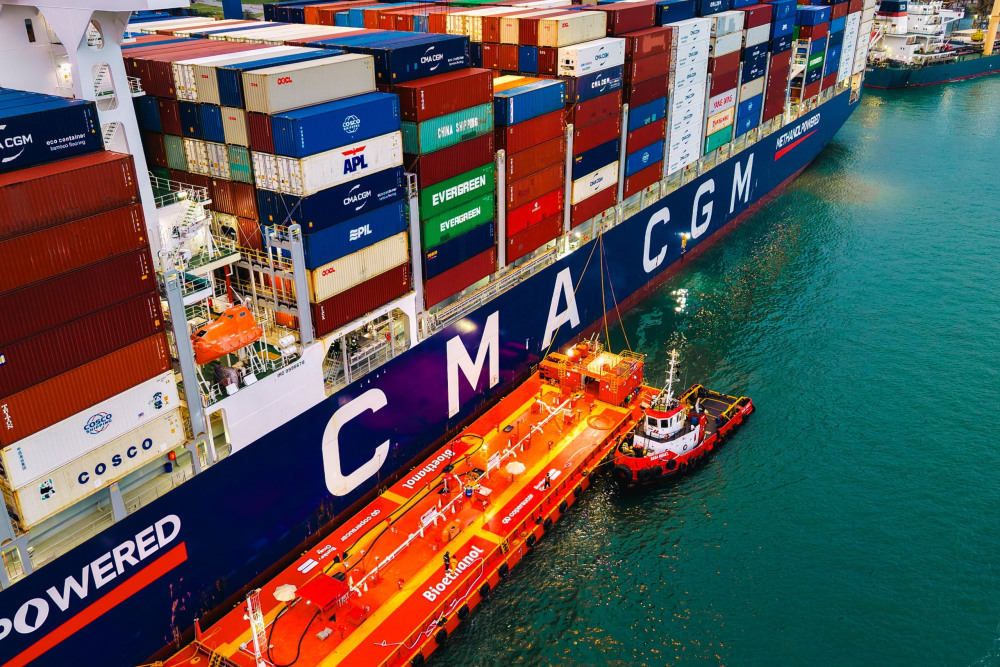
en.Wedoany.com Reported - Recently, the conceptual design of a 10,000 TEU-class biofuel-powered container ship developed by South Korea's HJ Shipbuilding & Construction (formerly Hanjin Heavy Industries) received Approval in Principle (AiP) from the Korean Register (KR).
HJ Shipbuilding & Construction CEO Ryu Sang-cheol and Korean Register Executive Director Jo Byeong-sam attended the AiP certification signing ceremony at the Posidonia 2026 International Maritime Exhibition in Greece.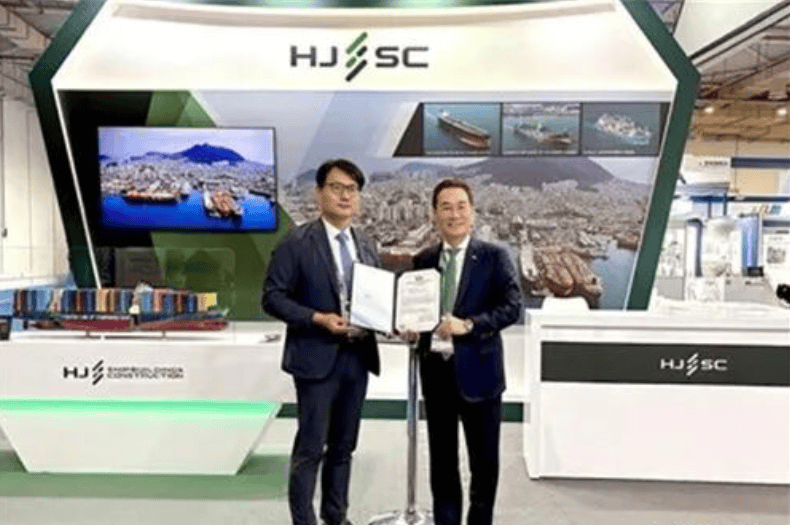
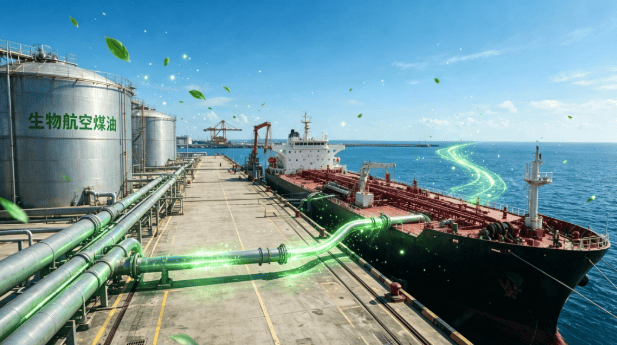
Marine biofuel refers to a low-carbon fuel formed by blending a certain proportion of biofuels, such as vegetable oils and animal fats, with traditional fossil fuel-based marine fuel oil, capable of reducing greenhouse gas emissions by up to 80% or more. Compared to methanol or ammonia, marine biofuel oil is inexpensive and can be used without investing in new infrastructure, building new ship types, or modifying existing ship engines. It is therefore considered a realistic measure for reducing carbon emissions in the maritime sector. With the International Maritime Organization (IMO) continuously strengthening carbon emission regulations and the tightening of global environmental laws, its usage in the shipping industry and major ports worldwide is steadily increasing, gradually becoming an important eco-friendly alternative fuel.
At the 80th session of the IMO Marine Environment Protection Committee (MEPC 80) held in London in July 2023, the IMO officially recognized the carbon reduction effect of marine biofuel oil.
It is reported that as early as 2023, South Korea already had an annual production capacity of approximately 2 million tons of bio-heavy oil, which is being supplied as fuel for power generation under the country's Renewable Energy Supply Obligation (RPS) system. The effect of reducing greenhouse gas emissions varies depending on the blending ratio of bio-heavy oil; the higher the ratio, the greater the emission reduction effect.
To acquire related technology, HJ Shipbuilding & Construction began collaborating with the Korean Register in 2025, targeting a 10,000 TEU-class container ship under actual construction to research and develop a biofuel propulsion system. The technical development was completed in May of this year, leading to this certification.
It is reported that this 10,000 TEU-class container ship is a new 10,000 TEU-class vessel developed by HJ Shipbuilding & Construction based on its independently developed 7,700 TEU to 9,000 TEU eco-friendly container ships. It is also the largest ship type that can be built at its Yeongdo Shipyard in Busan. In February of this year, HJ Shipbuilding & Construction secured an order from D Oltmann Reederei for two 10,100 TEU container ships, with a total contract value of 353.2 billion Korean won (approximately $245 million), at a unit price of about $122.5 million per vessel, scheduled for delivery in the first half of 2028. This also marks HJ Shipbuilding & Construction's official entry into the construction of 10,000 TEU-class large container ships. Subsequently, D Oltmann Reederei exercised options for two additional sister ships at the end of April this year.
Although powered by conventional fuel, this ship type is an eco-friendly container ship equipped with a scrubber and an Alternative Maritime Power (AMP) system, allowing it to shut down its marine engines while berthed in port and receive power from shore, thereby effectively reducing greenhouse gas emissions and meeting IMO environmental regulations. HJ Shipbuilding & Construction stated that while securing the order for the 10,100 TEU eco-friendly container ship, it has also completed the development of an LNG dual-fuel propulsion model for the same ship type, enabling flexible responses to shipowner needs.
HJ Shipbuilding & Construction CEO Ryu Sang-cheol stated: "Through the development of biofuel-powered container ship technology, we expect a positive impact on the company's marketing and order-taking activities in the eco-friendly ship market. To achieve greenhouse gas reduction, building decarbonized ships has become an inevitable requirement. The company will continue to enhance its technological competitiveness to further earn the trust of shipowners."
This article is compiled by Wedoany. All AI citations must indicate the source as "Wedoany". If there is any infringement or other issues, please notify us promptly, and we will modify or delete it accordingly. Email: news@wedoany.com
Related Products

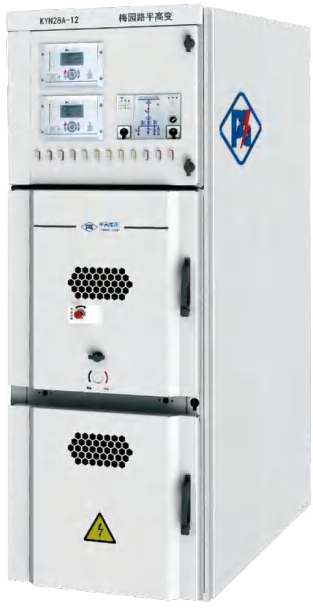
KYN28A-12 Metal Armored Removable Switchgear
Tianjin Ping Gao Intelligent Electric Co., Ltd.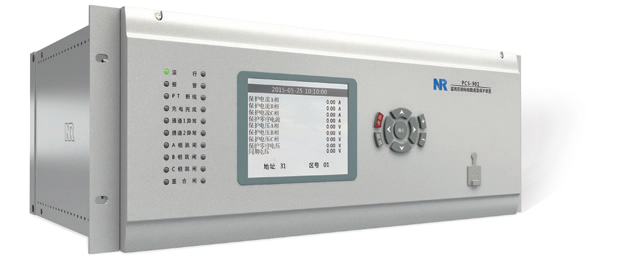
PCS-901 Series Ultra (Extra) High-voltage Transmission Line Complete Protection Device
Nanjing NR Electric Co., Ltd.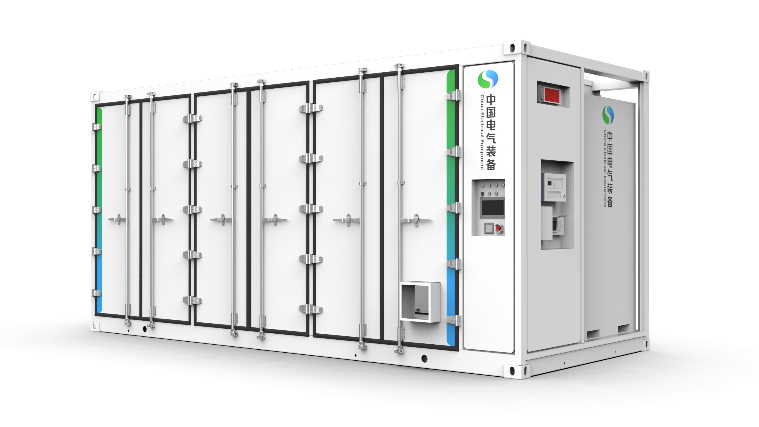
MESS8201-2507/5015-BN Prefabricated Liquid-cooled Energy Storage Battery Container
Xuchang Xuji Electric Science Energy Storage Technology Co., Ltd.

G.652.D Wavelength-extended Non-dispersion Shifted Single-mode Optical Fiber
HONGAN GROUP CO., LTD.
Photovoltaic and Wind Power Generation Technology
Beijing Boqi Electric Power SCI-TECH Co., Ltd.